

Nauru
Images
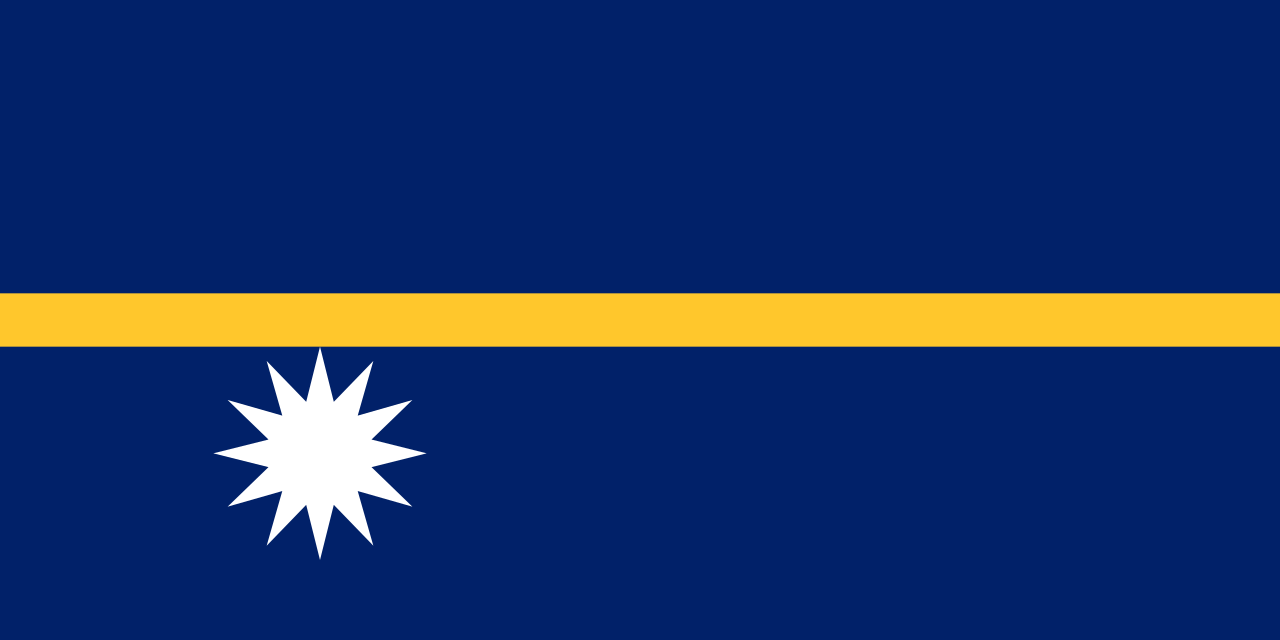
Nauru
Opens Google Maps in new tab
Geopolitical Isolation and Microstate Realities
Nauru occupies a unique position as the world's smallest republic and island nation, situated in the vast expanse of the South Pacific Ocean. Its geographical isolation, with the nearest neighbor over 300 kilometers away, presents distinct challenges and opportunities for its governance and development. With a population of approximately 10,800, Nauru is the third-smallest sovereign state globally by population.
This small scale influences its political dynamics, economic viability, and international relations. As a member of the United Nations and the Commonwealth of Nations, Nauru actively participates in global forums, yet its microstate status often means its voice is proportionally smaller on the world stage. The country's limited land area and resources necessitate careful planning and international cooperation for its continued prosperity and environmental preservation.
A Century of Exploitation and Environmental Scars
The history of Nauru is inextricably linked to its rich deposits of phosphate rock. Settled by Micronesians around 1000 BC, the island's modern history began with its annexation by the German Empire in the late 19th century. Post-World War I, it transitioned to a League of Nations mandate, administered by Australia, New Zealand, and the UK.
During World War II, it endured Japanese occupation. The post-war era saw it become a United Nations trust territory before gaining full independence in 1968. The primary economic driver for much of this period was the extraction of phosphate, a process that yielded immense wealth but at a devastating environmental cost.
The intensive strip mining operations have left over 80% of the island's interior severely degraded and uninhabitable, a stark illustration of the 'resource curse' phenomenon. The exhaustion of economically viable phosphate reserves in the 1990s marked a critical turning point, forcing Nauru to confront the long-term consequences of its resource-dependent past.
Economic Diversification and the Search for Sustainability
The depletion of its phosphate reserves plunged Nauru into a severe economic crisis. In the years following, the nation explored various avenues for revenue generation, including periods as a tax haven and a center for illegal money laundering. More recently, Nauru has accepted significant financial aid from Australia in exchange for hosting the Nauru Regional Processing Centre, an offshore immigration detention facility.
This arrangement, while providing crucial income, has also drawn international criticism and highlights Nauru's complex geopolitical dependencies. The country's economic future hinges on successful diversification strategies, sustainable development initiatives, and careful management of its remaining resources and international partnerships. Rebuilding its environment and fostering new industries are paramount to ensuring long-term economic stability and national well-being.
Cultural Resilience and Educational Imperatives
Despite the environmental and economic challenges, the Nauruan people maintain a strong cultural identity rooted in their Micronesian heritage. The Nauruan language remains central to their cultural expression, complemented by the widespread use of English, particularly in education and government. The education system in Nauru aims to equip its citizens with the skills needed to navigate the complexities of the modern world and contribute to the nation's development.
Primary and secondary education are compulsory. However, higher education often requires students to study abroad, presenting financial and logistical hurdles. The nation's ability to foster a well-educated populace is crucial for its capacity to innovate, adapt to environmental changes, and pursue sustainable economic growth.
The cultural resilience of Nauruans, combined with a commitment to education, forms the bedrock for their future aspirations.
Go deeper
Based on content from Wikipedia · Licensed under CC BY-SA 4.0