

South Lake Tahoe, California
Images

Sunset, South Lake Tahoe, California




Geomorphic Setting and Climatic Influences
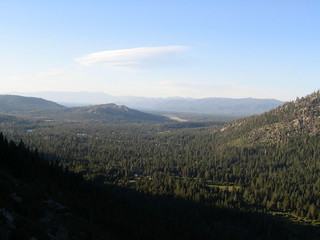
South Lake Tahoe is strategically situated in the Sierra Nevada mountain range, a geologically active and visually striking region. Its location on the southern edge of Lake Tahoe, a massive caldera lake formed by tectonic activity and glacial erosion, dictates much of its character. The lake itself is a significant climatic moderator, influencing local weather patterns.
The city's elevation, averaging around 6,200 feet, contributes to a distinct alpine climate characterized by cold, snowy winters and mild, dry summers. This climate is ideal for winter sports, drawing significant seasonal tourism, but also necessitates robust infrastructure for snow removal and winter preparedness. The surrounding landscape, dominated by coniferous forests, is susceptible to wildfires, a recurring environmental challenge that shapes land management and community planning.
The city's development is intrinsically linked to its topography, with U.S. Route 50 serving as a primary artery through the mountainous terrain.
Historical Development and Economic Drivers
The evolution of South Lake Tahoe from a sparsely populated area to a significant tourist destination is a story of strategic development and resource utilization. Historically, the region was inhabited by Native American tribes for thousands of years. European American settlement increased in the 19th century, driven by logging and mining.
However, it was the mid-20th century that saw a boom in tourism, fueled by the development of ski resorts and improved transportation access. Today, the economy is overwhelmingly reliant on tourism and recreation. Heavenly Mountain Resort, straddling the California-Nevada border, is a major economic anchor, complemented by numerous hotels, casinos (in adjacent Stateline, Nevada), restaurants, and retail establishments.
This heavy dependence on tourism makes the local economy vulnerable to economic downturns and shifts in travel trends, but also fosters a vibrant service sector and a unique blend of local residents and transient visitors. The city's layout reflects this economic focus, with the eastern end dedicated to commercial and entertainment activities, while the western end is more residential.
Community Fabric and Governance
South Lake Tahoe is the most populous incorporated city in El Dorado County, California, with a resident population of just over 21,000 people. The community is a mix of long-term residents, seasonal workers, and second-home owners, creating a dynamic social environment. The city's governance operates under a council-manager system, with an elected city council setting policy and a city manager overseeing daily operations.
Key governmental functions include public safety, infrastructure maintenance, and land use planning. The proximity to the Nevada state line and the town of Stateline introduces unique cross-border considerations, particularly regarding economic development and regulation, as Nevada's gambling laws differ significantly from California's. Community life is deeply intertwined with the natural environment, with local organizations often focused on environmental conservation, trail maintenance, and promoting sustainable tourism practices.
Educational institutions serve the resident population, providing K-12 schooling and opportunities for higher education through local colleges or nearby universities.
Socio-Economic Landscape and Future Considerations
The socio-economic profile of South Lake Tahoe is shaped by its dual identity as a residential community and a major tourist hub. While the tourism industry provides significant employment opportunities, it also contributes to a higher cost of living and seasonal employment fluctuations. Many residents work in service-oriented roles, which can be lower-paying compared to other industries.
The city faces ongoing challenges related to affordable housing, traffic congestion, and environmental sustainability. Efforts are continually made to balance economic growth with the preservation of Lake Tahoe's pristine ecosystem. Future development strategies often focus on diversifying the economy beyond traditional tourism, enhancing year-round attractions, and investing in infrastructure to support both residents and visitors.
The city's unique geographical position and its reliance on natural resources present both opportunities and significant responsibilities for its long-term viability and the well-being of its community.
See also
Frequently Asked Questions
What is South Lake Tahoe and why is it special?+
Why does South Lake Tahoe attract so many tourists?+
How does the weather in South Lake Tahoe change with the seasons?+
What role does the lake play in South Lake Tahoe's climate?+
Why are wildfires a concern in South Lake Tahoe?+
Based on content from Wikipedia · Licensed under CC BY-SA 4.0