

Sherpa
Images

Bultaco Sherpa T




Origins and Cultural Identity
The Sherpa people are an ethnic group indigenous to the mountainous regions of Nepal, with their historical homeland centered in the Solukhumbu district. The term 'Sherpa' translates to 'Eastern people,' indicating their migration from eastern Tibet centuries ago. Their culture is deeply intertwined with Tibetan Buddhism, evident in their monasteries, prayer flags, and spiritual reverence for the towering peaks they inhabit.
Traditional Sherpa society was organized around agriculture, yak herding, and long-distance trade routes connecting Nepal with Tibet. This historical context fostered a strong sense of community, resilience, and an intimate knowledge of their challenging environment. Their unique language, Sherpa, is closely related to Tibetan dialects, further underscoring their cultural lineage.
The Sherpa identity is a testament to human adaptation and the preservation of cultural practices in remote, high-altitude settings.
Physiological Adaptations for Extreme Altitudes
Sherpas possess extraordinary physiological adaptations that allow them to thrive at altitudes where most humans struggle to survive. Decades of living at elevations exceeding 10,000 feet have led to genetic adaptations that enhance oxygen utilization. Studies have revealed that Sherpas often have a higher resting metabolic rate, increased lung capacity, and a greater number of red blood cells, which are crucial for oxygen transport.
Furthermore, their bodies are more efficient at delivering oxygen to tissues and can tolerate lower oxygen levels without experiencing the severe effects of altitude sickness that plague lowlanders. This remarkable biological advantage makes them uniquely suited for the demands of high-altitude mountaineering, enabling them to perform strenuous physical activities with a lower risk of hypoxia and its debilitating consequences.
The Indispensable Role in Himalayan Mountaineering
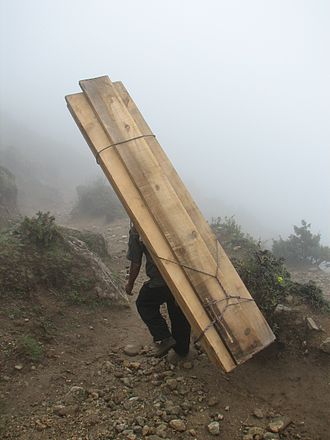
The Sherpa people are globally recognized as the premier high-altitude guides and porters in the Himalayas. Their expertise is not merely about physical strength; it encompasses an unparalleled understanding of mountain weather patterns, avalanche risks, glacier navigation, and route-finding. For decades, expeditions to peaks like Mount Everest have relied heavily on Sherpa support for establishing base camps, fixing ropes, carrying essential gear, and ensuring climber safety.
Many Sherpas have achieved legendary status, accumulating dozens of summits of Everest and other eight-thousanders. Their role has evolved from traditional porters to highly skilled expedition leaders, often taking on significant responsibilities for the success and safety of international climbing teams. Their contributions are fundamental to the very possibility of modern high-altitude mountaineering.
Challenges and Evolving Dynamics
Despite their crucial role, Sherpas often face significant risks and challenges. Mountaineering is an inherently dangerous profession, and Sherpas bear a disproportionate share of the risks, including avalanches, crevasses, and extreme weather. Historically, their contributions were often under-recognized and under-compensated compared to their Western counterparts.
In recent years, there has been a growing awareness and advocacy for improved working conditions, safety protocols, and fair wages for Sherpa guides. The Sherpa community is also adapting to the increasing commercialization of mountaineering, balancing the economic benefits with the preservation of their culture and the environment. Their ongoing story reflects the complex interplay between tradition, globalization, and the pursuit of extreme adventure.
Beyond the Summit
The Sherpa narrative extends far beyond the realm of mountaineering. Their cultural heritage, deeply rooted in Tibetan Buddhism and their unique mountain lifestyle, continues to be a source of identity and strength. As tourism and climbing bring more external influences, efforts are underway to preserve their language, traditions, and environmental stewardship.
The Sherpa community serves as a powerful example of human resilience, cultural adaptation, and the profound connection between people and their environment. Their story highlights the importance of understanding and respecting indigenous knowledge and the vital role that local communities play in managing and interacting with fragile ecosystems like the Himalayas.
Go deeper
Frequently Asked Questions
What does the word "Sherpa" mean?+
How do Sherpas stay healthy at very high mountains?+
Why are Sherpas important for climbing Mount Everest?+
What kind of work do Sherpas do in the mountains?+
Are Sherpas treated fairly for their hard work?+
Based on content from Wikipedia · Licensed under CC BY-SA 4.0