

The Second Industrial Revolution: When the World Got Supercharged!
Images
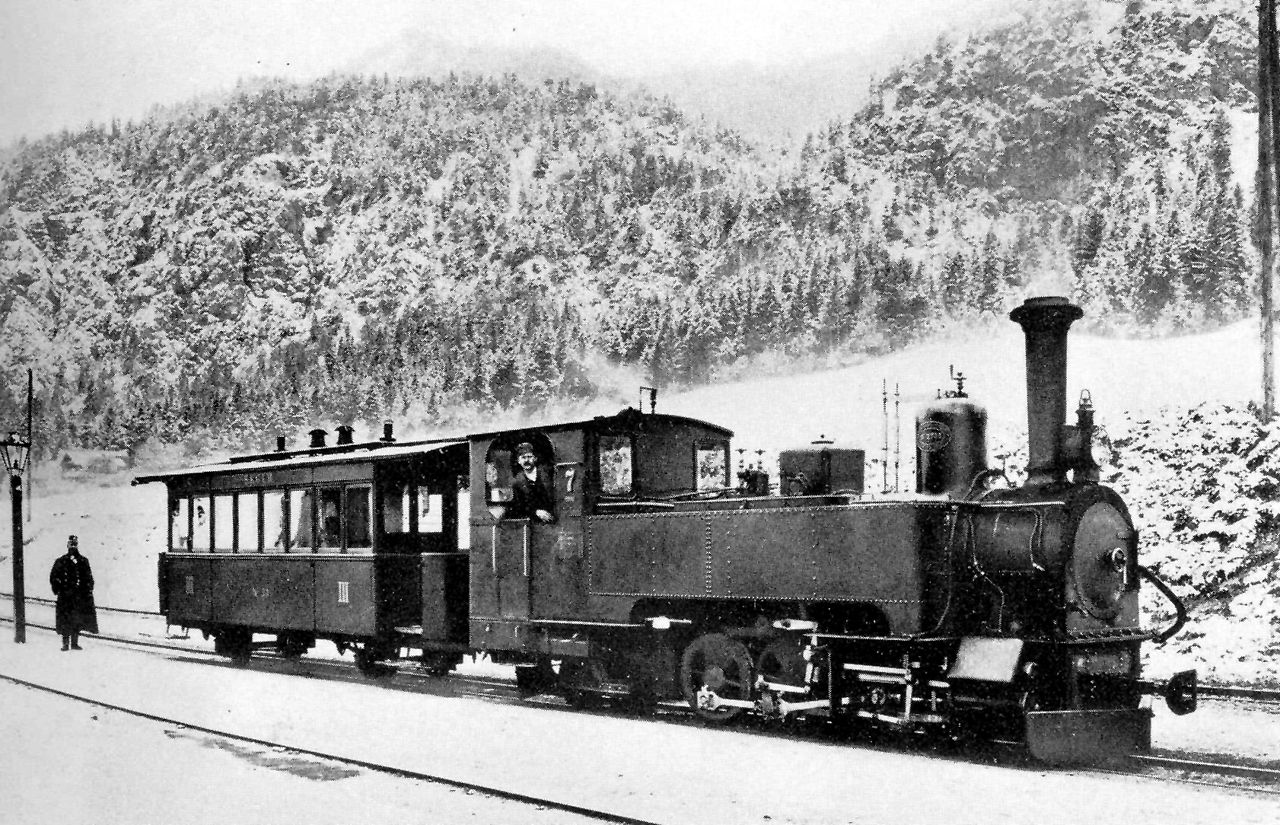
Second Industrial Revolution
The Great Acceleration
The period between approximately 1870 and 1914, often termed the Second Industrial Revolution or the Technological Revolution, marked a dramatic acceleration in industrial and technological progress. Building upon the mechanization of the First Industrial Revolution, this era was characterized by the widespread adoption of new energy sources, particularly electricity, and revolutionary advancements in materials science and manufacturing processes. Nations like Germany and the United States rapidly surpassed Great Britain in key industrial sectors, driven by innovation and a more dynamic approach to scientific application.
This period witnessed a fundamental reordering of global economic power and laid the essential infrastructure for the 20th century's technological landscape, fundamentally altering human society's trajectory.
Harnessing the Invisible Force
The advent of practical electricity generation and distribution was arguably the most significant development of this era. Thomas Edison's development of a viable direct current (DC) system and later Nikola Tesla's alternating current (AC) system, championed by George Westinghouse, allowed electricity to be transmitted over much greater distances. This enabled the electrification of factories, leading to more flexible plant layouts and extended operating hours, thereby boosting productivity.
In urban areas, electric lighting replaced gas lamps, dramatically improving safety and extending the usable hours of the day, fostering vibrant nightlife and commercial activity. Furthermore, electricity powered a host of new domestic appliances and industrial machinery, from electric motors to early forms of automation, profoundly changing daily life and labor.
The Age of Steel and Chemical Synthesis
The Bessemer process and later the Siemens-Martin process revolutionized steel production, making it cheaper, faster, and more efficient to produce high-quality steel. This strong, versatile material became the backbone of modern infrastructure, enabling the construction of unprecedentedly tall skyscrapers, vast railway networks, and massive bridges that spanned previously impassable waterways. Concurrently, the chemical industry experienced a golden age.
Breakthroughs in organic chemistry led to the synthesis of new dyes, pharmaceuticals, explosives, and fertilizers. This industrial chemistry not only transformed manufacturing but also had profound impacts on agriculture, medicine, and military capabilities, demonstrating the growing synergy between scientific research and industrial output.
Shrinking the Globe
The Second Industrial Revolution dramatically reduced the perceived distances between people and places. The invention of the telephone by Alexander Graham Bell and its subsequent widespread adoption revolutionized long-distance communication, enabling near-instantaneous voice transmission. Guglielmo Marconi's pioneering work in wireless telegraphy further advanced communication capabilities, laying the groundwork for radio.
In transportation, the development of the internal combustion engine by inventors like Nikolaus Otto and Karl Benz led to the creation of the automobile, which, though initially a novelty, would eventually redefine personal mobility and urban planning. Simultaneously, advancements in steam engine efficiency and shipbuilding led to larger, faster steamships and more extensive railway networks, facilitating global trade and migration on an unprecedented scale.
Enduring Legacies and Societal Repercussions
The Second Industrial Revolution was not merely a technological phenomenon; it was a profound societal transformation. It fueled massive urbanization as populations migrated to industrial centers for work, leading to new social structures, challenges, and the rise of labor movements. The concept of mass production, epitomized by Henry Ford's assembly line (though perfected slightly later, its roots are here), reshaped manufacturing and consumerism.
The era also saw the consolidation of corporate power and the rise of large industrial trusts. The innovations and economic shifts of this period directly contributed to the geopolitical landscape leading up to World War I and established the technological paradigms that continue to influence our world today, from global supply chains to the digital revolution's precursors.
Go deeper
Frequently Asked Questions
What was the Second Industrial Revolution and when did it happen?+
How did electricity change factories and cities during this time?+
Why was steel so important in the Second Industrial Revolution?+
What new ways of talking to people were invented during this era?+
How did cars start to appear during the Second Industrial Revolution?+
Based on content from Wikipedia · Licensed under CC BY-SA 4.0