

Steel
Images
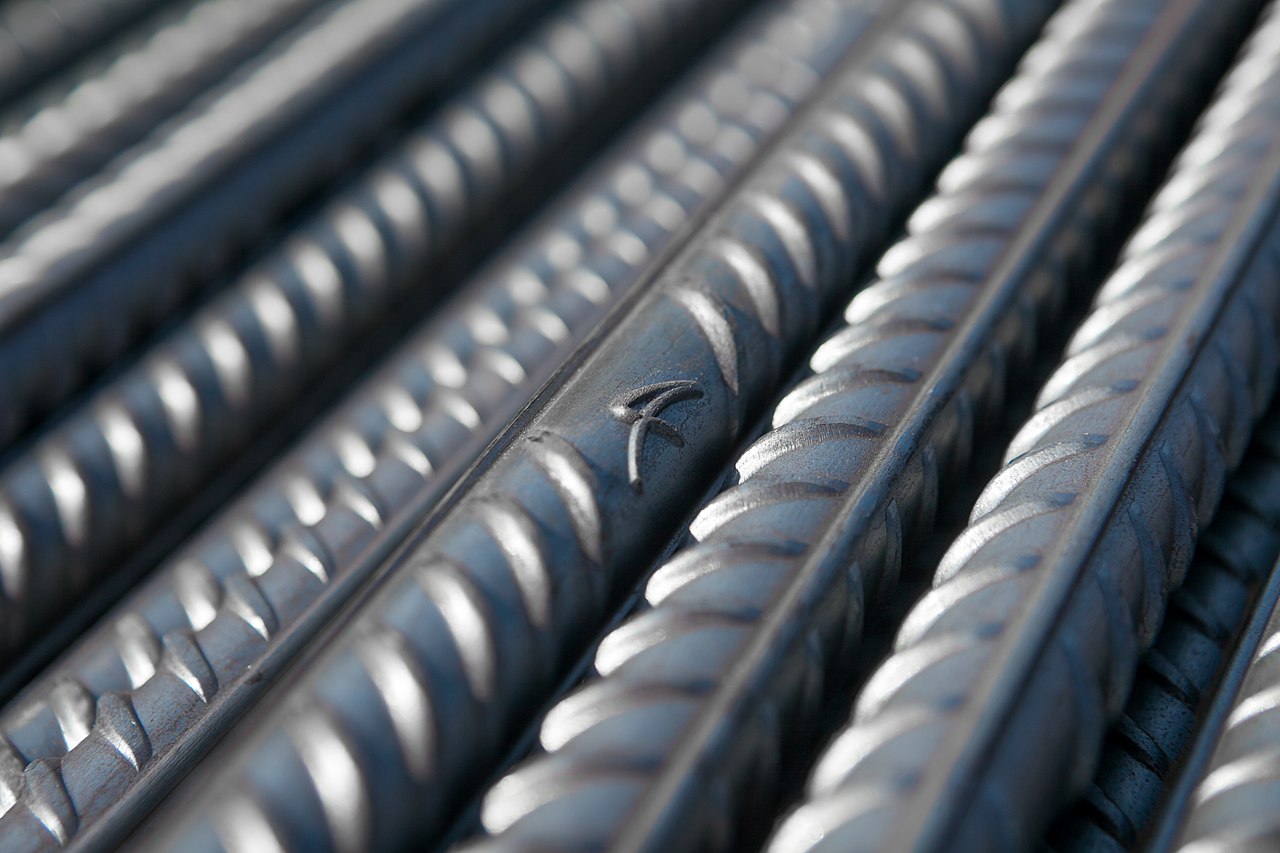
Steel


The Metallurgy of Strength
Steel is fundamentally an alloy of iron, distinguished by its carbon content, typically ranging from 0.2% to 2.1% by weight. This seemingly small addition of carbon dramatically enhances the mechanical properties of iron, primarily by inhibiting the movement of dislocations within the iron crystal lattice. Pure iron is relatively soft and ductile, but the interstitial carbon atoms create strain in the iron lattice, making it much harder for planes of atoms to slide past each other under stress.
This results in significantly increased yield strength, tensile strength, and hardness compared to pure iron. The specific properties of steel can be further tailored by introducing other alloying elements, such as chromium, nickel, molybdenum, and vanadium, to create specialized grades like stainless steels (known for corrosion resistance due to chromium content) or high-strength low-alloy (HSLA) steels. The crystalline structure of steel also plays a critical role; under normal atmospheric conditions, it typically exists in body-centered cubic (BCC) or face-centered cubic (FCC) forms, but heat treatments can create phases like martensite (tetragonal) or cementite (orthorhombic), which impart extreme hardness, often at the expense of ductility.
A Chronicle of Innovation
The journey of steel production spans millennia, beginning with rudimentary bloomery furnaces that produced relatively low-carbon, inconsistent iron-carbon alloys. The true industrial era of steel dawned with advancements in smelting technology. The development of the blast furnace in the 17th century enabled larger-scale production of pig iron, which could then be refined into steel.
However, it was the invention of the Bessemer process in the mid-19th century that truly revolutionized steelmaking. This process allowed for the rapid and cost-effective conversion of molten pig iron into steel by blowing air through it to burn off impurities like carbon and silicon. This breakthrough ushered in an era of mass-produced steel, making it affordable and abundant, which in turn fueled the Industrial Revolution.
Subsequent innovations like the open-hearth furnace and modern basic oxygen steelmaking (BOS) have further refined production efficiency and quality, leading to the massive global output seen today.
The Indispensable Backbone
Steel's significance transcends its material properties; it is a cornerstone of modern civilization. Its unparalleled combination of strength, durability, and cost-effectiveness has enabled unprecedented feats of engineering and infrastructure development. From the towering skyscrapers that define urban landscapes to the intricate networks of bridges and railways that connect continents, steel provides the structural integrity essential for progress.
It is fundamental to transportation, forming the chassis of vehicles, the hulls of ships, and the frames of aircraft. Beyond large-scale construction, steel is vital for manufacturing machinery, tools, and countless consumer goods. The global steel industry is a massive economic driver, employing millions and underpinning numerous other sectors.
Its widespread availability and versatility have profoundly shaped how we live, work, and travel.
Engineering Performance and Sustainable Futures
The modern steel industry meticulously engineers specific grades of steel to meet diverse performance requirements. This involves precise control over chemical composition and microstructural development through advanced manufacturing processes. For instance, the addition of chromium in stainless steels creates a passive oxide layer that provides exceptional resistance to corrosion, making it ideal for harsh environments and sanitary applications.
Conversely, steels designed for structural applications prioritize high tensile and yield strengths to withstand immense loads. Looking towards the future, the steel industry faces the dual challenge of meeting growing global demand while mitigating its significant environmental footprint. Steel production is energy-intensive and a major contributor to greenhouse gas emissions.
However, steel is also one of the world's most recycled materials, with over 60% of global production coming from recycled scrap. Continued investment in green steel technologies, such as hydrogen-based direct reduction and carbon capture, is crucial for decarbonizing this vital industry and ensuring its sustainable future.
Go deeper
Frequently Asked Questions
What is steel made of?+
Why is steel stronger than iron?+
How did people learn to make lots of steel?+
Where do we use steel in everyday life?+
Are there special kinds of steel that resist rust?+
Based on content from Wikipedia · Licensed under CC BY-SA 4.0