

Saxony
Images
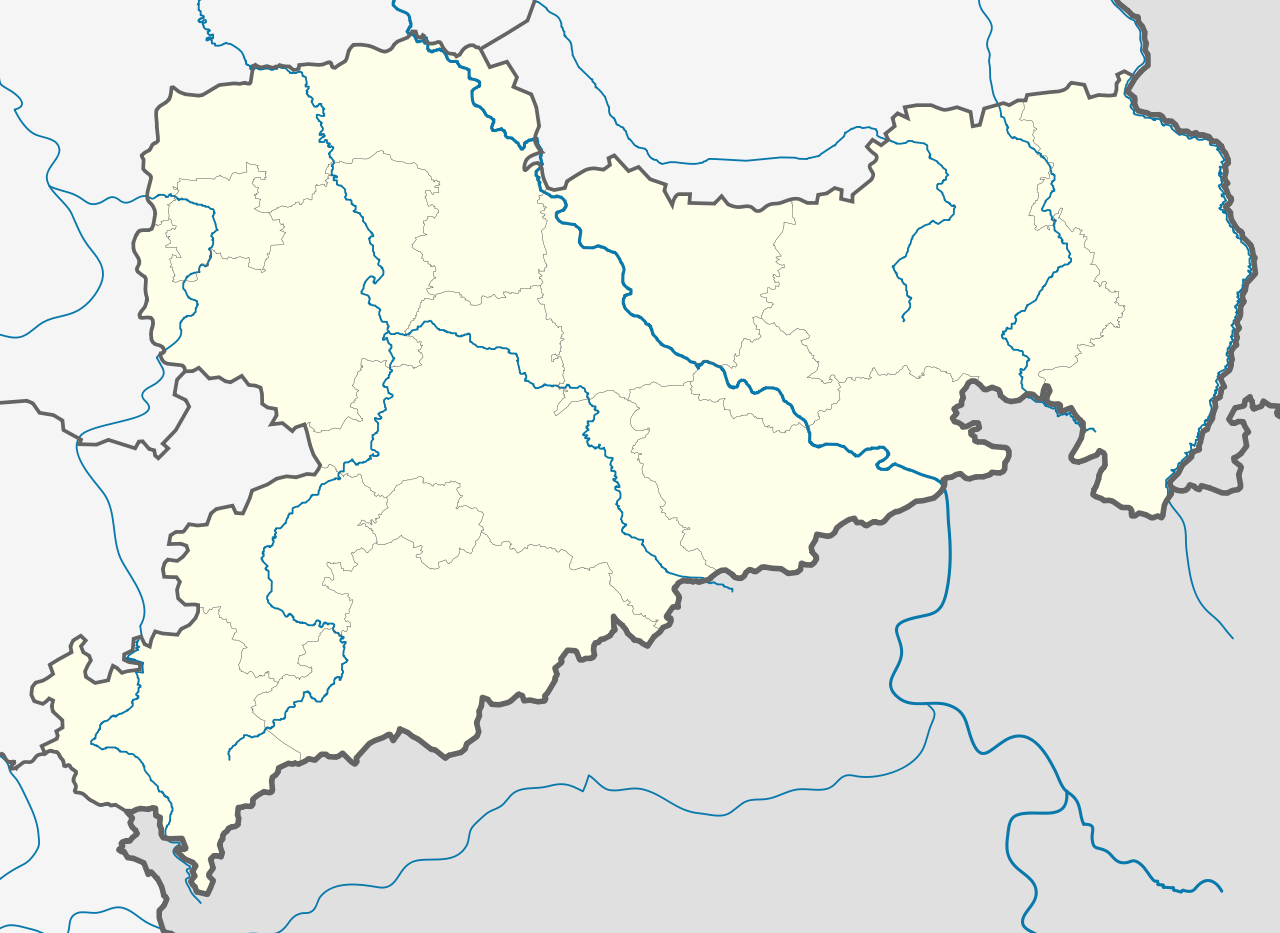
Saxony location map

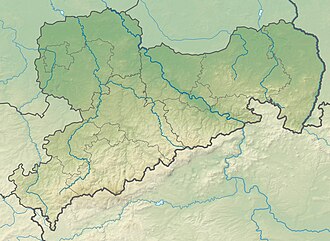


Saxony's Geographic Footprint and Environmental Character
Saxony, officially the Free State of Saxony, occupies a significant position in eastern Germany. Its landlocked status means it relies on overland trade routes and river transport, with the Elbe River being a crucial artery. It shares extensive borders with Poland to the east and the Czech Republic to the south, making it a key interface for Central European interactions.
Internally, it is bordered by Brandenburg, Saxony-Anhalt, Thuringia, and Bavaria. The state's capital, Dresden, is renowned for its Baroque architecture and cultural institutions, while Leipzig stands as its largest city and a major economic and transport hub. Covering 18,413 square kilometers, Saxony ranks as the tenth-largest German state by area.
Its population of over 4 million makes it the seventh most populous, indicating a relatively high population density. The landscape is varied, featuring the Ore Mountains in the south, the Central Saxon hill country, and the North German Plain in the north, supporting diverse ecosystems and agricultural practices. The climate is temperate, with distinct seasons influencing everything from tourism to agriculture.
Saxony's Political Odyssey
The historical narrative of Saxony is exceptionally long and complex, with the name itself dating back over a millennium. It originated as the medieval Duchy of Saxony, a powerful entity in the Holy Roman Empire. Later, it evolved into the Electorate of Saxony, where the Elector held significant influence, including the right to elect the Holy Roman Emperor.
This period cemented Saxony's importance in German history. It transitioned into the Kingdom of Saxony, maintaining its sovereignty until the end of World War I. The establishment of the first Free State of Saxony in 1918 marked its integration into the Weimar Republic.
Post-World War II, Saxony experienced Soviet occupation and became part of communist East Germany, during which its administrative structure was dissolved in 1952. The reunification of Germany in 1990 saw the reconstitution of the Free State of Saxony, albeit with enlarged borders, re-establishing it as one of the five new federal states of the reunified Federal Republic of Germany. This continuous evolution highlights Saxony's resilience and adaptability through profound political shifts.
The Enduring Presence of the Sorbs
Saxony is distinguished by the presence of the Sorbs, a West Slavic ethnic minority indigenous to the Lusatia region, which straddles Saxony and Brandenburg. Numbering around 80,000 people, the Sorbs maintain a vibrant cultural identity, complete with their own language (Sorbian, with Upper and Lower dialects), traditions, and educational institutions. Their history in the region predates the formation of the modern German state, and their cultural survival is a testament to their resilience.
The Sorbian language is officially recognized and protected, and efforts are made to preserve their heritage through schools, cultural centers, and media. This unique linguistic and cultural duality enriches Saxony, offering a fascinating case study in minority rights and cultural preservation within a larger national context. It represents a living connection to a history and heritage distinct from the dominant German culture.
Saxony's Economic Engine
The economic landscape of Saxony is characterized by a strong industrial tradition coupled with a forward-looking approach to innovation. Historically, it was a powerhouse of German industry, particularly in manufacturing sectors like textiles, engineering, and optics. Today, these sectors have evolved, with Saxony being a leader in automotive manufacturing, mechanical engineering, and advanced materials.
The state has strategically invested in research and development, fostering a network of universities, research institutes, and technology parks. This focus on innovation has led to growth in high-tech fields such as microelectronics, biotechnology, and information technology. Leipzig, in particular, is a dynamic economic center, attracting significant investment. The region's economic strategy emphasizes skilled labor, technological advancement, and international trade, positioning Saxony as a competitive player in the global economy and a key contributor to Germany's overall industrial strength.
Governance and Education
As a federal state (Land) of Germany, Saxony operates under a parliamentary democratic system. Its government is led by a Minister-President and a cabinet, responsible for implementing state laws and policies. The state parliament, the Sächsischer Landtag, is elected by the people and is responsible for legislation within Saxony's jurisdiction.
Key policy areas include education, culture, and internal security. Education is a high priority, with a well-established system from early childhood education through to higher learning. Saxony boasts several renowned universities, including the Technical University of Dresden and the University of Leipzig, which are centers of research and academic excellence.
The state also places importance on vocational training, ensuring a skilled workforce for its diverse economy. The educational system aims to foster critical thinking and prepare students for both the job market and active citizenship, reflecting Saxony's commitment to progress and development.
Go deeper
Frequently Asked Questions
What is Saxony?+
Where does Saxony share borders with?+
Why are the Sorbs important in Saxony?+
How does Saxony get its water for trade?+
When did Saxony become a free state again?+
Based on content from Wikipedia · Licensed under CC BY-SA 4.0