

The Sassanid Empire: Mighty Kings of Persia!
Images
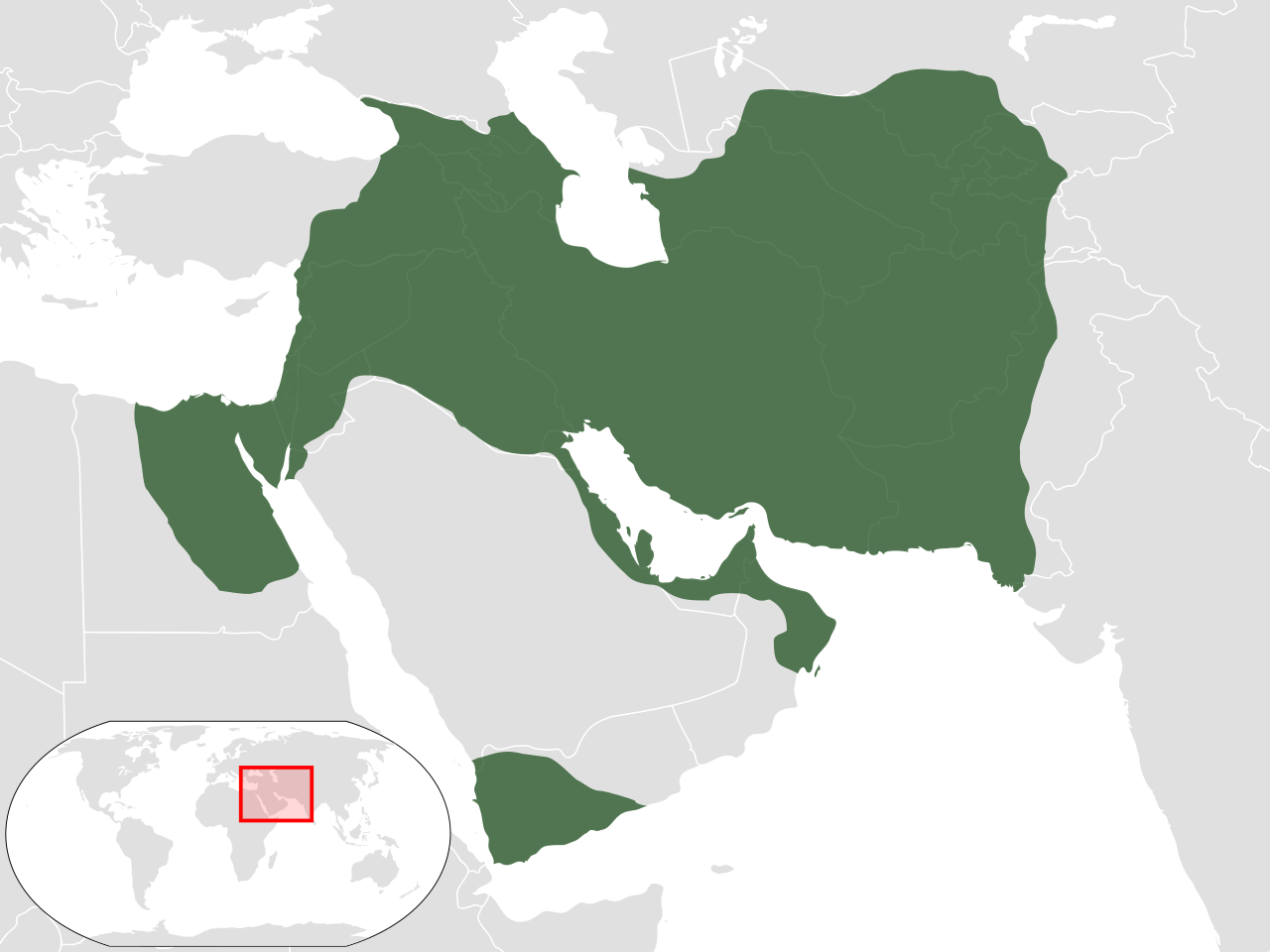
Sassanid Empire 620-627


The Rise of the Sassanians
The Sassanid Empire emerged in 224 AD, overthrowing the Parthian Empire and ushering in a new era of Persian dominance. Founded by Ardashir I, a descendant of the legendary Achaemenid kings, the Sassanids sought to revive the grandeur of their ancient predecessors. Ardashir I, a skilled military leader and astute politician, consolidated power by defeating the last Parthian king, Artabanus IV.
He established a highly centralized state, reformed the military, and promoted Zoroastrianism as the official religion, fostering a strong sense of Persian identity. The Sassanid state was characterized by a powerful monarchy, a sophisticated bureaucracy, and a well-organized army, including the formidable cataphracts. This period marked a significant shift in the political landscape of the ancient Near East, challenging the long-standing Roman hegemony in the region and setting the stage for centuries of intense rivalry.
Imperial Ambitions and Enduring Rivalries
The Sassanid Empire's existence was largely defined by its protracted and often brutal conflict with the Roman Empire, and later its successor, the Byzantine Empire. These wars, spanning over four centuries, were fought for control of strategic territories, particularly Mesopotamia and Armenia. Key figures like Shapur I, who famously captured the Roman Emperor Valerian, and Khosrow I, known for his military campaigns and administrative reforms, played pivotal roles.
The Sassanids achieved significant victories, at times even sacking Roman cities and expanding their influence deep into Roman territory. Conversely, they also faced setbacks and internal strife. These constant military engagements had a profound impact on both empires, draining resources and contributing to their eventual decline, while also fostering a complex exchange of military technologies, administrative practices, and cultural influences across their shared borders.
A Zenith of Persian Culture
The Sassanid era represents a golden age for Persian art, architecture, and intellectual development. Sassanid artists excelled in metalwork, producing exquisite silver and gold vessels adorned with intricate reliefs depicting royal hunts, courtly scenes, and religious motifs. Their textile production was also renowned, with luxurious silks becoming highly sought after.
Architecturally, they are credited with innovations such as the massive, pointed barrel vault, exemplified in the Taq Kasra at Ctesiphon, their magnificent capital. Palaces like those at Bishapur and Sarvestan showcase their mastery of stone and stucco. Sassanid scholars made significant advancements in mathematics, astronomy, and medicine, building upon Hellenistic and Indian traditions.
The empire also served as a crucial conduit for the transmission of knowledge, preserving classical texts and influencing the development of Islamic scholarship and culture following the Arab conquests.
The Legacy of the Sassanians
The fall of the Sassanid Empire in 651 AD to the Rashidun Caliphate marked the end of an era but not the end of their influence. The Sassanids left an indelible mark on the successor Islamic states. Their administrative structures, legal codes, and courtly traditions were largely adopted by the Umayyad and Abbasid caliphates.
Sassanid art and architecture provided a foundational aesthetic for Islamic art, with motifs and techniques continuing to be employed and adapted. The Persian language itself, revitalized under the Sassanians, became the lingua franca of administration and literature in many parts of the Islamic world. Furthermore, the Sassanid legacy is evident in the enduring cultural identity of Iran and its surrounding regions, a testament to a civilization that, for over four centuries, stood as a formidable power and a beacon of sophisticated culture.
Go deeper
Frequently Asked Questions
What was the Sassanid Empire and when did it start?+
Who was Ardashir I and what did he do?+
How did the Sassanids fight with the Romans?+
What kinds of art and buildings did the Sassanids create?+
What happened to the Sassanid Empire and why is it still important?+
Based on content from Wikipedia · Licensed under CC BY-SA 4.0