

The Safavid Dynasty: Persia's Powerful Rulers!
Images
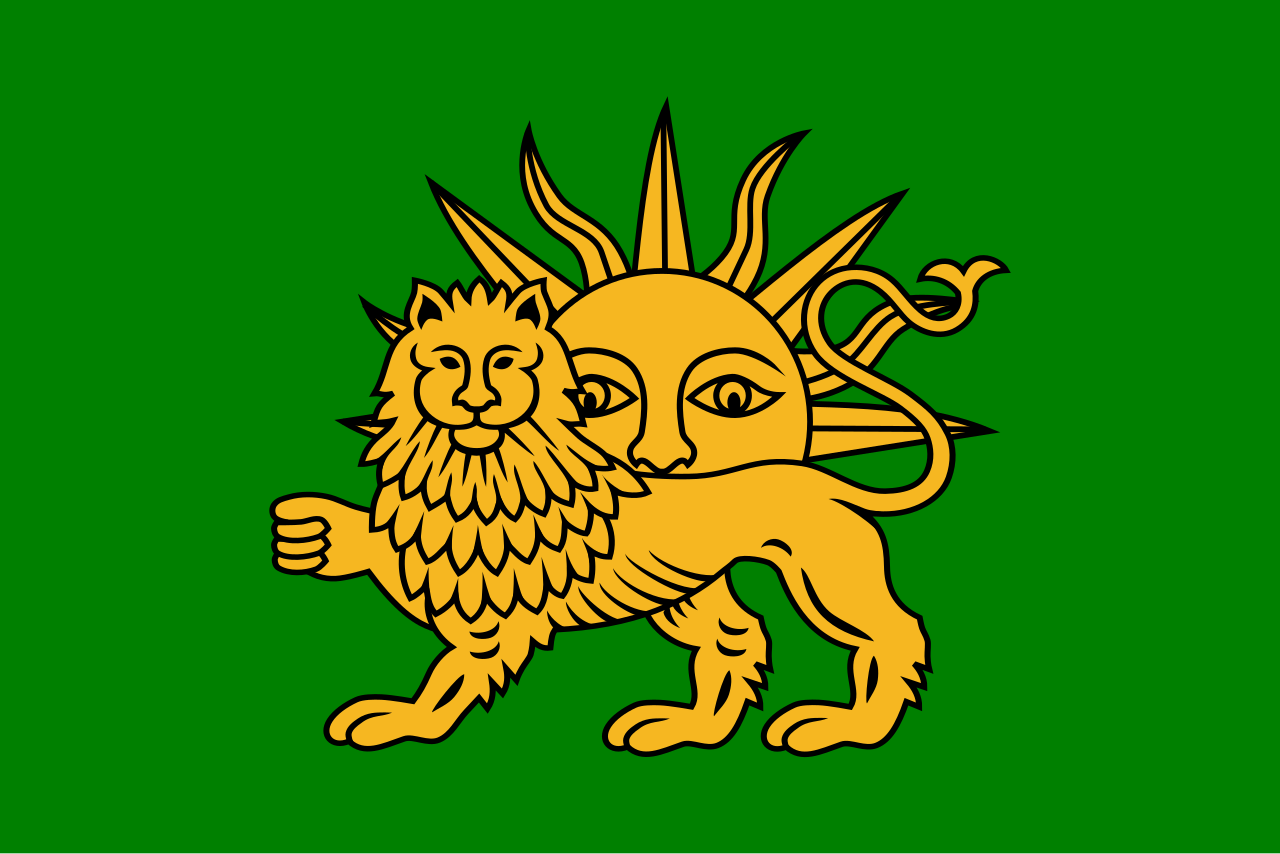
Safavid dynasty
The Genesis of a Shi'a Empire
The Safavid dynasty emerged from the Safaviyya, a Sufi order founded in the 14th century by Sheikh Safi al-Din Ardabili. Initially focused on spiritual guidance, the order gradually gained political and military influence, particularly under the leadership of Ismail I. Ismail, a charismatic and ambitious young leader, leveraged the loyalty of his Turkic tribal followers (known as Qizilbash) to conquer vast territories.
In 1501, he crowned himself Shah of Persia, establishing the Safavid Empire and initiating a radical shift in the region's religious and political landscape. His bold declaration of Twelver Shia Islam as the state religion, a minority sect at the time, was a defining act that would shape Persian identity for centuries and create a distinct religious and political frontier between Safavid Persia and its Sunni neighbors, the Ottoman and Uzbek empires.
Isfahan
Under the reign of Shah Abbas the Great (1588–1629), the Safavid Empire reached its zenith, with Isfahan transformed into one of the most magnificent cities in the world. Abbas meticulously planned and rebuilt the capital, creating a breathtaking urban tapestry of grand mosques, opulent palaces, bustling bazaars, and serene gardens. The Imam Mosque (formerly Shah Mosque) and the Sheikh Lotfollah Mosque, with their iconic blue tilework and intricate calligraphy, are testaments to the era's architectural genius and artistic sophistication.
The Naqsh-e Jahan Square became the heart of the city, a vast public space designed for royal ceremonies, military parades, and social gatherings. Isfahan's strategic location and Abbas's policies also fostered vibrant trade, attracting merchants and artisans from across Asia and Europe, solidifying its status as a cosmopolitan center of culture and commerce.
Cultural Flourishing
The Safavid period witnessed an extraordinary flourishing of the arts, deeply intertwined with the dynasty's patronage and religious ideology. Persian miniature painting reached new heights of technical skill and narrative complexity, with renowned artists like Bihzad influencing generations. Elaborate book illumination, calligraphy, and the production of exquisite Persian carpets became hallmarks of Safavid craftsmanship, sought after by elites worldwide.
The dynasty also supported scholarship, poetry, and philosophy, although the emphasis on religious orthodoxy sometimes led to censorship. The Safavid aesthetic, characterized by its vibrant colors, intricate patterns, and harmonious compositions, left an indelible mark on Islamic art and continues to inspire contemporary artists and designers.
The Dynamics of Power
The Safavid dynasty navigated a complex geopolitical environment, engaging in frequent conflicts and strategic diplomacy with powerful neighbors. Their rivalry with the Ottoman Empire was a defining feature, often centered on territorial disputes in Mesopotamia and the Caucasus, and fueled by religious differences. Safavid rulers also sought alliances with European powers against the Ottomans.
Internally, the dynasty faced challenges from tribal factions, particularly the Qizilbash, whose power sometimes rivaled that of the Shah. Economic fluctuations, administrative inefficiencies, and the eventual decline in the quality of leadership contributed to the empire's gradual weakening. The assassination of Shah Abbas I marked a turning point, and subsequent rulers struggled to maintain the empire's strength and cohesion.
Legacy and Enduring Influence
The Safavid dynasty's legacy is multifaceted and profound. Their most enduring contribution was the establishment of Twelver Shia Islam as the state religion, fundamentally shaping Iran's religious identity and its relationship with the wider Muslim world. This religious consolidation fostered a unique cultural and national consciousness that persists to this day.
Architecturally, their magnificent monuments continue to define Iran's cultural heritage and are UNESCO World Heritage sites. The Safavid era also solidified Persian as the dominant language of administration and culture, influencing literary traditions. While the dynasty ultimately collapsed due to a combination of internal decay and external pressures, culminating in the Afghan invasion of 1722 and the final end in 1736, the cultural, religious, and political foundations they laid continue to resonate in contemporary Iran and the broader Middle East.
Go deeper
Frequently Asked Questions
What was the Safavid dynasty and when did it start?+
Why did the Safavids choose Twelver Shia Islam as the state religion?+
How did Shah Abbas the Great make Isfahan a beautiful city?+
What kinds of art and crafts did the Safavids create?+
Who were the Qizilbash and what role did they play?+
Based on content from Wikipedia · Licensed under CC BY-SA 4.0