

Diplomacy: Talking it Out!
Images
Diplomacy


The Foundation of Global Order
Diplomacy is the principal instrument through which sovereign states conduct their foreign policy and manage their interactions in the international arena. It encompasses the art and practice of negotiation, representation, and communication between states, aiming to achieve national objectives while maintaining peaceful relations and fostering cooperation. Far from being mere polite conversation, diplomacy is a strategic endeavor involving careful analysis, calculated communication, and the skillful management of perceptions.
It operates on the principle that dialogue and mutual understanding are more effective and sustainable means of resolving disputes and advancing interests than coercion or conflict. The effectiveness of diplomacy hinges on factors such as credibility, consistency, and the ability to adapt to evolving geopolitical landscapes. It is the bedrock upon which international law and global governance are built, enabling collective action on issues ranging from security to economic development.
The Historical Trajectory of Diplomacy
The practice of diplomacy has evolved significantly over millennia. Early forms can be traced to ancient Mesopotamia and Egypt, where rulers exchanged envoys to negotiate peace, trade, and alliances. The classical world, particularly Greece and Rome, developed more formalized systems of envoys and treaties.
The medieval period saw the rise of itinerant ambassadors, often clergy or nobility, representing feudal lords. A pivotal shift occurred during the Italian Renaissance with the establishment of permanent resident embassies, pioneered by city-states like Venice. This innovation allowed for continuous representation, intelligence gathering, and the development of sophisticated diplomatic protocols.
The Treaty of Westphalia in 1648 is often cited as a landmark, solidifying the concept of state sovereignty and the principles of diplomatic immunity. The Congress of Vienna in 1815 further codified diplomatic ranks and procedures, laying the groundwork for modern diplomatic practice and the establishment of international organizations in the 20th century.
The Indispensable Role of Diplomacy in a Complex World
In an increasingly interconnected and volatile world, diplomacy serves as the primary mechanism for conflict prevention and resolution. It provides the essential framework for states to address shared challenges that transcend national borders, such as climate change, pandemics, terrorism, and economic instability. Through diplomatic channels, nations can forge international agreements, establish norms of behavior, and build coalitions to tackle these complex issues.
Diplomacy is also critical for promoting economic prosperity through trade negotiations, securing global supply chains, and facilitating international investment. Furthermore, it plays a vital role in humanitarian efforts, disaster relief coordination, and the promotion of human rights and democratic values. Without robust diplomatic engagement, the international system would be far more prone to anarchy, miscalculation, and large-scale conflict, hindering global progress and human well-being.
Mechanisms and Modalities
Modern diplomacy employs a diverse array of tools and techniques. Bilateral diplomacy, involving direct interactions between two states, remains fundamental, often conducted through embassies and consulates staffed by career diplomats. Multilateral diplomacy, facilitated by international organizations like the United Nations, the World Trade Organization, and regional bodies, allows for collective problem-solving and norm-setting among numerous states.
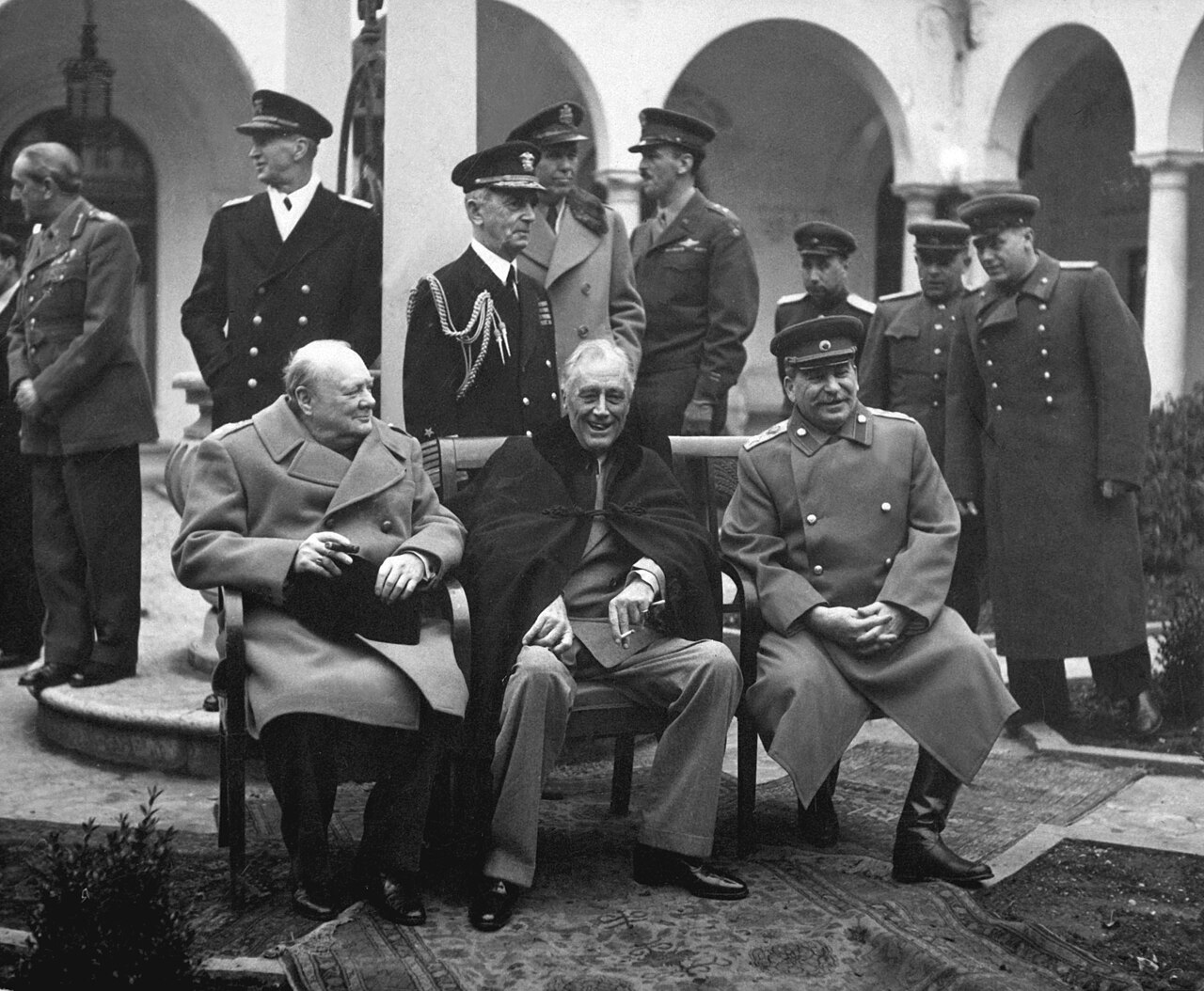
This includes summit diplomacy, where heads of state or government meet, and functional diplomacy focused on specific technical or sectoral issues. Other key modalities include public diplomacy, which seeks to influence foreign publics directly through cultural exchange, media, and educational programs, and economic diplomacy, leveraging trade and investment to achieve foreign policy goals. Mediation, good offices, and preventive diplomacy are crucial tools for de-escalating tensions and averting conflict before it erupts.
Case Studies in Diplomacy
The impact of diplomacy is evident across numerous historical and contemporary events. The Cold War, while characterized by ideological rivalry, was ultimately managed and concluded through sustained diplomatic engagement, including arms control negotiations and summit meetings between US and Soviet leaders. The establishment of the European Union is a testament to decades of intensive diplomatic efforts to foster economic integration and political stability in Europe.
More recently, diplomatic negotiations have been central to international agreements on nuclear non-proliferation, such as the Joint Comprehensive Plan of Action (JCPOA) with Iran, and global climate accords like the Paris Agreement. Even in moments of crisis, such as the Cuban Missile Crisis, diplomacy, though fraught with tension, proved instrumental in averting catastrophic conflict. These examples highlight diplomacy's capacity to shape international norms, resolve intractable disputes, and foster cooperation on a global scale.
Go deeper
Frequently Asked Questions
What is diplomacy and why do countries use it?+
How did diplomacy start a long time ago?+
Why are embassies important?+
What happens when countries disagree?+
How does diplomacy help with big problems like climate change?+
Based on content from Wikipedia · Licensed under CC BY-SA 4.0