

Ross Sea
Images
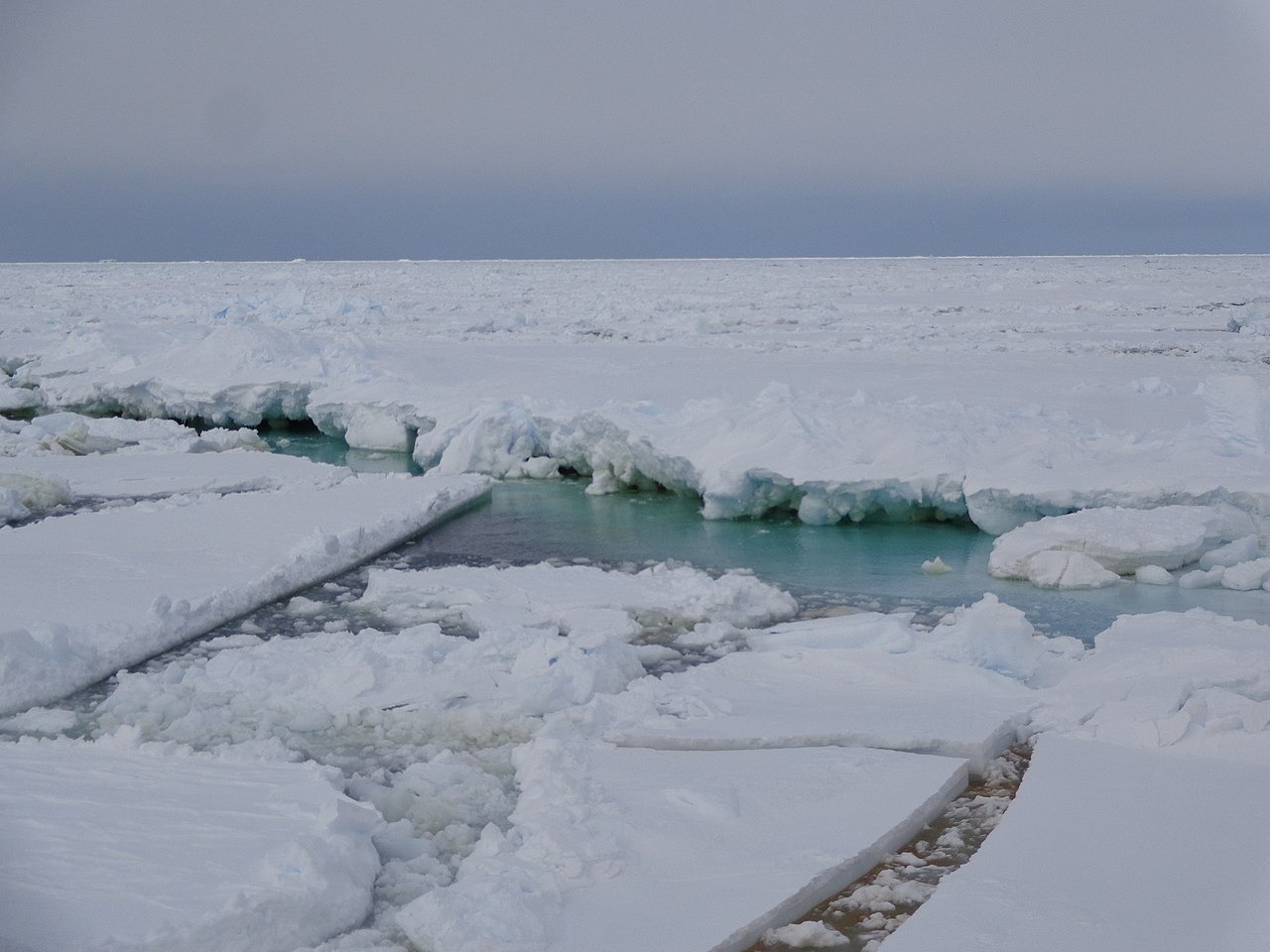
Ross Sea
Geographical Significance and Oceanographic Dynamics
The Ross Sea is a vast embayment of the Southern Ocean, situated in Antarctica between Victoria Land and Marie Byrd Land. Its distinction as the southernmost sea on Earth places it at the forefront of polar oceanography. Defined by the New Zealand National Institute of Water and Atmospheric Research, its area spans 637,000 square kilometers, a colossal region dominated by ice for most of the year.
The sea's circulation is a complex interplay of wind-driven gyres and the influence of three submerged ridges running southwest to northeast. A significant feature is the inflow of Circumpolar Deep Water, a relatively warm, salty, and nutrient-rich mass that ascends onto the continental shelf, fueling the region's productivity. The southern boundary is marked by the immense Ross Ice Shelf, a colossal floating ice mass that extends hundreds of kilometers from the Antarctic continent.
A Haven of Biodiversity and Ecological Resilience
Despite its extreme cold and ice cover, the Ross Sea is a global hotspot for marine biodiversity. The nutrient-rich waters support a dense population of plankton, which in turn sustains a rich food web. This includes at least ten species of marine mammals, such as various seals, six species of birds, most notably penguins, and an impressive 95 species of fish, alongside numerous invertebrates.
The sea's relative isolation and limited human impact have preserved its ecological integrity, making it a benchmark for understanding pristine marine environments. This resilience is a key reason why it is considered one of the last great wilderness areas on Earth.
Historical Exploration and Scientific Endeavor
The Ross Sea's history is intrinsically linked to the heroic age of Antarctic exploration. It was first visited and named by British explorer Sir James Clark Ross in 1841, who charted its formidable ice cliffs. Later, it served as a critical staging ground for legendary expeditions, including those of Ernest Shackleton and Robert Falcon Scott, who aimed for the South Pole.
These early explorations laid the groundwork for modern scientific research. Today, the Ross Sea remains a vital site for ongoing scientific study, with research stations and international collaborations focused on understanding climate change impacts, oceanographic processes, and the unique adaptations of Antarctic life.
Conservation and Global Marine Protection
The ecological significance of the Ross Sea has spurred considerable conservation efforts. Marine biologists and environmental groups have long advocated for its protection, recognizing its status as a vital, relatively undisturbed ecosystem. In response to these calls, an international agreement in 2016 established the Ross Sea Region Marine Protected Area (MPA).
This landmark designation, covering a vast area, aims to safeguard its unique biodiversity, allow for scientific research, and preserve its natural state for future generations. New Zealand also asserts jurisdiction over the surrounding territory as part of the Ross Dependency, underscoring the region's geopolitical and environmental importance.
Go deeper
Frequently Asked Questions
What is the Ross Sea?+
Why is the Ross Sea important for scientists?+
How many kinds of fish live in the Ross Sea?+
Where does the Ross Sea get its warm water?+
What is the Ross Sea Marine Protected Area?+
Based on content from Wikipedia · Licensed under CC BY-SA 4.0