

Roskilde: A City of Vikings and Kings!
Images

BMX rider at Roskilde Festival Street City




From Pre-Christian Roots to Royal Mausoleum
Roskilde's historical significance is profound, tracing its origins to the pre-Christian Viking Age, a period that shaped much of Northern European history. Its strategic location on the island of Zealand, west of the burgeoning capital Copenhagen, allowed it to flourish as a center of power and religion. The city's most iconic landmark, the Roskilde Cathedral, stands as a testament to this legacy.
Completed in 1275, this UNESCO World Heritage site is not merely an architectural marvel of Gothic design but also the principal royal burial church of Denmark. Housing the tombs of 39 Danish monarchs, it served as the epicenter of religious influence and royal prestige for centuries, playing a pivotal role in the nation's spiritual and political landscape until the seismic shifts of the Reformation. The cathedral's enduring presence underscores Roskilde's deep connection to Denmark's royal lineage and its historical evolution.
Economic Evolution
The economic trajectory of Roskilde mirrors Denmark's broader industrial and technological advancements. The 19th century saw the city transform into a vital transportation and industrial node, thanks to the expansion of the railway network connecting it to Copenhagen. This era fostered the growth of manufacturing, with industries like tobacco production, iron foundries, and machine shops becoming prominent.
As the 20th century progressed and into the 21st, Roskilde's economic base diversified significantly. Today, it is a leading center for IT solutions, exemplified by BEC (Bankernes EDB Central), and a key player in agricultural innovation through companies like DLF. Furthermore, the Risø research facility is at the forefront of sustainable energy development, positioning Roskilde as a hub for clean technology and research, attracting talent and investment in future-oriented sectors.
This transition highlights the city's adaptability and its commitment to embracing new economic frontiers.
Preserving the Past, Inspiring the Future
Roskilde offers a unique blend of tangible historical artifacts and forward-looking educational institutions. The Viking Ship Museum is a world-renowned attraction, housing the remarkably preserved remains of five 11th-century Viking ships. These vessels, recovered from the Roskilde Fjord, provide an unparalleled glimpse into the maritime prowess and adventurous spirit of the Vikings, drawing over 100,000 visitors annually.
Complementing this ancient heritage is a robust educational ecosystem. Roskilde University, established in 1972, is a modern institution known for its interdisciplinary approach. Alongside it stand venerable institutions like the Cathedral School and specialized vocational colleges such as the Danish Meat Trade College.
The city also boasts a significant hospital, increasingly engaged in medical research, and the Sankt Hans psychiatric hospital, a vital facility for specialized care. This educational infrastructure nurtures a skilled workforce and fosters a culture of continuous learning and innovation.
A Cultural Tapestry
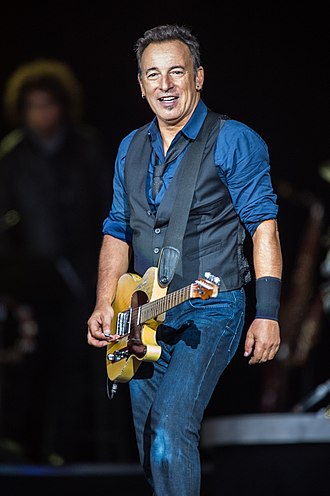
Beyond its historical and economic contributions, Roskilde thrives as a vibrant cultural center. The city is internationally celebrated for its annual Roskilde Festival, one of Europe's largest and oldest music festivals, attracting hundreds of thousands of attendees and featuring a diverse lineup of global artists. This event underscores the city's dynamic contemporary cultural scene.
Roskilde also fosters a strong sense of community through its various sports clubs, including FC Roskilde (football), Roskilde Vikings RK (rugby), and Roskilde Roklub (rowing). The city's infrastructure, enhanced by the Holbæk Motorway connecting it to Copenhagen and its status as the site of Denmark's oldest operational railway station, facilitates connectivity and accessibility. Notable citizens like Bishop Absalon, painter L.
A. Ring, writer Lise Nørgaard, and Olympic rower Thomas Ebert further enrich Roskilde's cultural narrative, showcasing a legacy of achievement that spans centuries and disciplines.
Governance and Connectivity
Roskilde functions as a key administrative and educational center within the Capital Region of Denmark, governed by the Roskilde Municipality council. Its strategic location, approximately 30 kilometers west of Copenhagen on the island of Zealand, provides excellent connectivity. The city benefits from Denmark's well-developed transportation network, including its oldest operational railway station, which links it to major Danish regions like Jutland and the islands of Falster and Lolland, as well as across Zealand.
The local airport, primarily serving business aviation and flight training, further enhances its accessibility. This robust infrastructure supports its role as a significant regional hub, facilitating both commerce and cultural exchange, and ensuring its continued development as a dynamic Danish city.
Go deeper
Frequently Asked Questions
What is Roskilde famous for?+
Where can I see old Viking ships?+
Why is Roskilde Cathedral important?+
What kind of jobs are common in Roskilde today?+
What big event happens in Roskilde every year?+
Based on content from Wikipedia · Licensed under CC BY-SA 4.0