

Río: The City That Sparkles!
Images

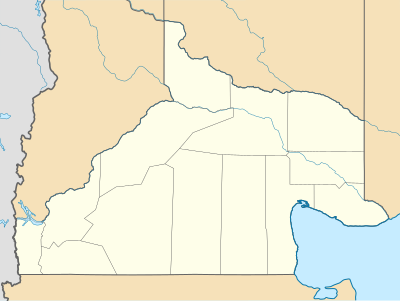
Argentina Entre Ríos topographic location map




Río's Geographical Identity
Rio de Janeiro's identity is inextricably linked to its extraordinary geographical setting. Situated in southeastern Brazil, the city is dramatically defined by the convergence of the Atlantic Ocean and a rugged, mountainous interior. This topography, characterized by granite peaks like Sugarloaf Mountain and Corcovado, creates a stunning natural amphitheater for the urban sprawl.
The city's layout is a testament to human adaptation within this challenging terrain, with development concentrated in coastal plains and valleys. Río experiences a tropical savanna climate, marked by hot, humid summers and mild, drier winters. This climate supports lush Atlantic Forest vegetation, remnants of which are preserved in urban parks like Tijuca National Park, one of the world's largest urban rainforests.
The city's famous beaches, such as Copacabana and Ipanema, are not merely recreational spaces but also crucial social and economic zones, shaped by coastal dynamics and urban planning. The interplay between these natural features and human settlement has resulted in a city of unparalleled visual splendor but also significant environmental challenges, including susceptibility to landslides and coastal erosion.
From Colonial Outpost to Cultural Epicenter
Founded by the Portuguese in 1565 as São Sebastião do Rio de Janeiro, the city initially served as a strategic port and administrative center. Its history is deeply intertwined with Brazil's colonial past, including periods as the capital of Portuguese America and later, from 1808 to 1960, as the capital of Brazil itself. This long tenure as the nation's political and cultural heart profoundly shaped its development, attracting artists, intellectuals, and political figures.
Río played a pivotal role in Brazil's independence and subsequent imperial and republican eras. The early 20th century saw significant urban renewal projects, transforming its landscape and infrastructure. Despite losing its status as the federal capital to Brasília in 1960, Río has retained its immense cultural significance.
Its historical neighborhoods, architectural landmarks, and enduring artistic traditions continue to tell the story of Brazil's complex journey, from colonial exploitation to its emergence as a modern nation.
The Soul of Samba
Río de Janeiro is globally synonymous with a vibrant and dynamic culture, deeply rooted in music, dance, and a unique way of life. The city is the birthplace of samba, a musical genre and dance form that defines Brazilian identity and is the centerpiece of the world-renowned Carnival. This annual festival is an explosion of creativity, featuring elaborate parades by samba schools, intricate costumes, and infectious rhythms that captivate millions.
Beyond Carnival, Carioca culture is characterized by a strong emphasis on social interaction, particularly in its iconic public spaces like the beaches and the Lapa bohemian district. The population, a rich tapestry of European, African, and Indigenous influences, contributes to a diverse culinary scene, artistic expressions, and a resilient spirit. However, Río also grapples with significant social inequalities, with stark contrasts between affluent neighborhoods and favelas (informal settlements), which present ongoing challenges for social cohesion and urban development.
Notable figures in arts, music, and sports have emerged from Río, further cementing its status as a global cultural powerhouse.
Economic Engines and Governance Structures of the Marvelous City
Rio de Janeiro functions as a major economic hub within Brazil, with a diverse economy that has evolved significantly over time. Historically, its port and service industries were dominant. Today, while services, including finance, technology, and tourism, remain crucial, the city also retains significant industrial activity, particularly in sectors like shipbuilding and manufacturing.
Its strategic location on the coast also makes it a key center for Brazil's burgeoning oil and gas industry, with major offshore exploration and production operations managed from the city. Tourism is a cornerstone of its economy, driven by its world-famous landmarks, beaches, and cultural events like Carnival, attracting millions of international and domestic visitors annually. Governance in Río is structured as a municipality within the state of Rio de Janeiro.
The city is led by a Mayor and a Municipal Chamber, responsible for local administration, public services, urban planning, and implementing policies. The state government oversees broader regional issues, while national policies and federal agencies also have a significant presence. Navigating the complexities of urban management, public safety, and infrastructure development are constant challenges for Río's governing bodies.
The Pursuit of Knowledge
Education in Rio de Janeiro reflects the city's broader societal dynamics, offering a spectrum of opportunities and challenges. The city hosts a range of educational institutions, from public kindergartens and primary schools to private institutions and renowned universities. The public education system, managed by municipal and state authorities, aims to provide free access to education for all residents.
However, like many large urban centers, it faces challenges related to funding, infrastructure, and quality disparities, particularly between different socio-economic areas. The private education sector offers alternative options, often with more resources but at a cost that can exclude lower-income families. Río is also home to prestigious higher education institutions, including the Federal University of Rio de Janeiro (UFRJ) and the Pontifical Catholic University of Rio de Janeiro (PUC-Rio), which are centers for research and innovation, attracting students from across Brazil and internationally.
These institutions play a vital role in shaping the city's intellectual landscape and contributing to its economic and cultural development, though access remains a critical issue for many.
See also
Based on content from Wikipedia · Licensed under CC BY-SA 4.0