

Quito: The City in the Clouds!
Images
Quito
The Andean Crown Jewel
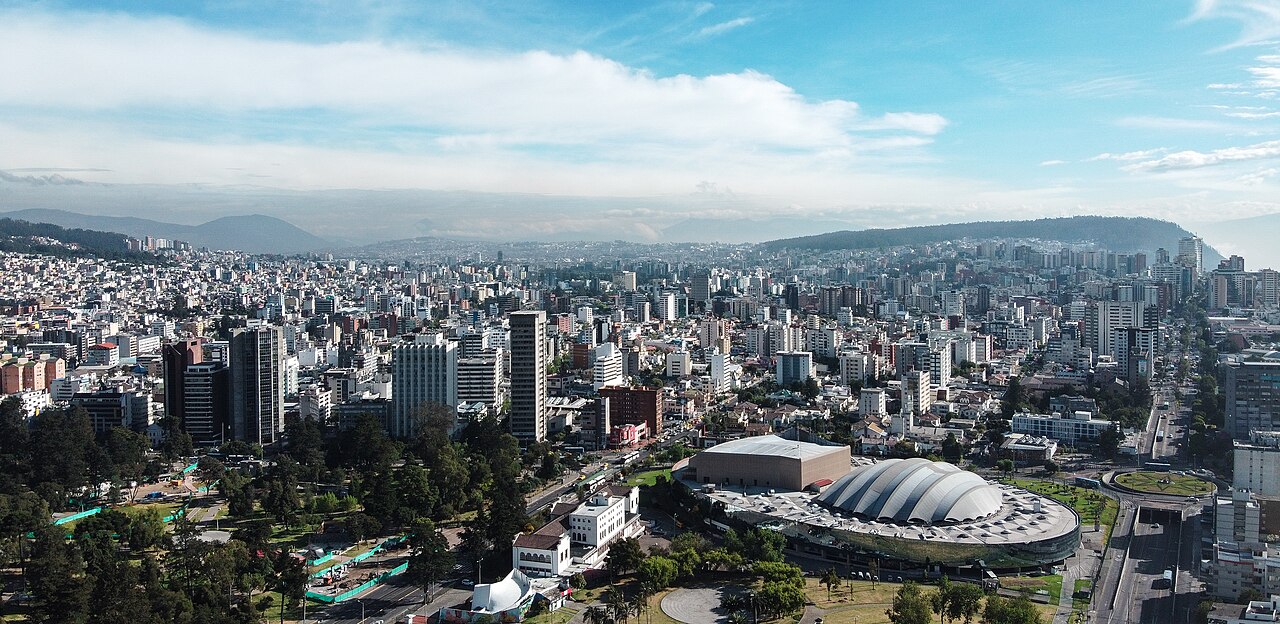
Quito's identity is inextricably linked to its extraordinary geographical location. Perched at an altitude of approximately 9,350 feet (2,850 meters) in a valley within the Andes Mountains, it stands as one of the highest capital cities globally. This elevation profoundly impacts its climate, creating a temperate, spring-like environment year-round, despite its equatorial latitude.
The thinner atmosphere at this altitude results in higher solar radiation, necessitating precautions against sunburn, while also contributing to cooler average temperatures compared to lowland cities. The surrounding landscape is dominated by volcanic peaks, including the active Pichincha volcano, which looms over the city and offers challenging hiking opportunities. Quito's position near the Equator means consistent daylight hours and minimal seasonal temperature variation, but the altitude moderates any potential tropical heat.
This unique combination of high altitude, equatorial proximity, and dramatic mountainous terrain shapes its biodiversity, influencing the types of plants and animals that can thrive in the region and presenting distinct challenges and opportunities for urban development and human habitation. The city's layout itself is a testament to adapting to this challenging, yet beautiful, environment.
From Indigenous Heart to Colonial Grandeur
Quito boasts a deep and complex historical narrative, originating as a significant center for pre-Inca cultures, most notably the Quitus, from whom the city derives its name. Later, it became a vital administrative and military hub for the vast Inca Empire, strategically positioned and boasting impressive infrastructure. The arrival of Spanish conquistadors in the 16th century heralded a transformative era.
The Spanish founded San Francisco de Quito on December 6, 1534, deliberately building upon the existing indigenous foundations. This act initiated a period of intense cultural and architectural fusion. The colonial era saw the construction of magnificent churches, convents, and public buildings, many of which survive today, forming the core of Quito's exceptionally well-preserved historic center.
This area, recognized as one of the first UNESCO World Heritage sites, is a living museum of colonial urban planning and religious art, characterized by its intricate Baroque architecture, ornate facades, and cobblestone streets. Quito also played a pivotal role in the broader South American independence movements, serving as a key site for revolutionary activities and declarations of independence, solidifying its status as a city of profound historical and political significance.
A Tapestry of Traditions
The cultural landscape of Quito is a vibrant mosaic, reflecting centuries of interaction between indigenous Andean traditions and Spanish colonial influences. This syncretism is deeply embedded in the city's identity, manifesting in its festivals, religious practices, artistic expressions, and culinary heritage. The indigenous populations continue to maintain their distinct cultural practices, often blending them with Catholic traditions, a phenomenon particularly evident during religious celebrations.
Quito's historic center is not merely a relic of the past but a dynamic space where traditional crafts, such as intricate textile weaving and pottery, are still practiced and sold. The city is renowned for its religious art and architecture, with churches like La Compañía de Jesús housing some of the most exquisite examples of Baroque artistry in the Americas. Ecuadorean cuisine, heavily featured in Quito, emphasizes fresh, locally sourced ingredients, with staples like corn, potatoes, quinoa, and diverse fruits forming the basis of many traditional dishes.
The warmth and hospitality of the Quiteños contribute to the city's welcoming atmosphere, fostering a strong sense of community amidst its bustling urban environment.
The Nexus of Power and Progress
As the constitutional capital of Ecuador, Quito serves as the nation's primary seat of government and administration. It is home to the executive, legislative, and judicial branches, making it the epicenter of political decision-making and national policy formulation. This central role underpins its status as a major economic hub.
The service sector is dominant, encompassing finance, telecommunications, and public administration. Quito is also a significant industrial center, producing goods ranging from textiles and processed foods to manufactured products. The tourism industry is increasingly vital, capitalizing on the city's rich history, cultural heritage, and stunning natural surroundings, including its proximity to the Equator and the Avenue of the Volcanoes.
Ecuador's adoption of the United States Dollar as its official currency in 2000 has had a significant impact on Quito's economic stability and integration into global markets. The government actively promotes foreign investment and seeks to diversify the economy, focusing on sustainable development, technological advancement, and improving infrastructure to enhance connectivity and quality of life for its growing population.
Nurturing Future Minds
Quito places a strong emphasis on education, recognizing its crucial role in societal development and individual empowerment. The city hosts a comprehensive educational system, from early childhood centers to higher education institutions. Public and private schools cater to diverse needs, with a curriculum that typically includes Spanish language, mathematics, sciences, social studies, and arts.
For higher learning, Quito is home to several prominent universities, including the Universidad Central del Ecuador, one of the oldest and largest public universities in the country, and the Pontificia Universidad Católica del Ecuador, a respected private institution. These universities offer a wide array of undergraduate and postgraduate programs across various disciplines, contributing significantly to research, innovation, and the professional development of Ecuadoreans. The city also provides numerous technical and vocational training centers, equipping individuals with practical skills for the job market.
Educational initiatives often focus on integrating technology, promoting critical thinking, and fostering a deeper understanding of Ecuadorean history and culture.
Go deeper
Frequently Asked Questions
Why is Quito called the City in the Clouds?+
How does Quito stay cool even though it’s near the Equator?+
What is the Pichincha volcano and why is it special?+
How did Quito become Ecuador’s capital city?+
What makes Quito’s historic center a UNESCO World Heritage site?+
Based on content from Wikipedia · Licensed under CC BY-SA 4.0