

Plaza de Mayo
Images
Plaza de Mayo EZ


The Genesis of a National Symbol
Plaza de Mayo, established in its current form in 1884 through the demolition of the Recova building, represents the deliberate consolidation of urban space for national expression. This act unified the colonial Plaza Mayor and Plaza de Armas, transforming them into a singular, expansive public forum. Its strategic placement within the microcentro, Buenos Aires' bustling financial and administrative heart, underscores its role as the city's primary civic stage.
The square's very architecture and layout were designed to facilitate large gatherings and serve as a visible symbol of the burgeoning Argentine nation. The surrounding avenues and streets, including Avenida de Mayo, were planned to channel citizens towards this central point, reinforcing its importance as a nexus of national activity and discourse.
A Chronicle of Argentine Transformation
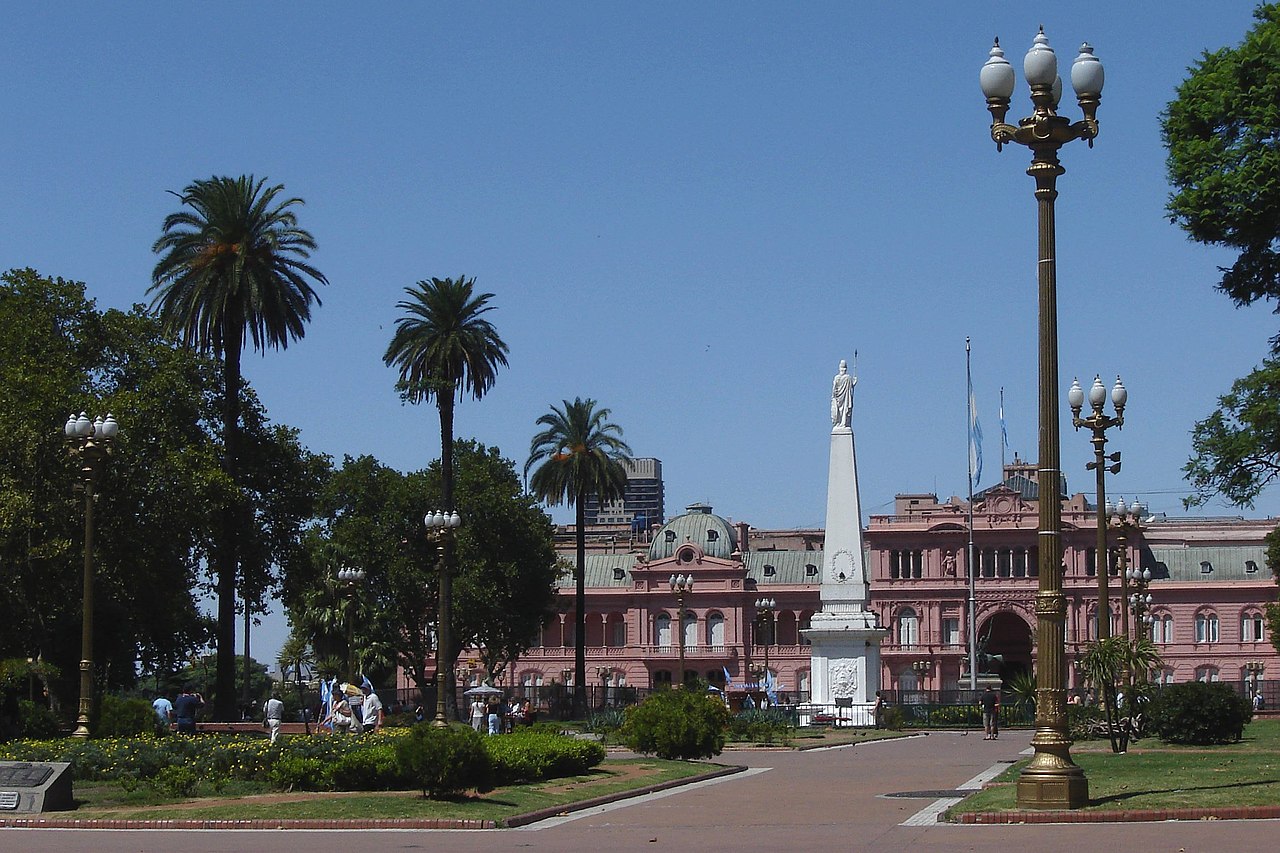
The historical resonance of Plaza de Mayo is profound, having witnessed the most transformative moments in Argentine history. It was here that the May Revolution of 1810 was initiated, a pivotal event that set Argentina on the path to independence. The subsequent inauguration of the May Pyramid in 1811, the nation's first national monument, solidified the square's symbolic importance as a repository of revolutionary ideals and national pride.
Throughout the 19th and 20th centuries, the plaza has been the site of both triumphant celebrations and profound political struggles, serving as a constant reminder of the nation's ongoing evolution and the collective memory of its people. Its enduring presence makes it a tangible link to the nation's foundational myths and its continuous redefinition.
The Architectural Embodiment of State Power and Heritage
The buildings framing Plaza de Mayo are not mere structures but potent symbols of Argentina's governance, history, and faith. The Casa Rosada, with its distinctive pink facade, is the executive headquarters, symbolizing the authority of the presidency and the administrative arm of the state. Its balcony has been the stage for countless presidential addresses and public pronouncements, making it a focal point of national attention.
The Metropolitan Cathedral, a significant religious institution, represents the spiritual dimension of Argentine identity. The Cabildo, a remnant of the colonial era, offers a tangible connection to the country's past, while the Bank of the Argentine Nation headquarters speaks to its economic aspirations. This concentration of iconic buildings transforms the plaza into a microcosm of the Argentine state.
The Unfolding Arena of Popular Sovereignty
Plaza de Mayo functions as Argentina's most significant public forum, a space where the collective will of the populace is expressed. It has historically been the site of the largest and most impactful popular demonstrations, from the Madres de Plaza de Mayo demanding accountability during the dictatorship to massive rallies supporting or protesting government policies. Its accessibility, facilitated by multiple subway lines converging beneath it, ensures its continued relevance as a gathering place.
The square is not merely a passive backdrop but an active participant in the nation's political and social dialogue, a space where citizens engage directly with the symbols and institutions of their republic, shaping the ongoing narrative of Argentine democracy.
Enduring Relevance in Contemporary Argentina
Even today, Plaza de Mayo remains the primary stage for national discourse and collective action in Argentina. It continues to host significant political rallies, commemorative events, and public protests, demonstrating its persistent role in the country's civic life. The square serves as a constant reminder of Argentina's historical struggles for democracy and social justice, and it remains a focal point for contemporary debates about the nation's future.
Its accessibility via public transportation and its central location ensure that it will continue to be the go-to venue for citizens wishing to make their voices heard on matters of national importance, solidifying its status as an irreplaceable element of Argentine identity and political culture.
See also
Frequently Asked Questions
What is Plaza de Mayo?+
Why is Plaza de Mayo important?+
Where is Plaza de Mayo located?+
What buildings can you see around Plaza de Mayo?+
What can people do at Plaza de Mayo?+
Based on content from Wikipedia · Licensed under CC BY-SA 4.0