

Bank
Images
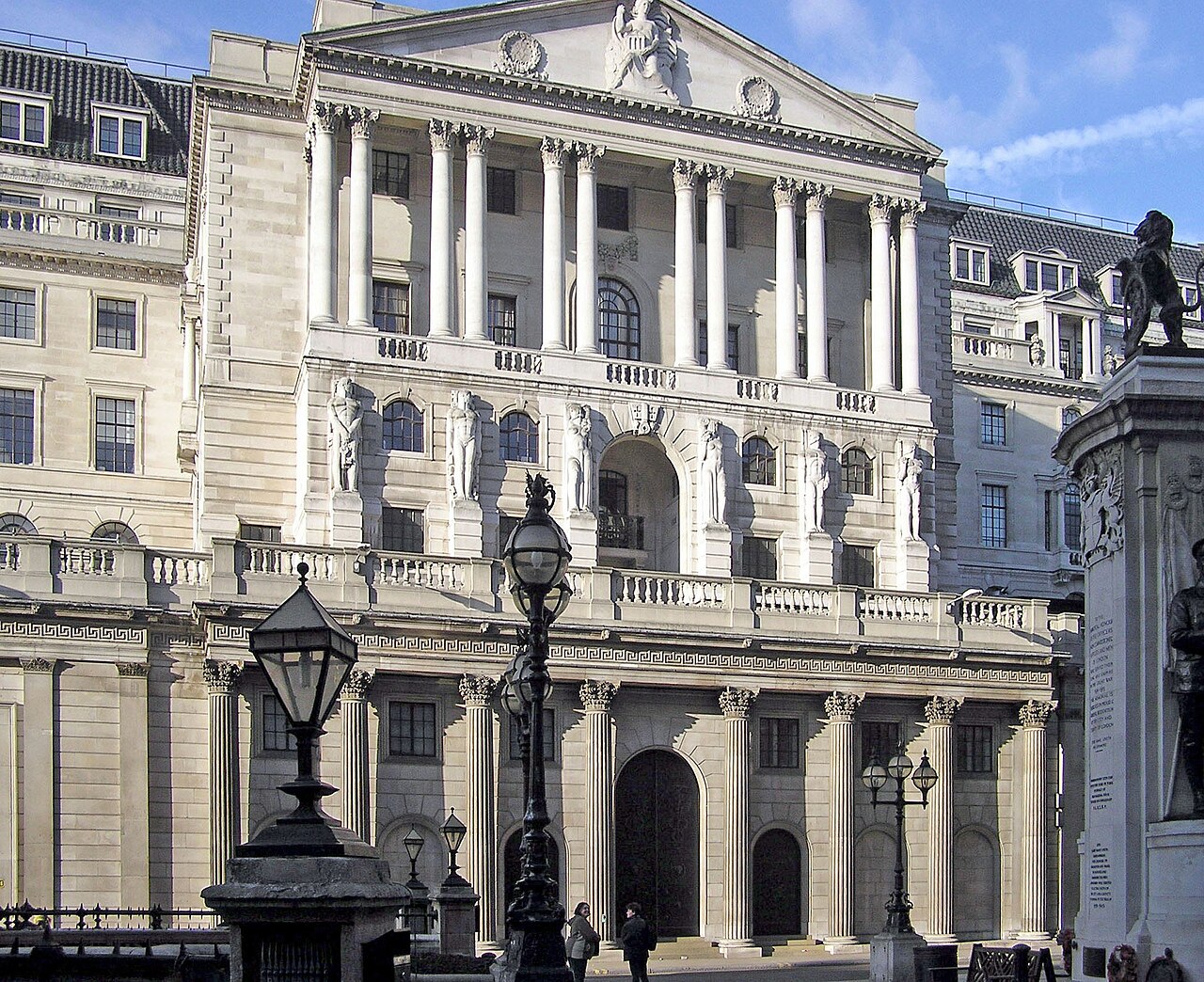
Bank
From Temple Treasuries to Global Financial Networks
The concept of a bank, an institution dedicated to the safekeeping and lending of money, has roots stretching back to antiquity. Early forms of banking can be traced to ancient Mesopotamia, Egypt, and Greece, where temples and private moneylenders acted as custodians of wealth, offering loans and facilitating exchanges. During the Middle Ages, Italian city-states like Venice and Florence became centers of sophisticated banking practices, with families like the Medici pioneering techniques such as bills of exchange and double-entry bookkeeping.
The establishment of formal banks, such as the Bank of Amsterdam in 1609 and the Bank of England in 1694, marked a significant shift towards centralized financial institutions that could manage national debts and issue currency. These early banks were instrumental in financing trade, wars, and infrastructure projects, laying the foundation for the complex global financial system we navigate today, characterized by intricate networks of commercial banks, investment banks, and central banks.
The Indispensable Functions of Modern Banking
Modern banks perform a constellation of critical functions that underpin economic stability and growth. Foremost among these is the role of financial intermediation: acting as a conduit between savers and borrowers. By accepting deposits, banks pool capital from numerous individuals and entities, which they then lend out to support consumption, investment, and entrepreneurship.
This process is vital for efficient capital allocation, enabling resources to flow to their most productive uses. Beyond intermediation, banks provide essential payment systems, facilitating transactions through checks, electronic transfers, and credit cards, thereby reducing the costs and risks associated with direct barter. They also offer risk management services, such as hedging and insurance, and play a crucial role in the creation of credit, a fundamental driver of economic activity.
The health and stability of the banking sector are therefore paramount to the overall functioning of an economy.
Anatomy of a Bank
The operational framework of a bank is a carefully managed system designed for security, efficiency, and profitability. At its core, banking involves managing balance sheets, where assets (loans, investments) are balanced against liabilities (deposits, borrowed funds) and equity. The principle of fractional reserve banking allows banks to lend out a portion of their deposits while maintaining reserves to meet withdrawal demands.
Profitability is primarily derived from the net interest margin (the difference between interest earned on loans and interest paid on deposits) and fees for various services. However, the inherent risks in banking, such as credit risk, liquidity risk, and market risk, necessitate robust regulatory oversight. Central banks and government agencies impose capital requirements, liquidity ratios, and consumer protection laws to ensure the stability of individual institutions and the financial system as a whole, preventing systemic crises like those seen in historical financial panics.
Societal Impact and Evolving Landscape
Banks are deeply interwoven with the social fabric, influencing everything from individual financial well-being to national development. Access to banking services can empower individuals, enabling them to save, invest, and build wealth, thereby reducing inequality. For businesses, banks provide the essential capital and financial services needed to innovate, expand, and create employment.
On a macroeconomic level, central banks manage monetary policy through tools like interest rate adjustments and open market operations, influencing inflation, economic growth, and employment. The banking sector is also a significant employer and contributor to GDP. In recent years, the industry has undergone rapid transformation driven by technological advancements, leading to the rise of fintech companies, digital banking, and cryptocurrencies, which challenge traditional banking models and necessitate ongoing adaptation and regulatory evolution.
Go deeper
Frequently Asked Questions
What is a bank?+
Why do banks exist?+
Where did banks start?+
How do banks make money?+
What are some rules that keep banks safe?+
Based on content from Wikipedia · Licensed under CC BY-SA 4.0