

Orange River
Images
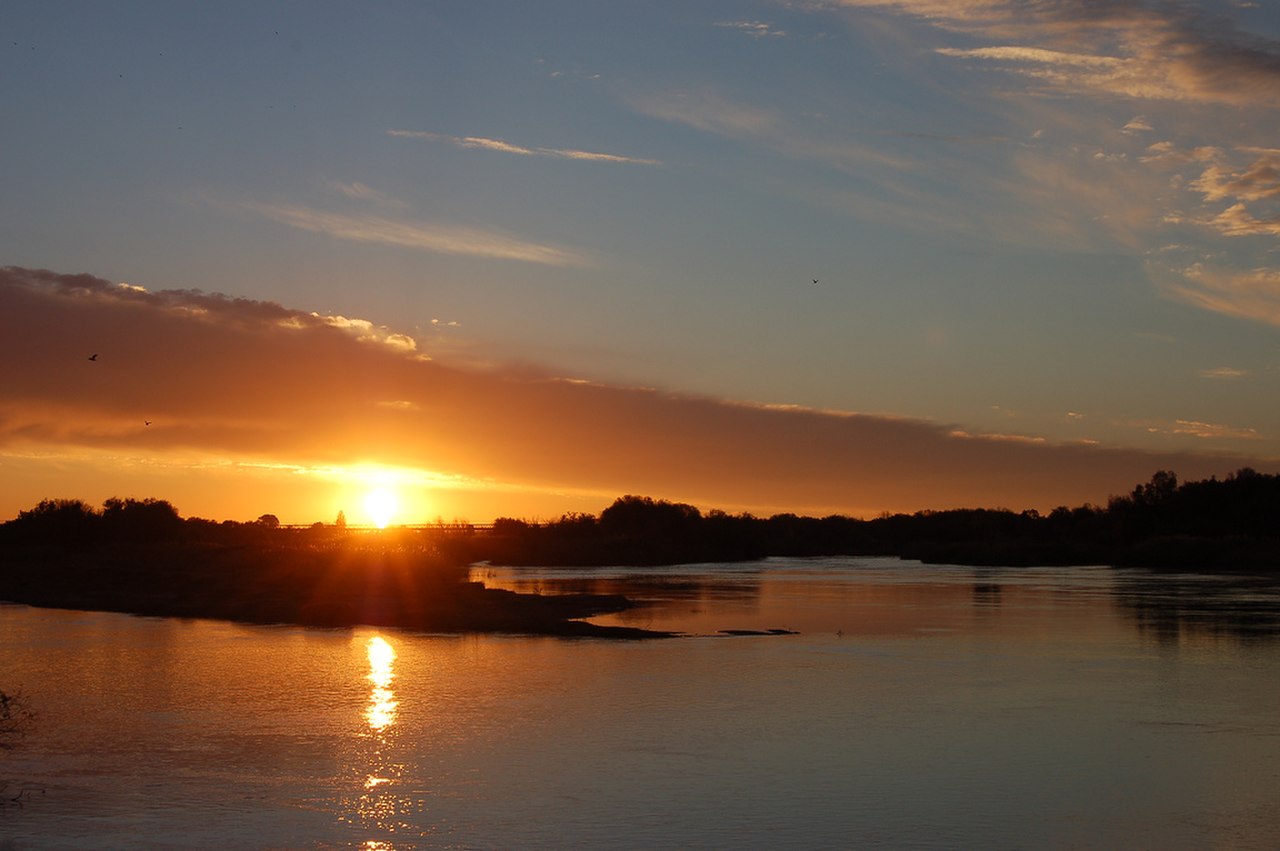
Orange River
The Hydro-Geographic Significance of the Orange River
The Orange River, with its impressive length of approximately 2,200 kilometers, stands as the longest river in South Africa and a critical hydrological feature of the subcontinent. Originating in the Lesotho Highlands within the Drakensberg Mountains, its initial course is characterized by steep gradients and significant elevation changes, contributing to its considerable erosive power. The river's drainage basin covers a substantial area, extending into South Africa and forming a portion of the international border with Lesotho.
Its flow regime is highly variable, influenced by seasonal rainfall patterns and subject to prolonged periods of drought, which necessitate extensive water management infrastructure. The river's mouth, located on the Atlantic coast near Alexander Bay, marks the culmination of its extensive journey, depositing sediment and influencing coastal dynamics.
Economic Engine and Agricultural Backbone
The Orange River is far more than just a waterway; it is a fundamental pillar of South Africa's economy, particularly in its agricultural sector. The development of large-scale irrigation schemes, such as the Orange River Project, has transformed arid and semi-arid regions into productive farmlands. These schemes harness the river's water to cultivate a diverse range of crops, most notably grapes for wine and dried fruit production, as well as citrus fruits and lucerne.
The economic impact extends beyond agriculture, with the river supporting municipal water supplies for numerous towns and cities, and contributing to hydropower generation through dams like the Gariep Dam and the Vanderkloof Dam. This multi-faceted utility underscores the river's indispensable role in regional development and food security.
Ecological Dynamics and Environmental Challenges
Despite its life-giving properties, the Orange River faces significant ecological challenges. The extensive damming and water abstraction for irrigation and urban use have altered its natural flow patterns, impacting downstream ecosystems and sediment transport. These modifications can affect fish migration, riparian vegetation, and the overall health of the riverine environment.
Furthermore, the river flows through regions susceptible to desertification, and its waters can carry dissolved salts and minerals, influencing water quality. Conservation efforts are crucial to mitigate the impacts of human activities, protect the remaining biodiversity, and ensure the sustainable management of this vital water resource for future generations. The river's ecological health is intrinsically linked to the broader environmental stability of the region.
A River of Historical and Cultural Significance
The Orange River has played a pivotal role throughout the history of Southern Africa, influencing human settlement patterns and trade routes for centuries. Its banks have been home to indigenous communities, and its waters have been a source of sustenance and a pathway for exploration. The river's name itself, bestowed by European settlers, reflects a historical connection to the Dutch royal house, the House of Orange-Nassau, highlighting its place in colonial history.
Today, the river continues to be a symbol of national identity and a crucial element in the geopolitical landscape, serving as a natural border and a shared resource. Its enduring presence shapes the cultural narratives and economic aspirations of the regions it traverses.
Go deeper
Based on content from Wikipedia · Licensed under CC BY-SA 4.0