

Oman
Images
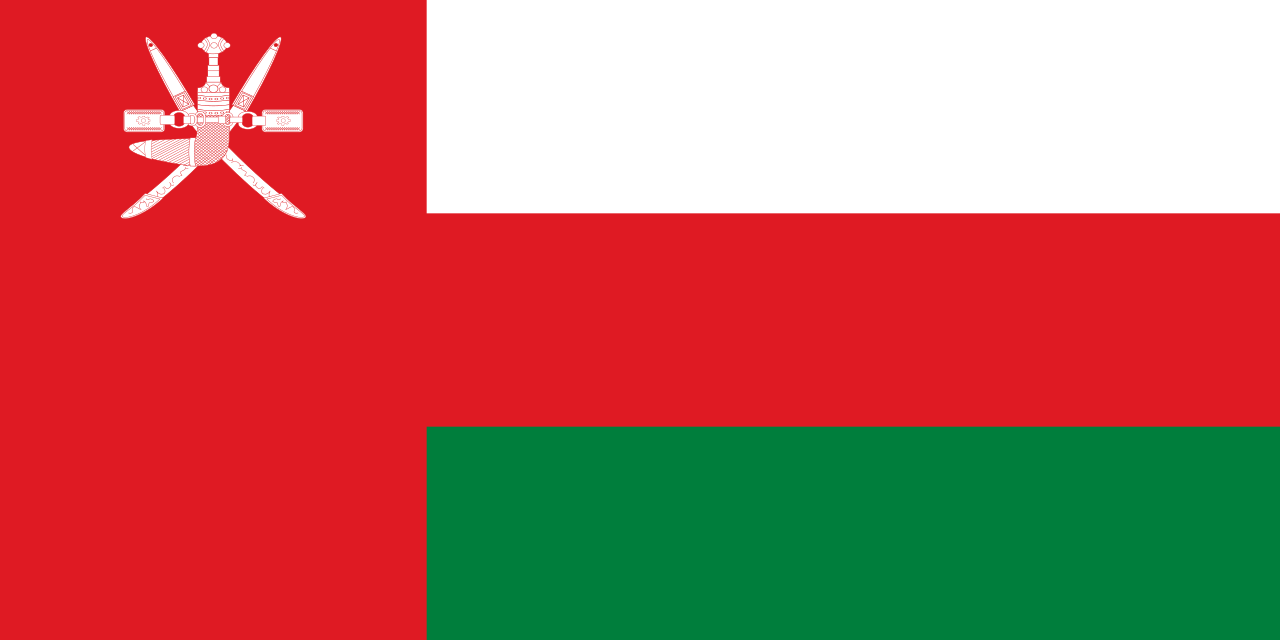
Oman
Opens Google Maps in new tab
Oman's Strategic Geography and Diverse Terrains
Oman occupies a critical geopolitical position on the southeastern periphery of the Arabian Peninsula, bordering the United Arab Emirates, Saudi Arabia, and Yemen. Its extensive coastline, facing the Arabian Sea to the southeast and the Gulf of Oman to the northeast, has historically been a conduit for trade and cultural exchange, and remains strategically vital, particularly with its proximity to the Strait of Hormuz.
The country's geography is remarkably varied, encompassing vast desert expanses like the Rub' al Khali, rugged mountain ranges such as the Hajar Mountains, fertile coastal plains, and significant wadis (riverbeds). These diverse terrains support distinct ecosystems and traditional ways of life, from nomadic herding in the deserts to fishing communities along the coast. The capital, Muscat, serves as the administrative, economic, and cultural nucleus, a city that artfully blends ancient architectural heritage with modern urban development, reflecting Oman's unique identity.
A Legacy of Independence and Imperial Reach
Oman stands as a testament to enduring sovereignty, recognized as the oldest continuously independent state within the Arab world. Its political continuity is anchored by the Al Bu Said dynasty, which has reigned since 1744, providing a remarkable degree of stability. The nation's historical trajectory includes a significant period as a formidable maritime empire.
Following the 16th century, Omani influence and control extended across crucial sea lanes, reaching as far north as present-day Iran and Pakistan, and south to Zanzibar, establishing a vast trading network. This imperial era positioned Oman as a major power in the Indian Ocean and Persian Gulf, competing with European colonial forces. While navigating periods of influence from powers like the British Empire, Oman consistently maintained its de jure independence, a defining characteristic of its national narrative.
Socio-Cultural Fabric and Human Development
The Omani populace is characterized by a profound sense of hospitality and a deep respect for tradition, interwoven with a progressive outlook. Arabic is the official language, but the cultural ethos transcends linguistic barriers, fostering a welcoming environment. Traditional livelihoods, such as fishing and date cultivation, continue to be important, reflecting a strong connection to the nation's natural resources and heritage. Oman's commitment to human development is particularly noteworthy.
The United Nations Development Programme lauded Oman as the most improved country globally in terms of development over the four decades preceding 2010. This recognition underscores significant advancements in living standards, healthcare, and education. Furthermore, Oman consistently ranks high on global peace indices, reflecting a stable and secure society.
Economic Diversification and Global Standing
Oman's economy, classified as high-income by the World Bank, is undergoing a strategic transition towards diversification beyond its significant oil reserves, which rank among the world's largest. Key sectors contributing to this diversification include tourism, leveraging Oman's natural beauty, historical sites, and cultural attractions. The trade of traditional products like fish and dates remains a vital component of the economy, supporting local communities and preserving heritage.
The nation's economic strategy focuses on developing non-oil sectors to ensure long-term prosperity and resilience. This forward-looking approach, combined with its stable political environment, positions Oman as an attractive destination for investment and a significant player in regional economic development.
Governance, Leadership, and International Engagement
Oman operates as an absolute monarchy under the leadership of a Sultan, with succession traditionally following the male line. The reign of Sultan Qaboos bin Said (1970-2020) was transformative, ushering in an era of modernization, improved living standards, the abolition of slavery, and the establishment of a constitutional framework. His successor, Sultan Haitham bin Tariq, continues this legacy of stable governance.
Oman actively engages in international diplomacy and cooperation, holding memberships in key organizations such as the United Nations, the Arab League, the Gulf Cooperation Council, the Non-Aligned Movement, and the Organisation of Islamic Cooperation. This multilateral engagement reflects Oman's commitment to regional stability, peaceful conflict resolution, and constructive international relations.
Go deeper
Frequently Asked Questions
What is Oman famous for in history?+
Where is Oman located?+
What kinds of landscapes can you find in Oman?+
Who has ruled Oman for so long?+
How is Oman growing its economy today?+
Based on content from Wikipedia · Licensed under CC BY-SA 4.0