

Muscat: Oman's Sparkling Capital!
Images
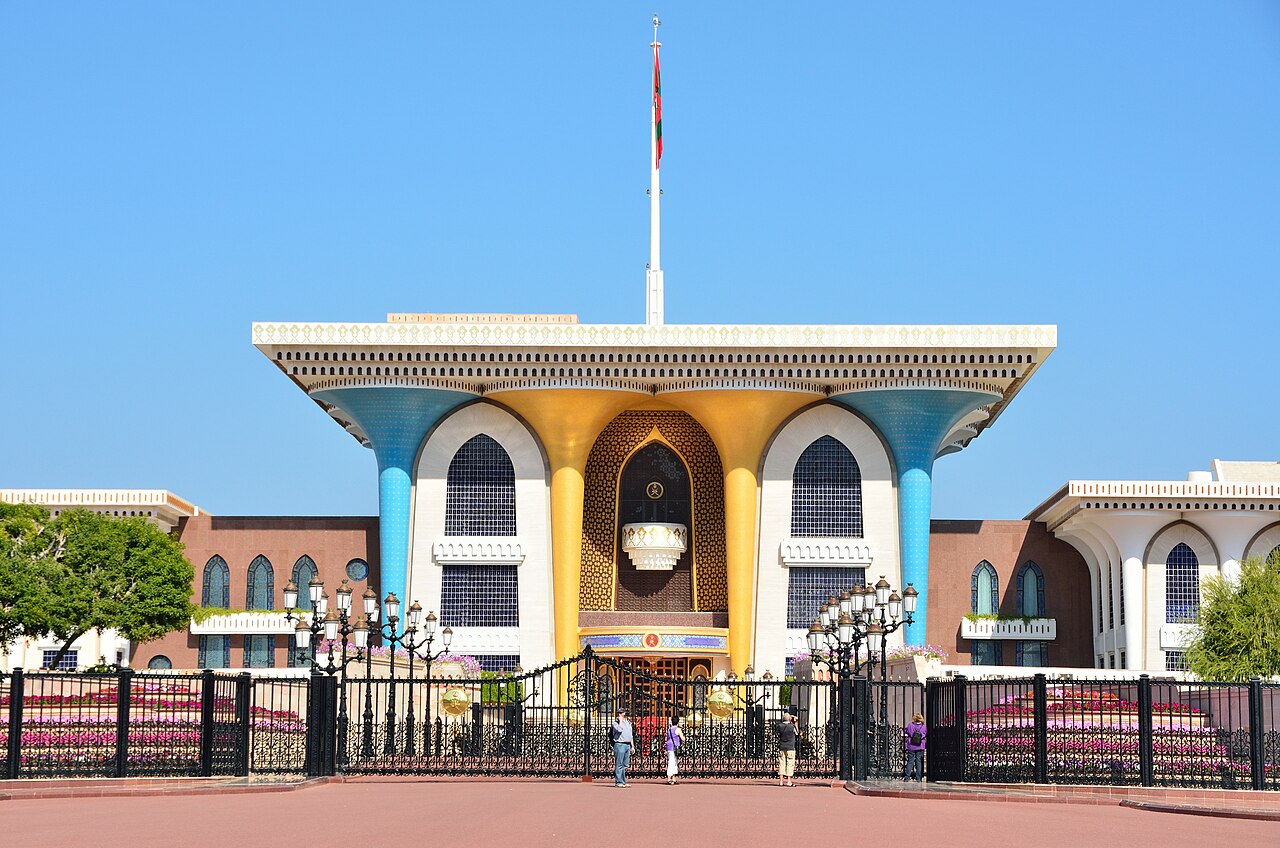
Muscat
Geostrategic Haven
Muscat's identity is inextricably linked to its dramatic geography. Situated on the southeastern coast of the Arabian Peninsula, it occupies a unique position where the formidable Al Hajar Mountains meet the Gulf of Oman. This natural amphitheater provides a sheltered harbor, historically vital for maritime trade and defense.
The city's arid climate is characterized by extreme summer heat, tempered somewhat by coastal breezes, and mild winters. Its sprawling urban layout, encompassing distinct historical and modern districts, reflects centuries of development shaped by these geographical constraints and advantages. The mountainous backdrop not only offers scenic beauty but also influences the city's microclimate and provides natural resources, while its coastal access has historically dictated its role as a gateway between the Arabian interior and the wider Indian Ocean world.
From Ancient Anchorage to Imperial Capital
The history of Muscat is a rich tapestry woven from its strategic importance as a port. Evidence suggests settlement dating back millennia, but its prominence surged in the early Islamic period and dramatically in the 16th century with Portuguese colonization. The Portuguese fortified the city, constructing iconic forts like Al Jalali and Al Mirani, remnants of which still dominate the harbor entrance, symbolizing a period of intense naval competition.
Following their expulsion, Muscat became the capital of the Omani Empire, a vast maritime power that, at its zenith in the 19th century, controlled territories in East Africa, including Zanzibar. This era cemented Muscat's status as a major hub for trade in goods like frankincense, dates, ivory, and slaves. The city has since navigated periods of Omani rule, British influence, and ultimately, its transformation into the modern capital under the Al Said dynasty, preserving its historical core while embracing modernization.
Cultural Synthesis and Economic Dynamism
Muscat is a vibrant embodiment of Omani culture, characterized by a blend of traditional Islamic heritage and contemporary influences. The Sultan Qaboos Grand Mosque, inaugurated in 2001, is a paramount symbol of modern Omani architectural prowess and religious devotion, capable of accommodating over 20,000 worshippers. The Mutrah Souq, one of the oldest marketplaces in the Arab world, offers an immersive experience into traditional commerce, with its aromatic spices, intricate silverwork, and textiles.
Beyond its cultural landmarks, Muscat functions as Oman's primary economic engine. While historically reliant on maritime trade, its modern economy is significantly bolstered by the oil and gas sector. However, diversification efforts are evident, with growing emphasis on tourism, logistics, and services, supported by significant investments in infrastructure like the Port of Sultan Qaboos and Muscat International Airport.
The city's population, approximately 1.4 million, reflects a diverse mix of Omani citizens and expatriate workers.
Governance, Urban Development, and Education in the Capital
As the capital of the Sultanate of Oman, Muscat is the administrative and political heart of the nation. It is the seat of the Sultan, the government ministries, and key national institutions. The city's urban development reflects a careful balance between preserving its historical character and accommodating modern growth.
Traditional low-rise architecture, particularly in areas like Old Muscat, coexists with contemporary commercial and residential developments. Significant investment has been channeled into infrastructure, including transportation networks, utilities, and public spaces, aiming to enhance livability and economic competitiveness. Education is a cornerstone of Muscat's development strategy, highlighted by the presence of Sultan Qaboos University, the nation's premier institution of higher learning, alongside numerous public and private schools catering to a growing student population.
This focus on education is crucial for fostering a skilled workforce and driving the nation's future progress.
Go deeper
Frequently Asked Questions
What makes Muscat a special place to live?+
Why are there forts like Al Jalali and Al Mirani in Muscat?+
How does Muscat's climate feel during summer and winter?+
What can you find in the Mutrah Souq?+
What is the Sultan Qaboos Grand Mosque known for?+
Based on content from Wikipedia · Licensed under CC BY-SA 4.0