

Oberstdorf: Germany's Super Snowy Town!
Images

2025-12-13 Deutsche Meisterschaften im Eiskunstlaufen 2026 in Oberstdorf by Sandro Halank–810



Geographical Determinants of Oberstdorf's Identity
Oberstdorf's identity is inextricably linked to its extreme geographical position as Germany's southernmost municipality, situated within the imposing Bavarian Alps. This high-altitude location dictates its climate, characterized by significant snowfall in winter and cooler summers compared to lower elevations. The dramatic topography, featuring prominent peaks such as the Nebelhorn and Fellhorn, provides not only breathtaking vistas but also the foundational landscape for its primary economic drivers: winter and summer sports.
The town's elevation contributes to its status as one of Germany's highest-lying towns, influencing everything from local flora and fauna to the types of infrastructure that can be sustainably developed. The presence of a prominent church spire serves as a crucial navigational landmark in this complex terrain, underscoring the human adaptation to the natural environment.
The Evolution of an Alpine Tourist Hub
While the provided text doesn't detail Oberstdorf's historical development, its current status as a renowned skiing and hiking town implies a long-standing relationship with tourism. Historically, alpine regions often developed around agriculture or mining, with tourism emerging as a later, often more lucrative, industry. The town's infrastructure, such as the Nebelhorn cable car and the Heini-Klopfer-Skiflugschanze (ski flying hill), represents significant investment in making the challenging alpine terrain accessible and attractive to visitors.
The ski flying hill, in particular, suggests a history of hosting high-level sporting events, which would have boosted the town's profile and economic activity over time. The unique diagonal elevator at the ski jump is a testament to innovative engineering aimed at enhancing visitor experience and access to iconic sporting venues.
Economic Pillars
The economy of Oberstdorf is overwhelmingly dominated by tourism, capitalizing on its exceptional natural assets. As a major center for skiing and hiking, the town attracts a consistent flow of visitors throughout the year. This reliance on tourism generates employment in hospitality, retail, transportation, and sports-related services.
The development of world-class facilities, such as the ski flying hill, not only draws tourists but also positions Oberstdorf as a significant venue for international sporting competitions, further enhancing its global recognition and economic impact. The town's economic strategy is clearly centered on preserving its pristine alpine environment while maximizing its potential for recreational use, a model often referred to as sustainable tourism or eco-tourism.
Cultural Fabric and Community Life
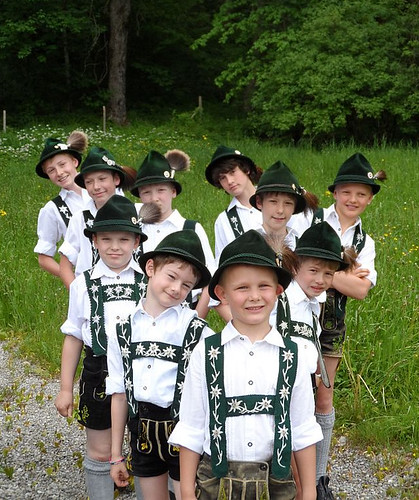
The culture of Oberstdorf is deeply interwoven with its alpine setting and its role as a tourist destination. Traditional Bavarian customs likely persist, influenced by the region's history and the seasonal rhythms of mountain life. The community's identity is shaped by its connection to nature, the demands of the tourism industry, and the shared experience of living in a high-altitude environment.
The central church serves as a focal point for community life, a common feature in many European towns. The town's ability to attract and cater to a diverse range of visitors suggests a sophisticated understanding of hospitality and a well-integrated local population that supports the tourism sector. This creates a unique socio-economic dynamic where local traditions and modern recreational pursuits coexist.
Governance and Education in an Alpine Context
As a municipality in Germany, Oberstdorf operates under the federal and state (Bavarian) governmental structures. Local governance would be responsible for managing public services, infrastructure development, zoning, and environmental protection, all critical in an alpine region prone to natural hazards and subject to environmental regulations. The town's high population of tourists necessitates specific considerations in public service provision and safety management.
For education, Oberstdorf would have local schools catering to its resident population, likely following the Bavarian curriculum. The presence of a significant tourism industry might also foster vocational training programs related to hospitality and outdoor recreation, equipping young residents with skills relevant to the local economy. The town's unique geographical and economic context would undoubtedly inform the educational priorities and opportunities available to its students.
See also
Frequently Asked Questions
What makes Oberstdorf a special place for skiing and hiking?+
Why does Oberstdorf get so much snow in winter?+
How do people get to the top of the Nebelhorn mountain?+
What is the Heini-Klopfer-Skiflugschanze and why is it famous?+
How does Oberstdorf keep its mountains clean while many tourists visit?+
Based on content from Wikipedia · Licensed under CC BY-SA 4.0