

Summer
Images
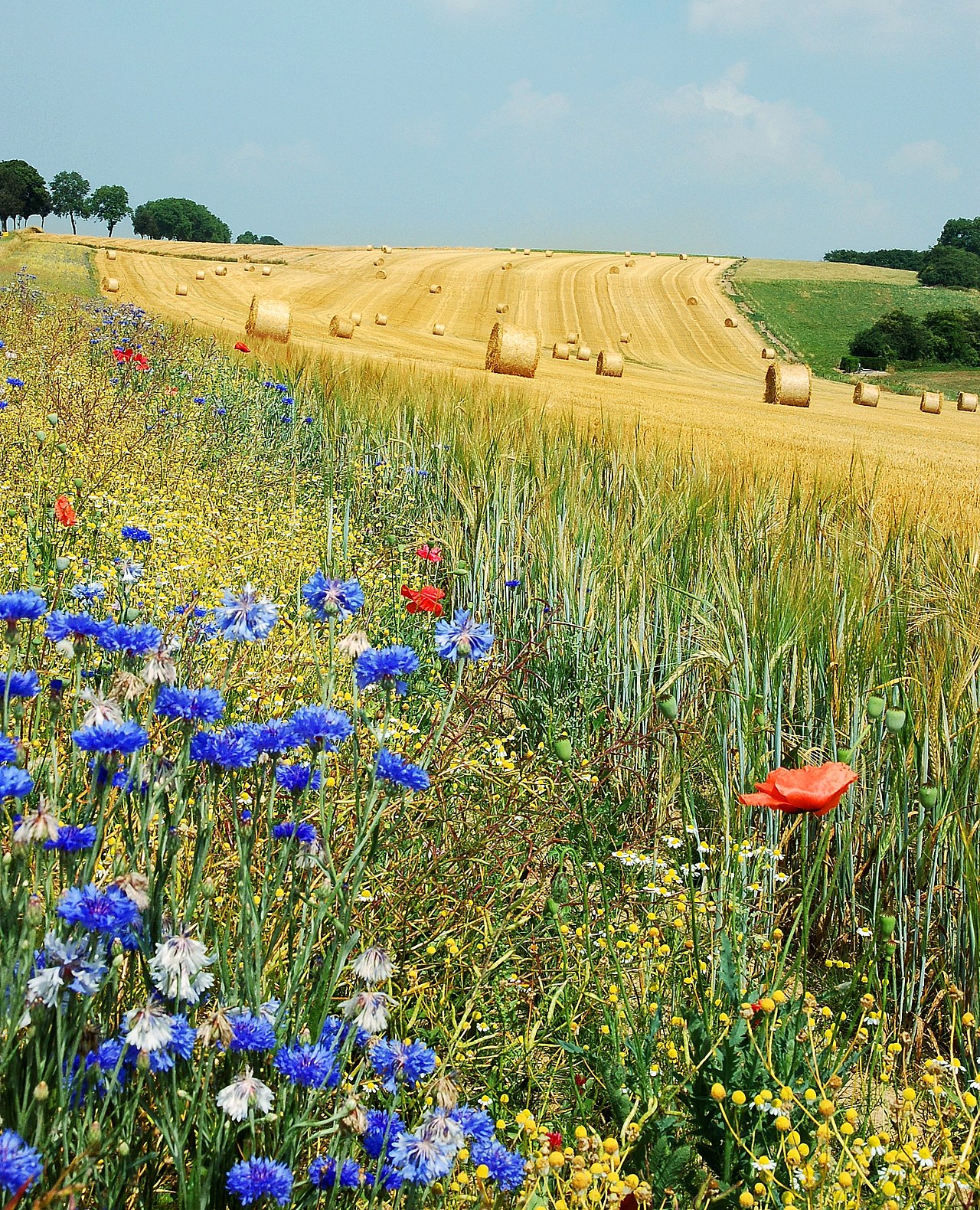
Summer
The Celestial Mechanics of Summer
Summer, as one of the four temperate seasons, is fundamentally an astronomical event dictated by Earth's axial tilt and its orbit around the Sun. Occurring after spring and preceding autumn, summer is characterized by the longest daylight hours and shortest darkness hours. This phenomenon is most pronounced at or around the summer solstice, typically occurring on June 20 or 21 in the Northern Hemisphere and December 21 or 22 in the Southern Hemisphere.
On this day, the Sun reaches its highest point in the sky, and the hemisphere tilted towards the Sun receives the most direct solar radiation. Following the solstice, the duration of daylight begins to decrease, marking a gradual transition towards autumn. The definition of summer's commencement can vary; meteorological definitions often place it in June, July, and August for the Northern Hemisphere, while astronomical definitions align with the solstices and equinoxes.
This celestial dance ensures a predictable cycle of warming and cooling across the globe.
Ecological Imperatives and Summer's Role
Summer is a period of intense biological activity, serving as a critical engine for Earth's ecosystems. The extended photoperiod and elevated temperatures are paramount for plant growth and reproduction. Photosynthesis, the process by which plants convert light energy into chemical energy, is maximized, leading to significant biomass production. This surge in plant life forms the base of the food web, supporting herbivores and subsequently carnivores.
For many species, summer is the primary breeding and rearing season, offering optimal conditions for offspring survival, including abundant food resources and favorable weather. This period is also crucial for the maturation of fruits and seeds, ensuring the propagation of plant species. Human societies are deeply intertwined with these ecological rhythms, relying on summer harvests for sustenance and engaging in activities that foster physical and mental well-being, often linked to outdoor recreation and a connection with the natural world.
The Global Dichotomy
A fundamental aspect of summer is its inverse relationship with winter in opposite hemispheres. While the Northern Hemisphere basks in the extended daylight and warmth of summer, the Southern Hemisphere experiences the opposite extreme: winter. This occurs because Earth's axis is tilted at approximately 23.5 degrees relative to its orbital plane.
As Earth orbits the Sun, different hemispheres are tilted towards or away from the Sun. When the Northern Hemisphere is tilted towards the Sun, it receives more direct sunlight, leading to summer. Simultaneously, the Southern Hemisphere is tilted away, receiving less direct sunlight and experiencing shorter days, resulting in winter.
This global seasonal dichotomy is a constant, predictable phenomenon that shapes climate, biodiversity, and human activities across the planet. Understanding this interplay is key to comprehending global weather patterns and ecological adaptations.
Cultural Narratives and the Summer Experience
Across human history and diverse cultures, summer has been imbued with profound symbolic meaning and celebrated through a myriad of traditions. Many ancient civilizations observed the summer solstice with elaborate rituals, often venerating the sun as a life-giving deity and recognizing its peak power. These celebrations frequently marked periods of abundance, fertility, and renewal.
In contemporary society, summer is widely associated with leisure, vacation, and a departure from routine. It is a time for travel, outdoor festivals, sporting events, and social gatherings, fostering a sense of community and shared experience. The shift in daylight and temperature influences human behavior, encouraging more time spent outdoors and a greater emphasis on relaxation and personal pursuits.
The cultural significance of summer reflects its fundamental role in the natural cycles that sustain life.
Summer's Influence on Human Endeavor
The arrival of summer has historically influenced human endeavors, from agriculture to exploration and even warfare. The agricultural calendar is intrinsically linked to summer's warmth and rainfall, dictating planting and harvesting cycles that have shaped human settlements and economies for millennia. The longer days provided extended working hours for farmers and laborers.
In terms of exploration, favorable summer weather in certain regions facilitated voyages and expeditions that might have been perilous during other seasons. Even military campaigns have often been timed to coincide with summer months to take advantage of better conditions for troop movement and supply. Today, the economic impact of summer is significant, with industries like tourism, hospitality, and outdoor recreation experiencing peak activity.
The season's influence continues to shape our daily lives, our economies, and our cultural expressions.
Go deeper
Frequently Asked Questions
What causes summer to happen?+
When is the summer solstice?+
Why do plants grow so much in summer?+
How does summer affect animals?+
Why is it winter in the Southern Hemisphere when it's summer in the North?+
Based on content from Wikipedia · Licensed under CC BY-SA 4.0