

Laos
Images
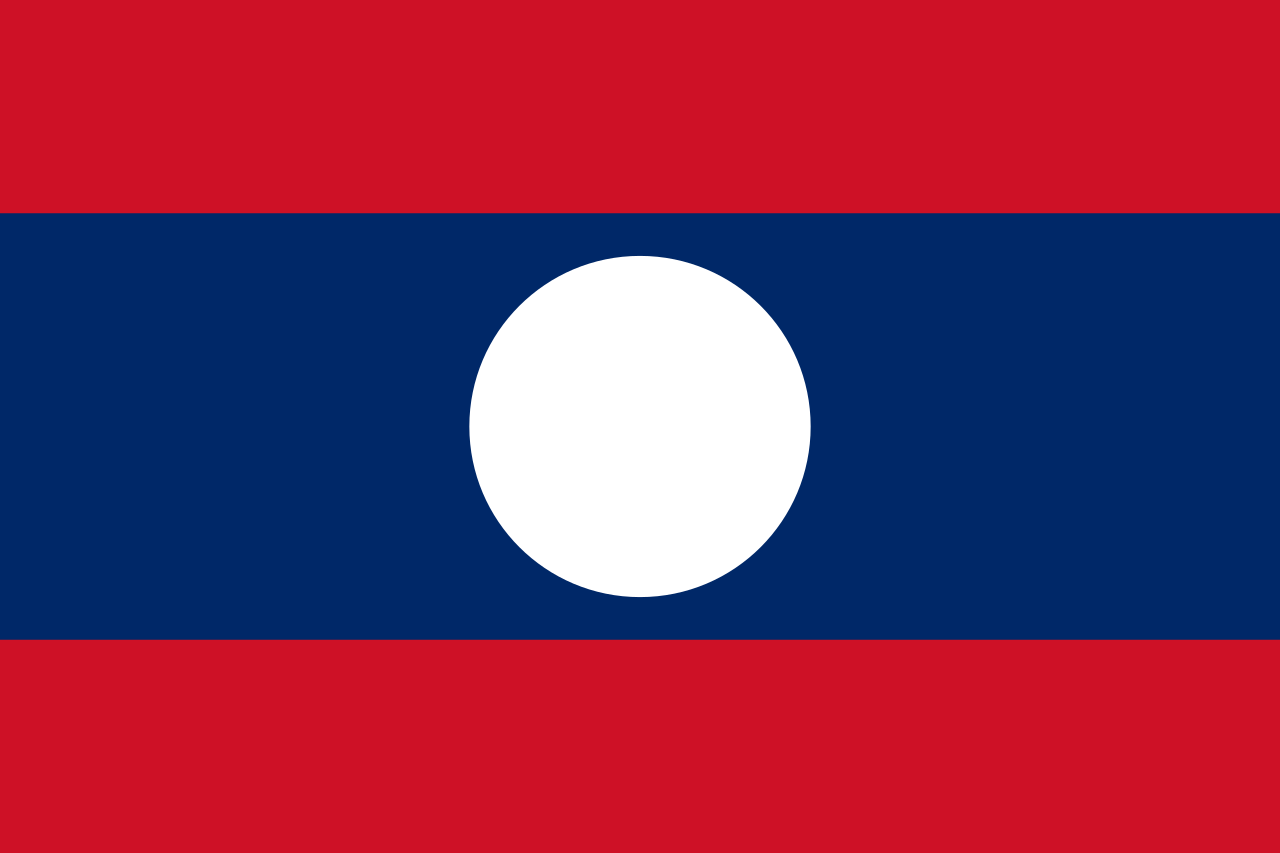
Laos
Opens Google Maps in new tab
Geopolitical Landscape
Laos, officially the Lao People's Democratic Republic, occupies a distinctive position in Southeast Asia as the region's sole landlocked nation. This geographical reality profoundly influences its economic development and foreign relations. Bordered by China and Myanmar to the northwest, Vietnam to the east, Cambodia to the southeast, and Thailand to the west and southwest, Laos is strategically situated within the Indochinese Peninsula.
Its landscape is predominantly mountainous and forested, bisected by the vital Mekong River, which serves as a crucial artery for transportation and commerce. The tropical climate features distinct wet and dry seasons, supporting a rich biodiversity and agricultural productivity, particularly rice cultivation. The capital, Vientiane, is the nation's administrative and economic hub, though the country is characterized by a network of smaller towns and rural communities that preserve traditional ways of life.
The landlocked status presents both challenges, such as limited access to international shipping routes, and opportunities, particularly in developing cross-border infrastructure and becoming a transit hub.
A Chronicle of Kingdoms and Transitions
The historical narrative of Laos is deeply rooted in the legacy of the Lan Xang kingdom, established in the 13th century and meaning 'Land of a Million Elephants.' Lan Xang thrived as a significant center for overland trade, connecting various regional powers. However, internal divisions led to its fragmentation into three successor kingdoms by 1707: Luang Prabang, Vientiane, and Champasak. The late 19th century saw these entities unified under French protection, becoming part of French Indochina in 1893.
During World War II, Laos experienced Japanese occupation before regaining a semblance of autonomy. Full independence was achieved in 1953 as the Kingdom of Laos under a constitutional monarchy. The subsequent decades were marked by a devastating civil war (1959-1975), pitting the communist Pathet Lao against the Royal Lao Armed Forces.
The conflict concluded with the establishment of the Lao People's Democratic Republic in 1975, which aligned closely with the Soviet Union until its dissolution. This complex history underscores Laos's resilience and its ongoing journey to define its national identity and geopolitical role.
Cultural Mosaic
Laotian culture is a rich tapestry woven with threads of Theravada Buddhism, ancient traditions, and historical influences. Buddhism permeates daily life, evident in the numerous ornate temples, particularly in Luang Prabang, a UNESCO World Heritage Site renowned for its spiritual ambiance and well-preserved architecture. This city exemplifies the unique blend of traditional Lao design and French colonial influences found across the country. Lao society is characterized by strong community ties, a gentle demeanor, and a deep respect for elders.
Traditional arts, including intricate weaving, silversmithing, and performing arts like the Lam song (folk singing), are integral to cultural expression and are often showcased during vibrant festivals. The concept of 'sabai dee,' signifying contentment and well-being, reflects a core aspect of the Laotian philosophy. The nation's cultural heritage is a source of pride and a key element in its identity, carefully preserved amidst modernization.
Economic Trajectory
Laos is actively pursuing economic development with a strong emphasis on regional connectivity. The completion of the Laos-China Railway in 2021 is a landmark achievement, significantly enhancing trade and tourism by linking Vientiane directly to Kunming, China. This project is part of a broader strategy to transform Laos into a land-linked hub rather than a landlocked nation.
The country participates in initiatives like the Greater Mekong Subregion program, focusing on infrastructure and energy projects. The World Bank has recognized Laos as one of the fastest-growing economies in Southeast Asia and the Pacific, with consistent GDP growth driven by tourism, energy exports (hydropower), and foreign investment. Despite this progress, Laos remains classified as a least developed country by the United Nations.
Its economic strategy involves embracing market-oriented reforms while maintaining its political system, aiming for sustainable development and improved living standards for its population.
Governance and Modernization
As one of the world's few remaining communist states, Laos operates under a single-party system, governed by the Lao People's Revolutionary Party (LPRP) since 1975. The country identifies as a people's democratic state, a designation that reflects its political ideology. While maintaining its socialist framework, Laos has implemented market-oriented economic reforms, a strategy often referred to as 'Doi Moi' (renovation) in a broader regional context.
This dual approach aims to foster economic growth and integrate into the global economy while preserving political stability. Laos is an active member of regional and international organizations, including ASEAN, the Asia-Pacific Trade Agreement, the East Asia Summit, La Francophonie, and the World Trade Organization. These memberships facilitate diplomatic engagement, trade partnerships, and participation in global development initiatives.
The government's development strategy prioritizes infrastructure, particularly transportation networks, to enhance its connectivity and economic potential.
Go deeper
Frequently Asked Questions
What is Laos and where is it located?+
Why is Laos called the Land of a Million Elephants?+
How do people in Laos travel and trade?+
What makes Luang Prabang special?+
What are some traditional arts in Laos?+
Based on content from Wikipedia · Licensed under CC BY-SA 4.0