

Yangon
Images
Yangon
Geopolitical Significance and Environmental Dynamics
Yangon's geographical positioning is fundamental to its historical and ongoing importance. Situated in the fertile Irrawaddy Delta, it benefits from a tropical monsoon climate characterized by distinct wet and dry seasons, fostering rich agricultural output, particularly rice cultivation, which underpins Myanmar's economy. The city's location on the confluence of the Yangon and Pazundaung rivers, leading to the Gulf of Martaban, has historically established it as Myanmar's premier deep-water port.
This maritime access has been crucial for both internal trade, connecting the delta to the hinterlands, and external commerce, facilitating the export of agricultural products and raw materials. The urban sprawl of Yangon is a testament to its population density, making it a critical center for infrastructure, transportation networks, and resource management within the country. Environmental challenges, such as urban flooding exacerbated by climate change and the need for sustainable urban planning, are increasingly significant considerations for the city's future.
From Ancient Port to Modern Metropolis
The historical narrative of Yangon is one of continuous evolution and strategic importance. Originally known as Dagon, it was a modest fishing village and religious site centered around the Shwedagon Pagoda. Its transformation into a significant urban center began in earnest after the First Anglo-Burmese War, when the British captured it in 1824 and renamed it Rangoon.
Under British administration, it was meticulously planned and developed into the capital of British Burma, becoming a major commercial hub and a key port for the export of rice and timber. The city's architecture bears the indelible imprint of this colonial era, with numerous Victorian and Edwardian buildings still standing, contributing to its unique urban character. Yangon served as the capital until 2006, when the government relocated to Naypyidaw, a move that shifted its political status but not its economic or cultural preeminence.
The city has been a focal point for nationalist movements and periods of political upheaval, reflecting its central role in Myanmar's modern history.
Cultural Tapestry and Spiritual Anchor
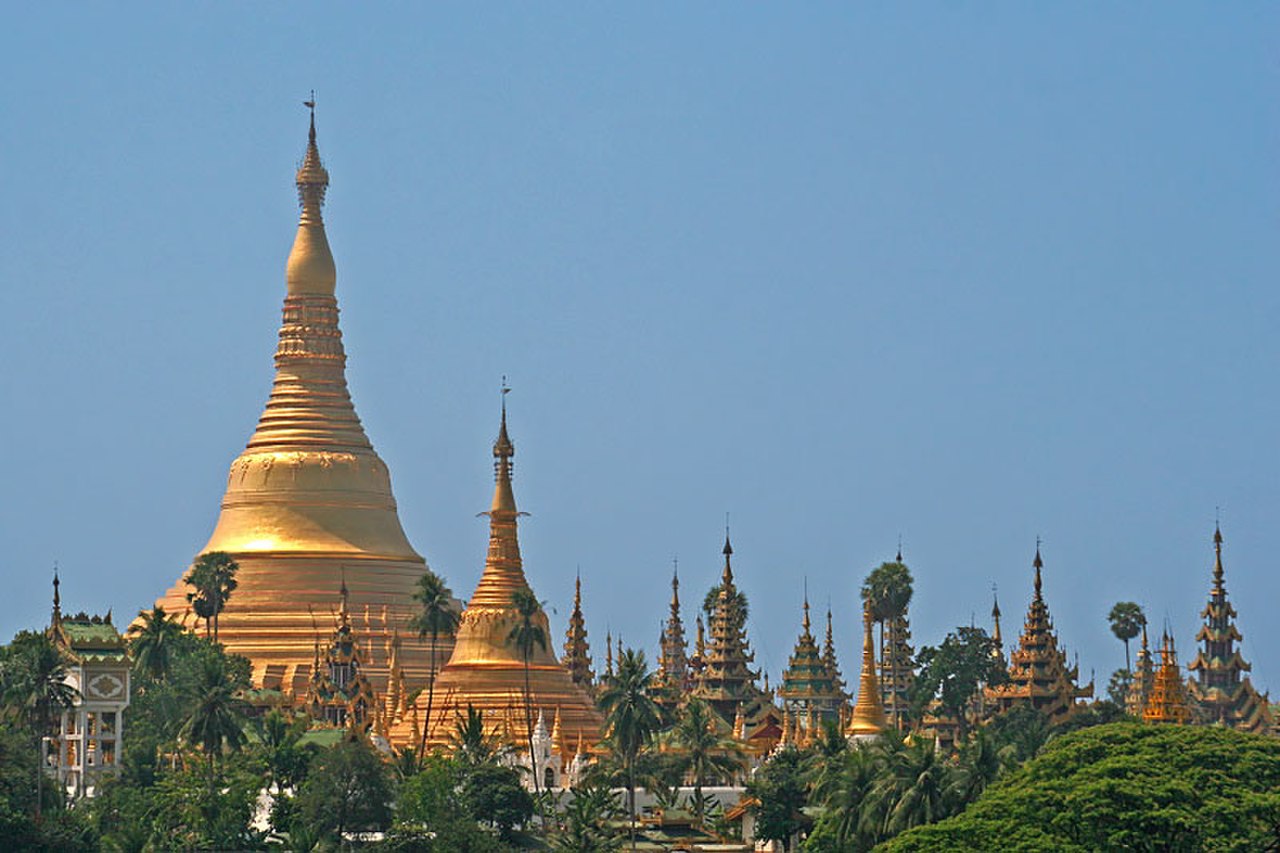
Yangon is a vibrant mosaic of Myanmar's diverse ethnic and religious communities. While Burmese is the lingua franca, numerous indigenous languages are spoken, reflecting the nation's complex ethnic composition. The city's spiritual heart is undeniably the Shwedagon Pagoda, a magnificent golden stupa that is one of Buddhism's most sacred sites.
Its sheer scale and opulence, adorned with countless gold plates, diamonds, and other precious gems, make it a breathtaking spectacle and a profound center of pilgrimage. Beyond this iconic landmark, Yangon is home to numerous other Buddhist temples, as well as significant Christian churches, Hindu temples, and Muslim mosques, illustrating a history of religious coexistence. Daily life is characterized by the energy of its street life, from bustling markets like Bogyoke Aung San Market, offering traditional crafts and gems, to the ubiquitous street food vendors.
The city's cultural dynamism is further expressed through its performing arts, literature, and burgeoning film industry.
Economic Powerhouse and Global Connectivity
Yangon functions as the undisputed economic powerhouse of Myanmar. Despite the relocation of the capital, it remains the country's primary commercial and financial center. Its port facilities are critical for international trade, handling a substantial portion of Myanmar's imports and exports, particularly agricultural commodities, timber, and manufactured goods.
The city is a magnet for foreign investment, especially in sectors like manufacturing, telecommunications, and real estate. Yangon hosts the headquarters of most major Myanmar corporations and financial institutions. The informal economy is also robust, with vibrant street markets and small businesses contributing significantly to livelihoods.
The city's economic trajectory is closely tied to Myanmar's broader economic reforms and its integration into the global economy, presenting both opportunities and challenges related to development, infrastructure, and equitable growth.
Governance and Urban Development
Although no longer the national capital, Yangon retains significant administrative functions as the chief minister of the Yangon Region government oversees its local governance. The city operates under a regional government structure, responsible for urban planning, public services, and local economic development initiatives. Key challenges include managing rapid urbanization, improving public transportation infrastructure, ensuring adequate housing, and addressing environmental sustainability.
The city's development is often a reflection of national policies and international engagement, with ongoing projects aimed at modernizing infrastructure, enhancing connectivity, and improving the quality of life for its residents. The interplay between national government directives and regional autonomy shapes the ongoing evolution of Yangon's governance and its physical landscape.
Go deeper
Frequently Asked Questions
What is Yangon known for?+
Why is the Shwedagon Pagoda special?+
How did Yangon become a big city?+
Where does Yangon get its food?+
What kinds of people live in Yangon?+
Based on content from Wikipedia · Licensed under CC BY-SA 4.0