

Mount Nebo
Images

directions from mount nebo


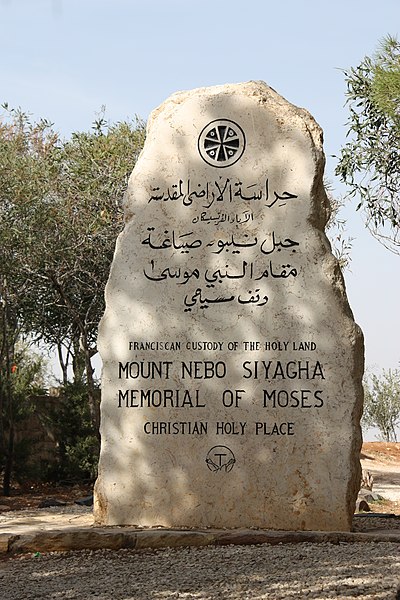


Geological Prominence and Strategic Vantage
Mount Nebo is not merely a solitary peak but a prominent ridge within the Abarim mountain range, an elevated geological formation in Jordan. Its elevation of approximately 700 meters (2,300 feet) above sea level is crucial to its identity. This height provides an unparalleled strategic vantage point, offering a sweeping panorama of the surrounding landscape.
The ridge's geological structure allows for extensive visibility across the Jordan River valley, a natural border separating different regions. The climate here, typical of elevated arid regions, offers clear skies for much of the year, enhancing the visual reach from its summit. This geographical feature has made it a place of observation and contemplation for millennia.
Theological Significance
The paramount importance of Mount Nebo in religious history stems from its mention in the Hebrew Bible and the Christian Old Testament. It is famously identified as the location from which Moses was granted a divine vision of the Promised Land before his death. This narrative positions Mount Nebo as a site of profound theological significance, marking the culmination of Moses' leadership and the anticipation of his people's inheritance.
The biblical account imbues the mountain with a sacred aura, drawing pilgrims and scholars seeking to connect with this pivotal moment in religious history. The very act of viewing the land from this height symbolizes a transition and a fulfillment of divine promises.
A Panoramic Tapestry of the Levant
The view from Mount Nebo's summit is a breathtaking geographical tableau. It offers a commanding perspective over the Jordan River valley, a historically and geographically vital corridor. Across this valley, the West Bank is clearly visible, a constant reminder of the region's complex political and geographical divisions.
The ancient city of Jericho, one of the oldest continuously inhabited cities in the world, is typically discernible. On exceptionally clear atmospheric conditions, the distant silhouette of Jerusalem, a city of immense religious and historical importance to Judaism, Christianity, and Islam, can be seen. This expansive vista transforms the mountain into a natural observatory, linking past and present through its enduring landscape.
Echoes of Antiquity
The historical footprint of Mount Nebo extends beyond the summit itself. The biblical town of Nebo, referenced in ancient texts, is located approximately 3.5 kilometers (2.1 miles) away. This site is now identified as Khirbet al-Mukhayyat.
The presence of ancient settlements in close proximity to the mountain underscores its long-standing role as a significant location within the region. These archaeological remnants provide tangible evidence of human habitation and activity that have occurred in the shadow of Mount Nebo for centuries, adding layers of historical depth to its spiritual and geographical prominence. Visiting these sites offers a more complete understanding of the area's past.
Modern Relevance and Enduring Appeal
Today, Mount Nebo continues to be a site of pilgrimage and tourism, drawing visitors from around the globe. Its biblical narrative, combined with its stunning natural beauty, makes it a unique destination. Modern structures, including a church and memorial, have been erected on the summit, further enhancing its status as a place of reflection and remembrance.
The ongoing visibility of the West Bank and Jerusalem from its heights also imbues the mountain with contemporary relevance, serving as a constant visual reminder of the region's geopolitical landscape. Mount Nebo remains a powerful symbol, connecting ancient faith with the enduring geography of the Holy Land.
See also
Based on content from Wikipedia · Licensed under CC BY-SA 4.0