

Moskva River
Images
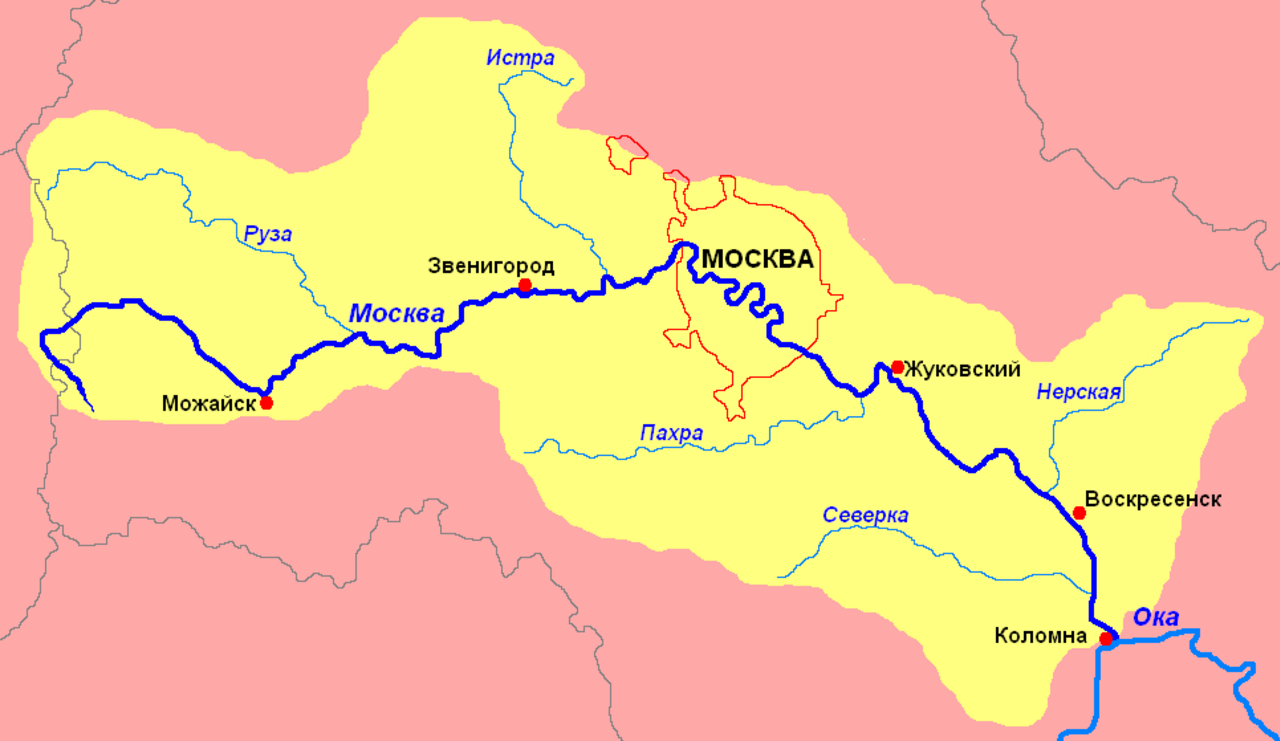
Moskva river


Hydrological Characteristics and Regional Influence
The Moskva River, a significant tributary of the Oka River, originates in the Valdai Hills, specifically within the Smolensk Highlands, at an elevation of approximately 220 meters (720 feet). Its course spans roughly 502 kilometers (312 miles), traversing the Moscow Oblast and the federal city of Moscow before merging with the Oka near Kolomna. The river's basin covers an area of about 17,900 square kilometers (6,900 square miles).
Its hydrological regime is characterized by a high-water period in spring, with significant ice cover typically from late November to early April. The average discharge near Moscow is around 150 cubic meters per second (5,300 cubic feet per second). The river's flow has been significantly regulated through a system of dams and canals, notably the Moscow Canal, which connects it to the Volga River, thereby integrating it into Russia's vast inland waterway system and enhancing its navigability and water supply capabilities.
A Cradle of Civilization and Imperial Power
The Moskva River has been intrinsically linked to the development of Moscow since its earliest settlements. Archaeological evidence suggests human activity along its banks dating back thousands of years. Its strategic location, offering both water resources and natural defenses, made it an ideal site for the establishment of a fortified settlement, which would eventually grow into the sprawling metropolis of Moscow.
Throughout the medieval period, the river served as a crucial artery for trade and communication, facilitating the expansion of the Grand Duchy of Moscow. It was a vital route for military campaigns and the movement of goods, contributing to the city's economic and political dominance. The river's presence is woven into the fabric of Moscow's historical narrative, from the tsarist era to the Soviet period and into modern times, witnessing pivotal moments in Russian history.
Cultural Iconography and Artistic Inspiration
The Moskva River is more than a geographical feature; it is a potent cultural symbol deeply embedded in Russian art, literature, and national identity. Its picturesque banks have inspired countless painters, poets, and writers, capturing its changing moods and its enduring presence in the lives of Muscovites. From romantic depictions of moonlit waters to scenes of bustling river traffic, the Moskva has served as a muse for generations.
Iconic landmarks situated along its course, such as the Kremlin, Red Square, and numerous historic cathedrals, are inextricably linked to the river, forming a visual panorama that defines Moscow's character. The river's presence in popular culture, including songs and films, further solidifies its status as a beloved and recognizable element of the Russian cultural landscape.
Economic Engine and Transportation Artery
The Moskva River plays a multifaceted role in the contemporary economy of Moscow and the surrounding region. As a navigable waterway, it is a critical component of Russia's inland water transport system, facilitating the movement of bulk cargo such as coal, construction materials, and grain. The Moscow Canal, connecting the Moskva to the Volga, significantly enhances its economic utility, allowing for year-round navigation and access to major industrial centers and ports.
Beyond freight transport, the river is a significant source of water for industrial processes and municipal water supply for the greater Moscow metropolitan area, supporting millions of inhabitants and numerous businesses. Furthermore, the riverbanks have been extensively developed for recreational purposes, including parks, promenades, and tourist attractions, contributing to the city's appeal and generating revenue through tourism and leisure activities.
Governance and Environmental Stewardship
The management and preservation of the Moskva River fall under the purview of various governmental bodies, primarily at the federal and municipal levels within Russia. The Moscow Canal, a monumental engineering feat, is managed by the Federal Agency for Maritime and River Transport. Environmental protection and water quality monitoring are critical aspects of governance, given the river's dense urban setting and its importance as a water source.
Efforts are continuously made to mitigate pollution from industrial and municipal sources, improve wastewater treatment, and maintain the ecological health of the river and its tributaries. The river's status as a vital resource necessitates ongoing investment in infrastructure, such as dredging and bank stabilization, to ensure its continued navigability and environmental integrity for future generations.
Go deeper
Frequently Asked Questions
Where does the Moskva River start?+
How long is the Moskva River?+
Which famous city does the Moskva River flow through?+
Why is the Moskva River important for Moscow?+
What is the Moscow Canal and why is it special?+
Based on content from Wikipedia · Licensed under CC BY-SA 4.0