

Montevideo: South America's Sunny City!
Images
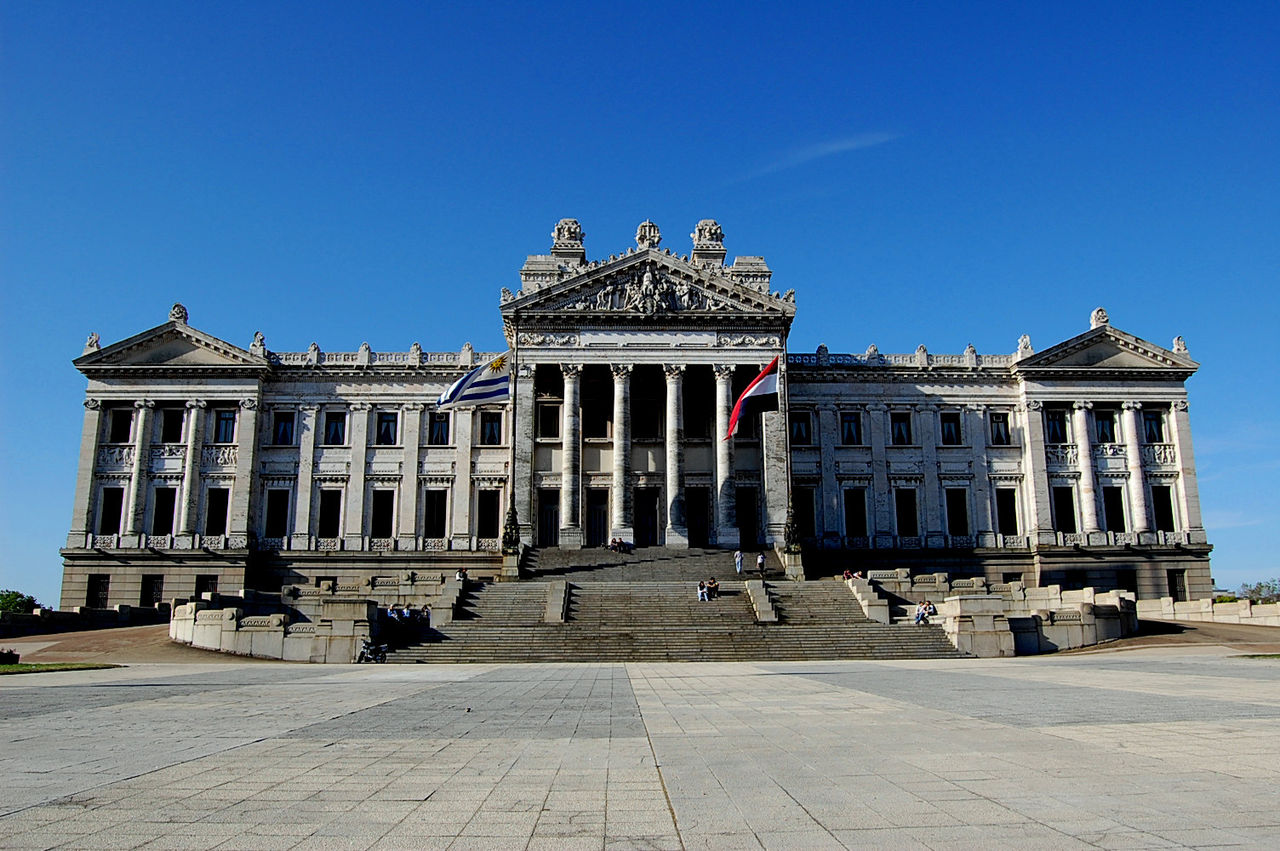
Montevideo
Historical Genesis and Urban Evolution of Montevideo
Montevideo's trajectory from a Spanish colonial outpost to a modern South American capital is a narrative of strategic importance and demographic shifts. Established in 1724 by Bruno Mauricio de Zabala, the city was conceived as a counterpoint to Portuguese expansion from Brazil, quickly becoming a key military and commercial center. Its deep natural harbor on the Rio de la Plata facilitated its growth as a major port, attracting waves of European immigrants, particularly from Spain and Italy, throughout the 19th and early 20th centuries.
This influx profoundly shaped the city's architectural landscape, evident in the eclectic styles found in its historic center (Ciudad Vieja) and its residential districts. The city's development was also influenced by its role as the political and administrative heart of Uruguay, a nation that historically prided itself on its progressive social policies and democratic stability. The construction and expansion of the Rambla, a monumental seaside promenade initiated in the early 20th century, became a defining feature, symbolizing the city's connection to the water and its commitment to public space and recreation, transforming the coastline into a vital social and cultural artery.
Socio-Cultural Dynamics and Identity in Montevideo
The cultural identity of Montevideo is a rich mosaic, reflecting its diverse immigrant heritage and its unique position within Latin America. While sharing many cultural traits with neighboring Argentina, Montevideo has cultivated its own distinct character. Music plays a pivotal role, with tango and candombe being deeply ingrained in the city's soul. Candombe, with its roots in the African diaspora, is particularly significant, celebrated annually during Carnival with elaborate parades and drumming ensembles that resonate through the city's streets.
The culinary scene is dominated by the 'asado,' a communal barbecue ritual that extends beyond mere sustenance to become a cornerstone of social interaction. Montevideo also boasts a robust intellectual and artistic community, fostering a vibrant scene of theaters, galleries, and literary circles. The city's numerous public plazas, such as Plaza Independencia, serve as crucial civic spaces that facilitate social cohesion and public discourse.
Montevideanos are often characterized by a thoughtful, somewhat reserved demeanor, coupled with a strong sense of national pride and a deep appreciation for quality of life, often prioritizing leisure and social connections.
Economic Landscape and Urban Functionality
Montevideo functions as the undisputed economic powerhouse of Uruguay, concentrating a significant portion of the nation's industrial, financial, and service sectors. Its strategic port remains a critical node for international trade, handling a substantial volume of cargo for both Uruguay and neighboring countries. The city's economy is diversified, with strong performance in finance, telecommunications, tourism, and software development, alongside traditional industries.
Uruguay's stable political climate and business-friendly policies have attracted foreign investment, further bolstering Montevideo's economic standing. The city's urban planning emphasizes accessibility and quality of life, with an extensive public transportation network and a commitment to green spaces. Initiatives focused on sustainability, renewable energy, and smart city technologies are increasingly being integrated into its development.
The presence of major educational institutions, including the University of the Republic, ensures a skilled workforce and fosters innovation, contributing to Montevideo's reputation as a forward-looking metropolis.
Governance, Administration, and Urban Planning
As the capital, Montevideo is the seat of Uruguay's national government, housing the executive, legislative, and judicial branches. The Intendencia de Montevideo (Municipal Government) oversees the city's administration, responsible for public services, urban planning, and local governance. The city is administratively divided into 8 municipalities, each with its own council, which manage local affairs and community development.
Montevideo's urban planning is characterized by a strong emphasis on public space, exemplified by the extensive network of parks and the iconic Rambla. The city has actively pursued policies aimed at decentralization and neighborhood development, seeking to enhance the quality of life across all its 'barrios.' Challenges include managing urban sprawl, ensuring equitable access to services, and adapting to climate change impacts. However, Montevideo's consistent ranking in global livability indices underscores its success in balancing economic development with social well-being and environmental considerations, positioning it as a model for urban management in the region.
Go deeper
Based on content from Wikipedia · Licensed under CC BY-SA 4.0