

Estuary
Images
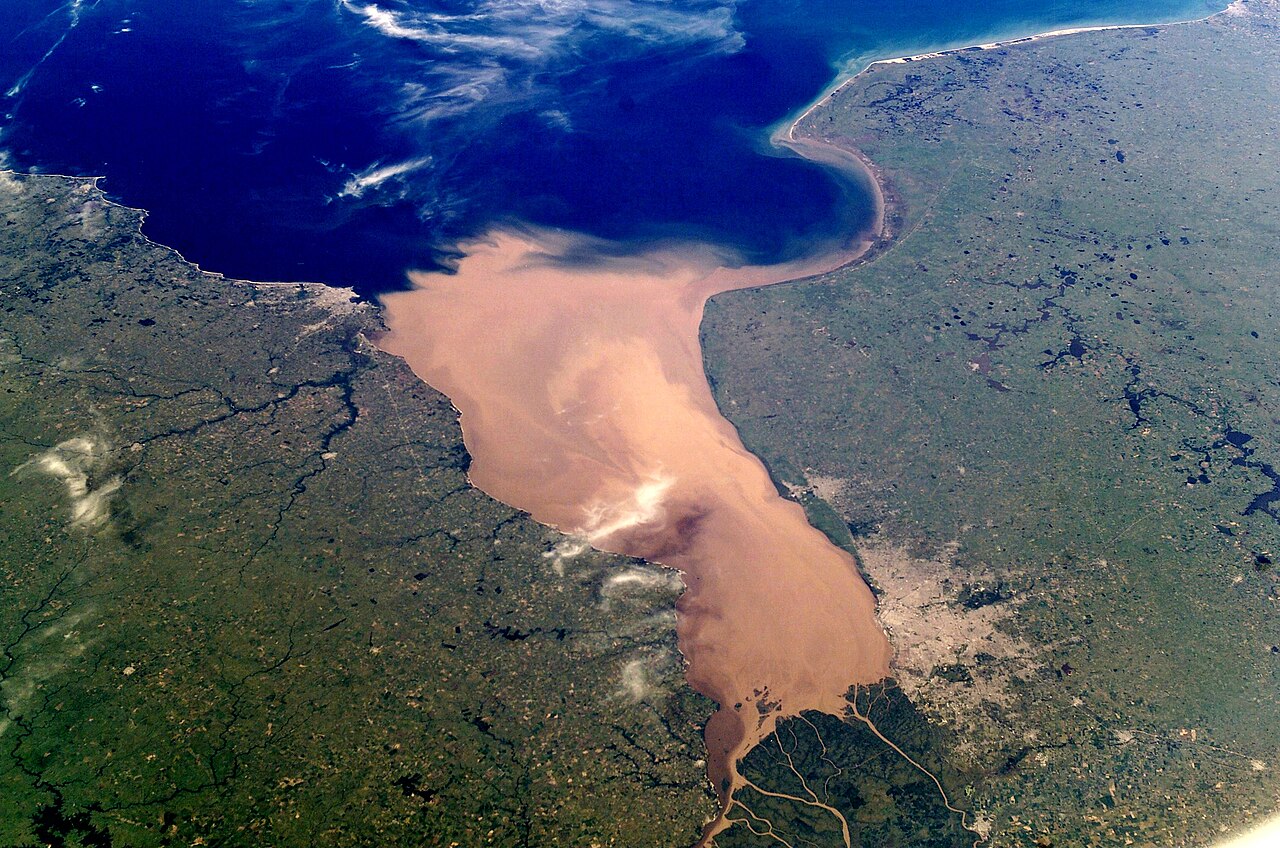
Estuary
The Genesis and Geomorphology of Estuaries
Estuaries represent a geologically recent phenomenon, predominantly formed during the Holocene epoch as a consequence of post-glacial sea-level rise commencing approximately 10,000 to 12,000 years ago. The inundation of pre-existing river-eroded valleys (rias) and glacially scoured basins (fjords) by transgressing seas created these partially enclosed coastal bodies. Their morphology is intrinsically linked to the geological history of the coastline and the dynamics of fluvial and marine processes.
Classification of estuaries often relies on geomorphological features, such as drowned river valleys, fjords, bar-built estuaries, and tectonic estuaries, or on their water circulation patterns, which are influenced by factors like tidal range, river discharge, and basin shape. These features dictate the physical and chemical gradients that characterize the estuary, influencing everything from sediment deposition to species distribution. The constant interplay between freshwater input and tidal influence creates a unique, dynamic environment.
Estuarine Ecology
The defining characteristic of an estuary is the mixing of freshwater and saltwater, resulting in brackish water with a fluctuating salinity gradient. This unique hydrological regime, coupled with nutrient inputs from both terrestrial (riverine runoff, sediment load) and marine (tidal influx) sources, renders estuaries among the most biologically productive ecosystems on Earth. They function as critical ecotones, supporting a diverse array of flora and fauna adapted to these variable conditions.
Estuaries serve as vital nursery grounds for a significant proportion of commercially important fish and shellfish species, providing shelter and abundant food resources for larval and juvenile stages. The high primary productivity, driven by phytoplankton and benthic algae, forms the base of a complex food web that supports a rich community of invertebrates, fish, birds, and marine mammals. Furthermore, estuaries act as important filters, trapping sediments and pollutants, and play a crucial role in coastal protection by attenuating wave energy.
The Multifaceted Role of Estuaries in the Coastal Zone
Beyond their ecological significance, estuaries hold immense value for human societies. They provide essential ecosystem services, including water filtration, flood control, and carbon sequestration. Many of the world's major cities are located on estuaries, leveraging them for transportation, trade, and resource extraction.
The rich biodiversity supports significant commercial and recreational fisheries, contributing substantially to local and global economies. However, this proximity to human activity also makes estuaries highly vulnerable. They are often the recipients of anthropogenic pressures, including pollution from agricultural, industrial, and urban sources, which can lead to eutrophication, habitat degradation, and loss of biodiversity.
Understanding the complex interactions within estuaries is crucial for their sustainable management and conservation.
Contemporary Challenges and Conservation Imperatives
Modern estuaries face a myriad of anthropogenic threats that compromise their ecological integrity and the services they provide. Soil erosion and deforestation upstream exacerbate sediment loads, leading to siltation and habitat loss. Overfishing disrupts trophic structures, while wetland destruction diminishes natural filtration capacities and biodiversity. Pollution, including heavy metals, hydrocarbons, and excess nutrients from sewage and agricultural runoff, can cause widespread ecological damage, leading to phenomena like hypoxia and toxic algal blooms.
Furthermore, coastal development, dredging, and the construction of dams or levees for flood control and water diversion alter the natural hydrological regimes, impacting salinity levels and freshwater inflow critical for estuarine life. Addressing these challenges requires integrated coastal zone management, pollution reduction strategies, restoration efforts, and a global commitment to sustainable practices to preserve these invaluable ecosystems for future generations.
Go deeper
Based on content from Wikipedia · Licensed under CC BY-SA 4.0