

Maracaibo Basin
Images

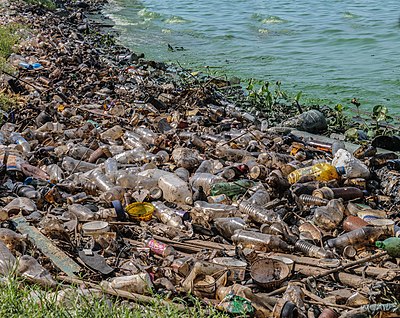
Contaminacion del Lago de Maracaibo 2


Geodynamic Setting and Stratigraphic Complexity of the Maracaibo Basin
The Maracaibo Basin, situated in northwestern Venezuela, is a prime example of a foreland basin, a geological structure typically formed adjacent to an active orogenic belt. Its formation is intricately linked to the tectonic evolution of the northern Andes and the Caribbean plate. The basin's geological history is exceptionally complex, dating back to the Jurassic period, and has been meticulously preserved within its stratigraphy.
This preservation makes it an invaluable natural laboratory for reconstructing the early tectonic history of South America. The basin's stratigraphy comprises a thick sequence of sedimentary rocks, including sandstones, shales, and limestones, deposited over millions of years. These layers contain abundant organic matter, which, under specific geothermal and pressure conditions, has generated and accumulated vast quantities of hydrocarbons, primarily light crude oil and natural gas.
Hydrocarbon Genesis, Accumulation, and Production
The Maracaibo Basin is one of the world's most prolific hydrocarbon-producing regions, having yielded over 30 billion barrels of oil. This immense production is a testament to the ideal conditions for hydrocarbon generation and entrapment within the basin. The source rocks, rich in organic material from ancient marine and terrestrial environments, underwent maturation during periods of increased heat flow associated with tectonic activity.
The subsequent migration of generated hydrocarbons into porous and permeable reservoir rocks, such as the Eocene sandstones, was facilitated by extensive fault systems and stratigraphic traps. The basin's geological architecture, characterized by anticlines and fault blocks, effectively sealed these reservoirs, preventing the escape of oil and gas. The estimated remaining reserves of 44 billion barrels underscore the basin's continued economic and strategic importance, driving ongoing exploration and advanced recovery techniques.
Tectonic Evolution and Paleogeographic Reconstruction
The tectonic history of the Maracaibo Basin is a narrative of plate interactions, rifting, subsidence, and uplift. Its origins are tied to the breakup of Gondwana and subsequent Mesozoic rifting events that created the proto-Maracaibo Basin. During the Cenozoic, compressional forces associated with the Andean orogeny and the movement of the Caribbean plate led to significant structural deformation, including folding and faulting, which further enhanced hydrocarbon entrapment.
The basin's stratigraphy provides a detailed record of these tectonic events, allowing geologists to map paleogeographic reconstructions and understand the regional stress fields. Studying these well-preserved geological stages is crucial for understanding broader continental dynamics and the formation of sedimentary basins globally.
Technological Innovations and Extraction Challenges
The exploitation of the Maracaibo Basin's vast oil reserves has spurred significant technological advancements in the petroleum industry. Early exploration and production relied on conventional drilling methods. However, as easily accessible reserves dwindled, the industry has increasingly adopted sophisticated techniques, including enhanced oil recovery (EOR) methods, horizontal drilling, and offshore exploration in Lake Maracaibo.
The presence of a large, shallow estuary presents unique engineering challenges, particularly concerning infrastructure development and environmental management. The basin's oil fields have been instrumental in developing expertise in managing complex geological formations and maximizing hydrocarbon recovery, contributing to global knowledge in petroleum engineering and resource management.
Socio-Economic Impact and Future Prospects
The Maracaibo Basin has been the economic engine of Venezuela for decades, profoundly shaping its socio-economic landscape. The revenue generated from oil exports has funded national development, infrastructure projects, and social programs. However, this heavy reliance on a single commodity has also led to economic vulnerabilities and challenges related to resource management and environmental sustainability.
The future of the Maracaibo Basin involves balancing continued hydrocarbon production with the imperative for economic diversification and environmental stewardship. Ongoing research into its geological intricacies may also unlock further insights into Earth's history and potentially reveal undiscovered resources, ensuring its continued relevance in both the energy sector and scientific research.
See also
Frequently Asked Questions
What is the Maracaibo Basin?+
Where is the Maracaibo Basin located?+
Why does the Maracaibo Basin have so much oil?+
How do scientists learn about Earth's history from the Maracaibo Basin?+
What techniques are used to get oil from the Maracaibo Basin?+
Based on content from Wikipedia · Licensed under CC BY-SA 4.0