

Luxembourg City: A Tiny Country's Big Heart!
Images
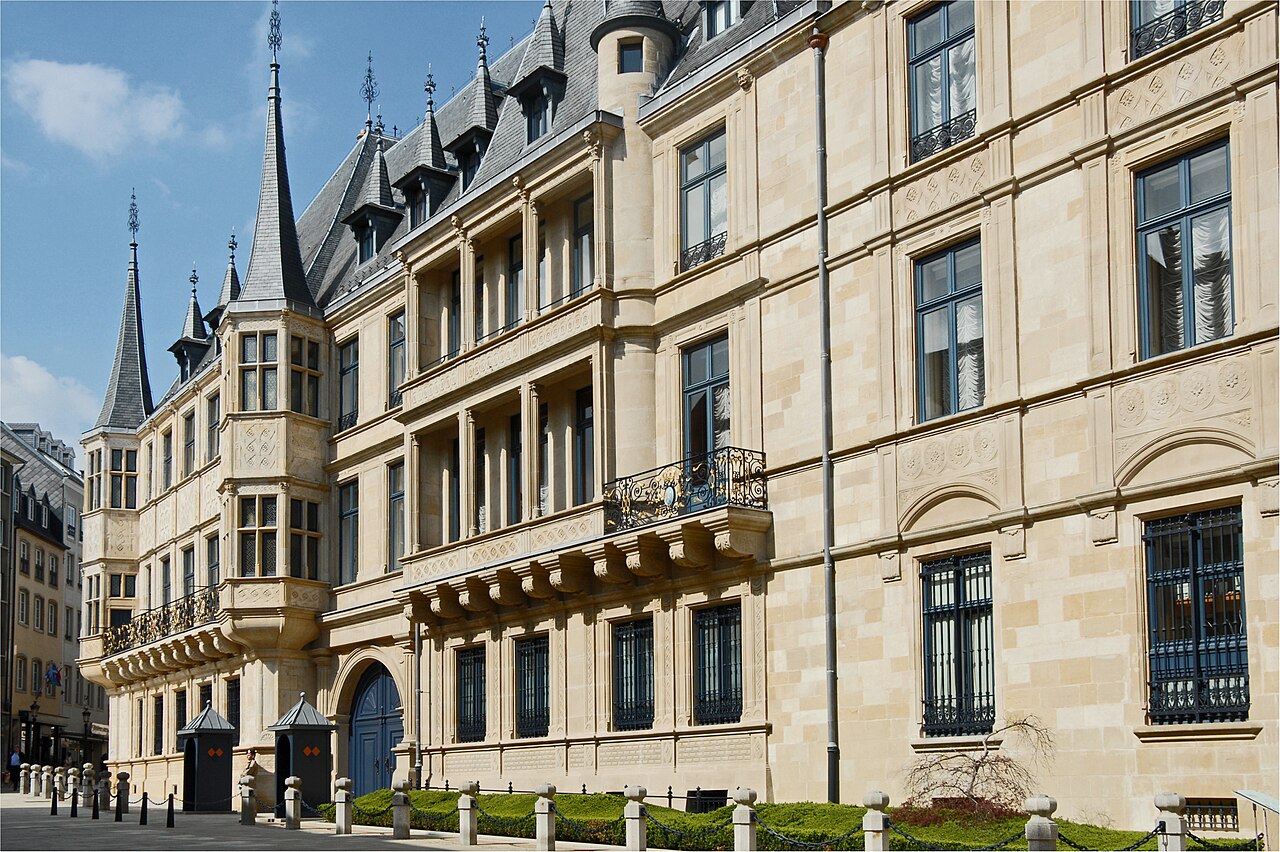
Luxembourg City
From Fortress Foundations to Urban Tapestry
Luxembourg City's identity is inextricably linked to its dramatic topography and strategic military past. Situated at the confluence of the Alzette and Pétrusse rivers, the city is built upon a series of natural fortifications, most notably the Bock Fels and the surrounding plateaus. The establishment of Luxembourg Castle by the Franks in the Early Middle Ages marked the genesis of a settlement that would evolve into a formidable fortress, earning it the moniker 'Gibraltar of the North'.
Over centuries, Vauban and other military engineers transformed these natural defenses into an intricate system of casemates, bastions, and ramparts, creating one of the most impressive defensive systems in Europe. This historical layering is not merely preserved; it's integrated into the urban fabric, with the UNESCO World Heritage site encompassing the old town, its fortifications, and the Bock casemates. The city's development has always been dictated by its geography, leading to a unique urban landscape characterized by bridges spanning deep ravines and buildings clinging to steep hillsides, a testament to human ingenuity in adapting to a challenging environment.
A Global Hub of Diversity and Economic Prosperity
The demographic profile of Luxembourg City is one of its most striking features, reflecting its status as a truly international metropolis. With a population of 136,208 in late 2024, the city is characterized by an exceptionally high proportion of foreign residents, who constitute approximately 70.1% of its inhabitants. This diversity is not superficial; it encompasses individuals from over 160 different nationalities, creating a vibrant multicultural environment.
This influx of international talent is a direct consequence of the city's economic dynamism, particularly its preeminence as a global financial center. In 2024, Luxembourg's GDP per capita (PPP) was the highest in the world, a figure driven by its robust banking, finance, and insurance sectors. The city's commitment to fostering an inclusive and safe environment, evidenced by its top ranking in personal safety in global surveys, further enhances its appeal to a diverse workforce and resident population, making it a unique socio-economic ecosystem.
The Unseen Architect of European Integration
Luxembourg City plays a pivotal, albeit often understated, role in the functioning of the European Union. As one of the EU's four de facto capitals, it hosts a significant number of its most critical institutions. These include the judicial powerhouses like the Court of Justice of the European Union and the European Court of Auditors, which ensure legal consistency and financial accountability across member states.
Furthermore, it is home to the European Investment Bank, the EU's lending arm, and the Secretariat of the European Parliament, facilitating legislative processes. The presence of the European Public Prosecutor's Office and various European Commission departments underscores its administrative importance. The annual three-month rotation of the Council of the European Union meetings in Luxembourg City solidifies its position as a central venue for high-level policy discussions and decision-making, making it an indispensable component of the EU's institutional architecture.
Economic Resilience and Quality of Life
The economic success of Luxembourg City is not merely measured by its high GDP per capita but also by the exceptional quality of life it offers its residents. The city consistently ranks high in global surveys for livability, personal safety, and overall well-being. This is supported by a stable political environment, efficient public services, and a strong social safety net.
The primary economic drivers are its sophisticated financial services sector, which includes private banking, investment funds, and insurance, alongside its role as a major hub for international organizations and EU institutions. This diversification provides economic resilience, insulating the city from sector-specific downturns. The blend of a secure and prosperous economy with a high standard of living, characterized by excellent healthcare, education, and cultural amenities, makes Luxembourg City a highly desirable place to live and work, attracting both global talent and significant investment.
Go deeper
Frequently Asked Questions
What makes Luxembourg City special?+
Why is Luxembourg City called the "Gibraltar of the North"?+
How do the rivers help the city?+
Where does the city get its many different people?+
Why does Luxembourg City host EU meetings?+
Based on content from Wikipedia · Licensed under CC BY-SA 4.0