

Luxembourg
Images
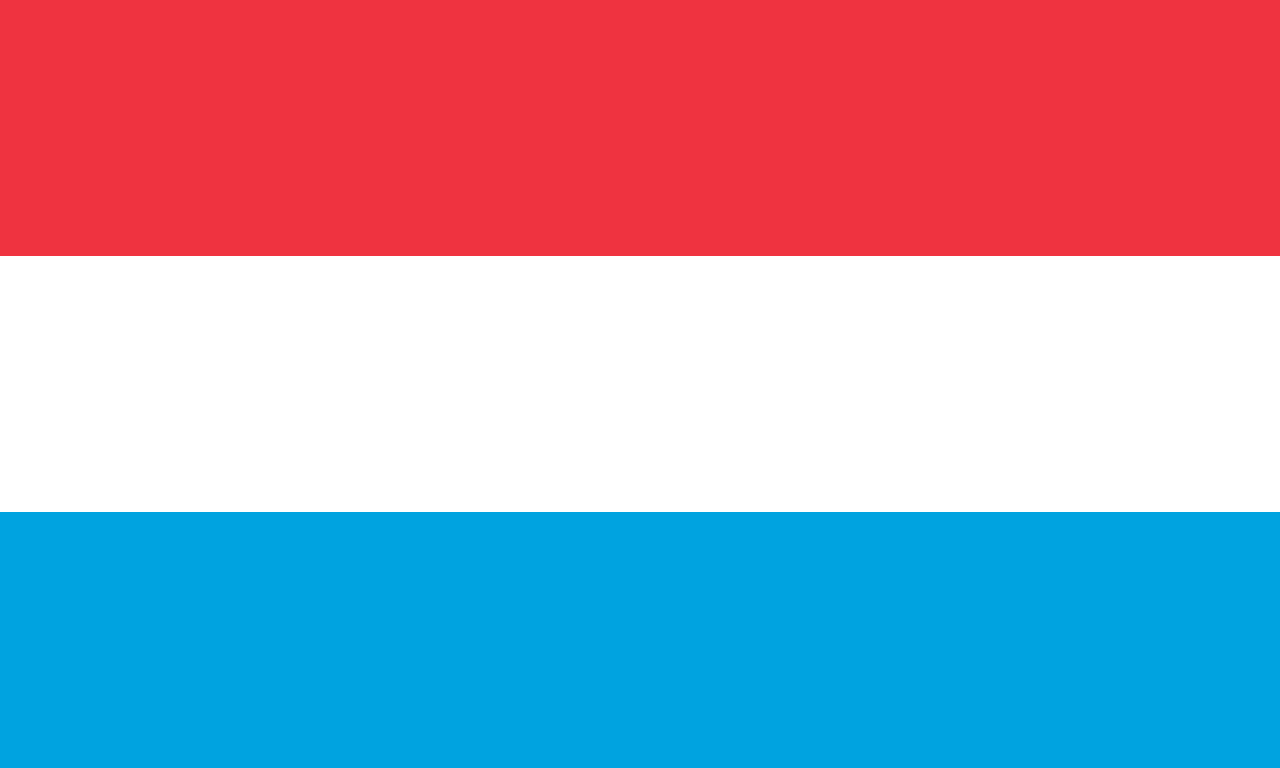
Luxembourg
Opens Google Maps in new tab
Geopolitical Crossroads and Enduring Identity
Luxembourg occupies a unique geographical position in Western Europe, acting as a historical buffer and bridge between larger powers like France, Germany, and Belgium. Its landlocked status has not hindered its development but rather shaped its outward-looking policies and strong emphasis on international cooperation. The country's landscape, characterized by the Ardennes highlands in the north and the fertile Moselle valley in the east, offers both natural beauty and agricultural resources. Luxembourg City, the capital, is a testament to this strategic importance, serving as one of the four institutional seats of the European Union.
It hosts crucial EU bodies, including the Court of Justice of the European Union, underscoring its role in European governance and legal frameworks. This central role in the EU, combined with its historical ties to the Low Countries, solidifies Luxembourg's position as a key player despite its diminutive size.
A Historical Tapestry
The historical trajectory of Luxembourg is one of resilience and adaptation. Established as a county within the Holy Roman Empire in the 11th century, it rose to prominence, with Emperor Henry VII marking a peak of its medieval influence. Subsequent centuries saw it fall under the sway of the Habsburgs and later be annexed by France, leading to significant territorial reductions through repeated partitions.
The Congress of Vienna in 1815 restored its status, and the Luxembourg Crisis of 1867 ultimately secured its full independence and neutrality. Today, Luxembourg stands as the world's sole remaining sovereign grand duchy, a constitutional monarchy headed by Grand Duke Guillaume. This unique political structure, blending hereditary leadership with democratic representation, is a direct legacy of its long and complex history, demonstrating an ability to evolve while retaining core national identity.
The Multilingual Fabric of Luxembourgish Society
Luxembourg's linguistic landscape is a fascinating reflection of its cultural influences and pragmatic approach to governance. Luxembourgish, a Moselle Franconian dialect, is recognized as the national language and is spoken by the majority of the population. However, French holds official status as the language of legislation, reflecting historical ties and administrative needs, while German is widely used for administrative purposes and in media.
This trilingualism is not merely a matter of convenience but a cornerstone of Luxembourg's identity and its role as an international hub. It facilitates seamless interaction with neighboring countries and fosters a cosmopolitan environment, attracting a significant foreign-born population that constitutes nearly half of the country's residents. This linguistic fluidity is a key factor in its economic success and diplomatic engagement.
Economic Prowess
Luxembourg defies conventional notions of economic scale. It is a highly developed country boasting one of the highest purchasing power parity adjusted GDPs per capita globally, according to major financial institutions. This economic strength is built upon a diversified economy, with finance and banking playing a dominant role, complemented by growing sectors in information technology, logistics, and space exploration.
The country's stability, favorable business environment, and highly skilled workforce contribute to its prosperity. Furthermore, Luxembourg consistently ranks high in measures of human development, life expectancy, and human rights, reflecting a commitment to social well-being alongside economic growth. The historic city of Luxembourg, with its remarkably preserved fortifications, is a UNESCO World Heritage Site, symbolizing the nation's rich past and its successful transition into a modern, prosperous state.
Go deeper
Based on content from Wikipedia · Licensed under CC BY-SA 4.0