

Castle
Images
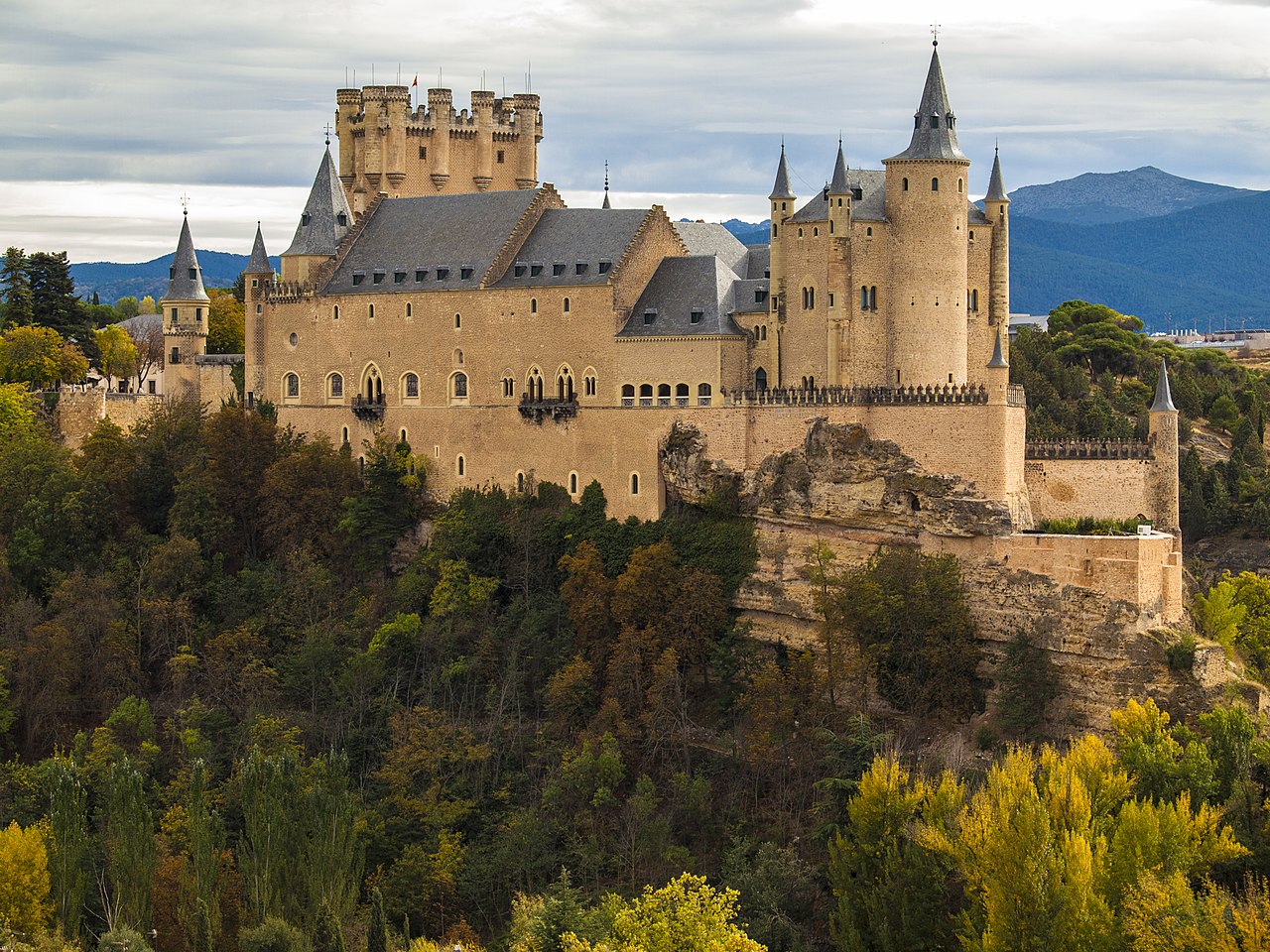
Castle
The Genesis and Evolution of Fortified Residences
The castle, as a distinct architectural form, emerged in Europe around the 9th century, evolving from earlier fortifications and Roman precedents. Initially, many castles were simpler wooden structures, such as the motte-and-bailey design, which offered rapid construction but limited long-term defense. The Norman Conquest of England in 1066 significantly accelerated the adoption and development of stone castles.
These new fortifications were built with greater permanence and sophistication, incorporating features like curtain walls, square keeps, and later, round towers. The transition to stone was driven by the increasing effectiveness of siege weaponry and the desire for more enduring symbols of power and control. Over centuries, castle design became increasingly complex, adapting to new military technologies and evolving from purely defensive structures to more elaborate residences that also served as administrative centers and symbols of feudal authority, reflecting a dynamic interplay between military necessity and evolving social structures.
Castles as Centers of Feudal Power and Administration
Beyond their military function, castles were the linchpins of the feudal system, serving as the administrative and economic heart of their surrounding territories. The lord of the castle was responsible for governing the land, dispensing justice, and collecting taxes, all of which were managed from within the castle walls. The great hall was the primary space for feasting, holding court, and conducting business, reinforcing the lord's authority and social standing.
Castles also provided refuge for the local populace during times of war, fostering a sense of security and dependence on the lord. Their strategic placement often controlled vital trade routes, river crossings, or fertile agricultural land, making them crucial for economic prosperity and political stability. The castle was, therefore, a multifaceted institution, embodying military might, political authority, and social order in the medieval landscape.
Architectural Ingenuity in Defensive Design
Medieval castle architecture represents a remarkable fusion of defensive strategy and engineering prowess. The evolution of siege warfare, from simple battering rams to sophisticated trebuchets and later gunpowder artillery, necessitated continuous innovation in defensive design. Thick, high curtain walls, often reinforced with battlements and machicolations (overhanging structures with openings), provided formidable protection.
Towers, initially square, evolved into round designs to better deflect projectiles and eliminate blind spots. Gatehouses became elaborate strongpoints, featuring multiple portcullises, murder holes, and flanking towers. The moat, a classic obstacle, was often supplemented by complex systems of ditches and earthworks.
Later castles incorporated advanced features like concentric defenses (multiple rings of walls) and strategically placed arrow slits designed to maximize defensive coverage while minimizing exposure. These architectural elements were not merely decorative but were integral to the castle's primary role as an impregnable stronghold.
The Enduring Legacy and Modern Relevance of Castles
Though their military function waned with the advent of gunpowder artillery and the rise of centralized states, castles continue to hold significant cultural and historical importance. Many have been preserved or restored, serving as invaluable historical sites, museums, and tourist destinations that offer tangible connections to the past. They provide crucial insights into medieval life, architecture, and warfare.
Furthermore, the concept of the castle as a symbol of strength, security, and heritage persists in modern culture, appearing in literature, film, and even urban planning. The study of castles contributes to our understanding of historical power structures, social hierarchies, and the development of military technology. Their enduring presence reminds us of the ingenuity and resilience of past societies and their profound impact on the landscapes and cultures we inhabit today.
Go deeper
Frequently Asked Questions
What is a castle?+
Why did castles become made of stone instead of wood?+
How did castles help the people living nearby?+
What are some special parts of a castle that made it strong?+
Why did castles change from just forts to fancy homes?+
Based on content from Wikipedia · Licensed under CC BY-SA 4.0