

Libertarian Party (United States)
Images

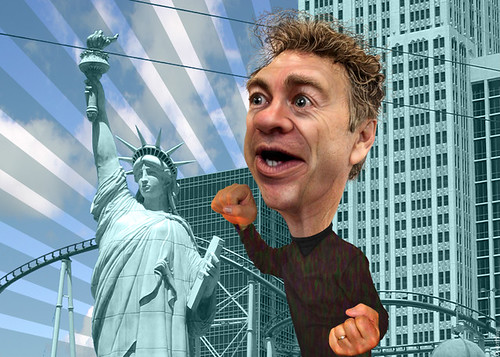
Rand Paul - The Hambungler




Genesis of a Third Way
The Libertarian Party (LP) emerged in the United States in 1971, a deliberate attempt to formalize a political movement centered on radical individual liberty. Conceived through meetings in Westminster, Colorado, and officially established in Colorado Springs, its founders drew heavily from the intellectual traditions of classical liberalism and the Austrian School of economics, notably the works of Murray Rothbard.
The party's formation was a direct response to perceived overreach by the Nixon administration, including wage and price controls, the Vietnam War, and the abandonment of the gold standard. These events highlighted a growing dissatisfaction with the prevailing bipartisan consensus, prompting the creation of a distinct political entity dedicated to maximizing personal freedom and minimizing state power across all facets of life, from economic policy to social issues.
The Libertarian Platform
The LP's platform is characterized by a strong emphasis on civil liberties, non-interventionist foreign policy, and laissez-faire capitalism. They advocate for a drastically reduced role for government, believing that individual choice and voluntary association are the most effective means of organizing society. This translates into policies such as significantly lowering taxes, abolishing the IRS, and allowing individuals to opt out of government social programs like Social Security, with the expectation that private charities and mutual aid societies would fill the void.
Socially, Libertarians generally align with progressive stances on issues like drug legalization, criminal justice reform, same-sex marriage, and the abolition of capital punishment, while staunchly defending the right to bear arms. Gary Johnson, a two-time presidential nominee, has often described the party as being more socially liberal than Democrats and more fiscally conservative than Republicans, positioning it as a unique alternative in the American political landscape.
Evolution and Influence
As of May 2024, the Libertarian Party holds the distinction of being the third-largest political party in the United States by voter registration, a testament to its growing appeal. While electoral victories at the federal level have been rare, the party has achieved success in state legislatures, notably gaining a seat in the Wyoming House of Representatives in 2020, its first such win in over two decades. The party also briefly had representation in the U.S. Congress through Justin Amash, who joined the LP in 2020.
These achievements, though modest in scale, demonstrate the party's ability to influence political discourse and provide a platform for alternative viewpoints, challenging the dominance of the two major parties and offering a distinct ideological choice to voters.
Internal Dynamics and Future Trajectories
The Libertarian Party is not monolithic; it encompasses a range of ideological perspectives, leading to internal debates and factionalism. The rise of the Mises Caucus as a dominant force on the Libertarian National Committee in 2022 has signaled a shift in the party's direction, particularly concerning immigration and abortion policies. This has created friction with more classical liberal-minded members, some of whom have departed to form new organizations like the Liberal Party USA or the Classical Liberal Caucus.
These internal conflicts highlight the ongoing challenge of maintaining party unity while navigating diverse interpretations of libertarian principles and adapting to the evolving political climate. The party's future success will likely depend on its ability to reconcile these internal differences and effectively communicate its core message of liberty to a broader electorate.
See also
Frequently Asked Questions
What is the Libertarian Party?+
When was the Libertarian Party founded?+
What changes does the Libertarian Party want for the government?+
Who is a famous person from the Libertarian Party?+
Why do some members of the Libertarian Party disagree?+
Based on content from Wikipedia · Licensed under CC BY-SA 4.0