

Lake of Fire
Images
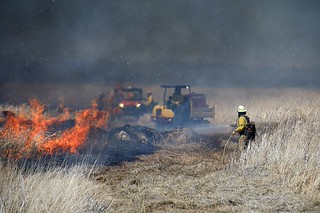
Market Lake Prescribed Fire


Ancient Egyptian Cosmology and the Fiery Passage
Within the complex funerary texts and cosmology of ancient Egypt, the concept of a 'lake of fire' (often referred to by various names in hieroglyphs, such as the 'Lake of Flame' or 'Pool of Fire') represented a critical juncture in the deceased's perilous journey through the Duat. This was not a static geographical feature but a dynamic, symbolic trial. Its dual nature-capable of both destruction and purification-underscores the Egyptian emphasis on Ma'at (truth, balance, order) and the rigorous judgment faced by the soul.
The deceased's worthiness, determined by their earthly deeds and adherence to Ma'at, dictated whether the fiery waters would annihilate them or serve as a catalyst for spiritual renewal, preparing them for eternal existence in the Field of Reeds. This imagery highlights a belief system where the afterlife was an active, transformative process, not merely a passive destination.
Christian Eschatology and the Lake of Fire
The Christian tradition, particularly within its eschatological framework, adopted and significantly recontextualized the 'lake of fire' imagery. Primarily found in the Book of Revelation, this concept is presented as the ultimate, eternal punishment for the unrighteous, the beast, the false prophet, and ultimately, Satan himself. Its theological resonance is amplified by its connection to the Hebrew concept of Gehenna, the Valley of Hinnom, a place historically associated with child sacrifice and later with fiery judgment.
Early Christian apologists and theologians, such as Hippolytus of Rome (c. 170–235 AD), integrated this potent symbol into their doctrines concerning the final judgment and the fate of the wicked. Unlike the potentially redemptive aspect in Egyptian belief, the Christian 'lake of fire' is overwhelmingly depicted as a place of irreversible, eternal suffering and separation from God, serving as a stark warning against sin and apostasy.
Comparative Religious Symbolism and Enduring Metaphor
The 'lake of fire' serves as a compelling case study in comparative religion, illustrating how similar symbolic language can carry vastly different meanings across cultures and belief systems. While both ancient Egyptian and Christian traditions employ fiery imagery for the afterlife, their interpretations diverge significantly. The Egyptian view emphasizes a transformative, albeit dangerous, passage integral to achieving eternal life, reflecting a cyclical view of existence.
Conversely, the Christian interpretation leans towards a terminal, retributive judgment, reflecting a more linear eschatology focused on ultimate divine justice. The enduring power of this symbol lies in its visceral representation of extreme states-either purification or condemnation-tapping into primal human fears and hopes regarding mortality and the unknown.
Modern Relevance and Theological Interpretation
Despite its ancient origins, the concept of the 'lake of fire' continues to resonate in modern theological discourse and popular culture, albeit with varied interpretations. Contemporary Christian scholarship often engages in debates about the literal versus metaphorical nature of this imagery. Some view it as a literal place of eternal torment, while others interpret it as a symbolic representation of complete annihilation, the ultimate loss of God's presence, or the self-destructive consequences of rejecting divine love.
The persistence of this symbol highlights its effectiveness in conveying profound moral and spiritual truths about accountability, the nature of sin, and the ultimate sovereignty of God. Its continued presence in religious art, literature, and theological discussion underscores its deep-seated impact on humanity's perennial quest to understand life, death, and the divine.
See also
Frequently Asked Questions
What is the lake of fire in ancient Egyptian stories?+
Why did the Egyptian lake of fire help people after death?+
Where does the Christian lake of fire appear?+
How is the Christian lake of fire different from the Egyptian one?+
Are people still talking about the lake of fire today?+
Based on content from Wikipedia · Licensed under CC BY-SA 4.0