

Lake Ladoga: Europe's Giant Watery Friend!
Images
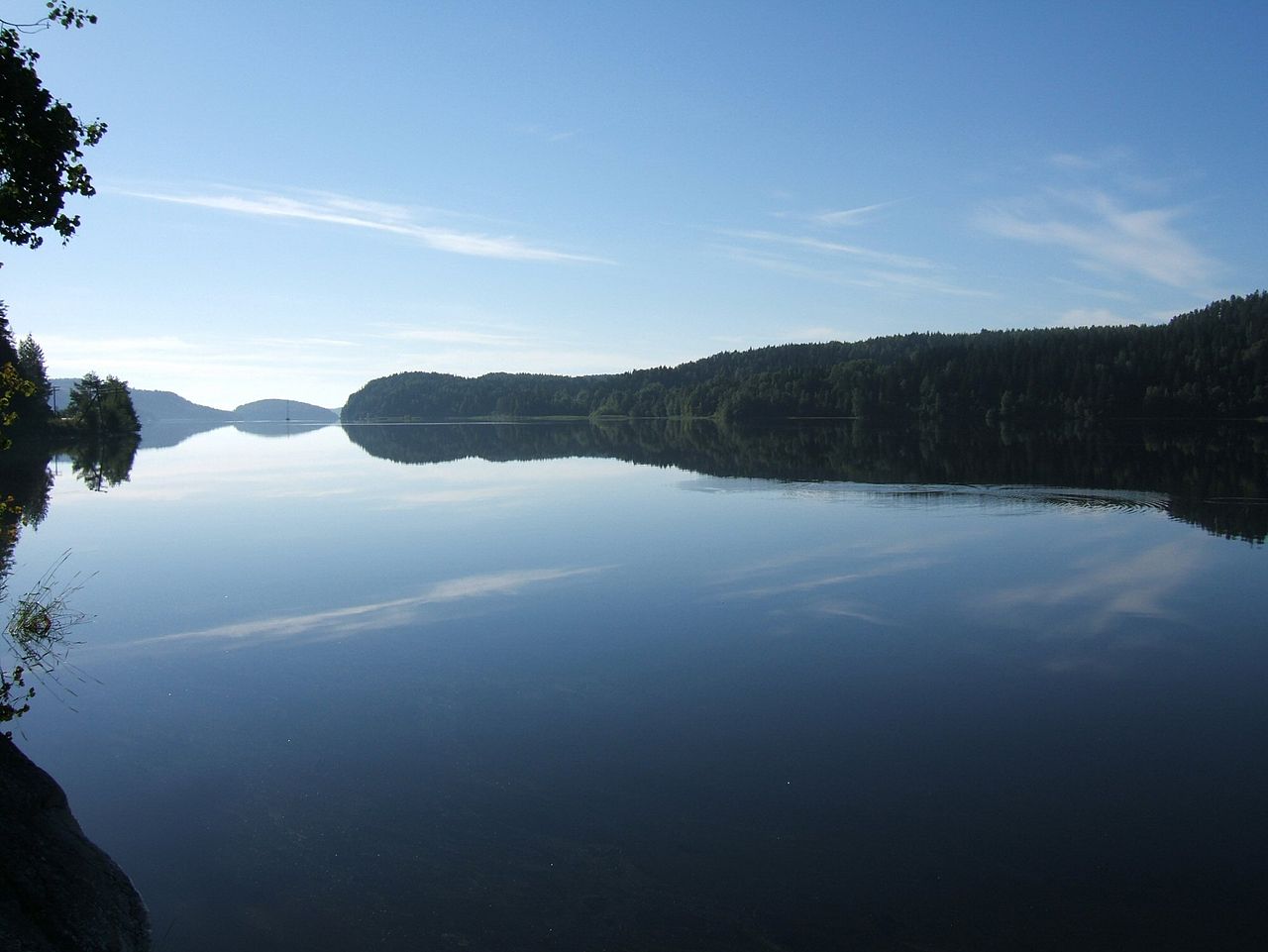
Lake Ladoga
Geomorphological Significance and Hydrological Role of Lake Ladoga
Lake Ladoga, situated in northwestern Russia within the Republic of Karelia and Leningrad Oblast, stands as a paramount example of a large lacustrine system in Europe. Its geographical coordinates place it in a region heavily influenced by its vast water mass. As the largest lake entirely within Europe and the second-largest in Russia after Lake Baikal, its surface area of approximately 17,700 square kilometers (6,800 square miles) makes it the 14th largest lake globally.
This immense scale is comparable to Lake Ontario in North America, underscoring its continental significance. The lake's formation is intrinsically linked to the Quaternary glaciations, where retreating ice sheets carved out the bedrock, creating the basin that subsequently filled with meltwater. Ladoga's hydrological role is critical; it receives water from over 3,500 rivers and streams, most notably the Svir, Volkhov, and Vuoksa rivers, and discharges into the Neva River, which flows into the Gulf of Finland.
This extensive drainage basin influences regional water cycles and nutrient transport.
Historical Context and Human Interaction with Ladoga
While specific historical timelines for Lake Ladoga are not detailed in the provided source, its existence has undoubtedly shaped human history in northwestern Russia for millennia. Its strategic location near the Baltic Sea and its role as a vital waterway would have made it a crucial element in trade routes, settlement patterns, and military endeavors throughout various historical periods, including the medieval era and beyond. The lake's shores have likely been inhabited by various peoples, each adapting to and utilizing its resources.
During the Siege of Leningrad in World War II, Lake Ladoga became a lifeline, known as the "Road of Life," for transporting essential supplies to the besieged city across its frozen surface during winter, and by boat during the warmer months. This period highlights the lake's profound historical and humanitarian importance, demonstrating its capacity to sustain life even under the most dire circumstances.
Ecological Importance and Unique Extraterrestrial Naming Convention
Lake Ladoga is a significant freshwater ecosystem, supporting a diverse array of flora and fauna. Its immense volume of water acts as a buffer for regional climate and provides a habitat for numerous fish species, making it an important area for both commercial and recreational fishing. The lake's ecological health is vital for the surrounding environment and the communities that depend on it.
In a truly remarkable and unique twist, Lake Ladoga's significance extends beyond Earth. It has lent its name to Ladoga Lacus, a methane lake located on Titan, Saturn's largest moon. This extraterrestrial appellation is a testament to the lake's profound impact and recognition, suggesting that its scale and importance are perceived even on a cosmic level.
This dual identity – a vital terrestrial water body and an inspiration for celestial geography – makes Lake Ladoga exceptionally noteworthy.
Socio-Economic Impact and Regional Integration
The presence of Lake Ladoga profoundly influences the socio-economic landscape of northwestern Russia. Its location in proximity to Saint Petersburg, a major cultural and economic hub, integrates the lake into a dynamic regional system. While specific population figures for the immediate lakeside communities are not provided, the Leningrad Oblast and the Republic of Karelia are home to substantial populations who benefit directly and indirectly from the lake.
Economically, Lake Ladoga is crucial for transportation, serving as a navigable waterway that connects inland Russia to the Baltic Sea via the Neva River. It also supports significant fishing industries and tourism. The lake's freshwater resources are vital for municipal and industrial use in the surrounding areas.
Its vastness and natural beauty contribute to the region's identity and appeal, fostering a deep connection between the people and this immense natural wonder.
Go deeper
Frequently Asked Questions
What is Lake Ladoga?+
Why was Lake Ladoga so important during World War II?+
How did Lake Ladoga get its shape?+
Which rivers flow into and out of Lake Ladoga?+
Did Lake Ladoga have a name on another planet?+
Based on content from Wikipedia · Licensed under CC BY-SA 4.0