

Lake Isabella
Images

Campfire at Lake Isabella 091209Sa
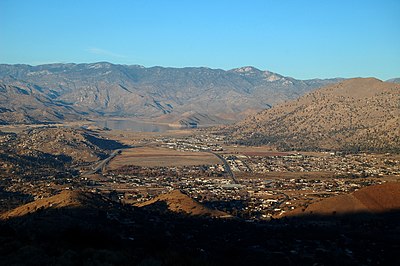


Geographical Context and Hydrological Significance
Lake Isabella is a substantial reservoir situated in Kern County, California, approximately 40 miles northeast of Bakersfield. Its location within the southern reaches of the Sierra Nevada mountain range, specifically in low foothills at an elevation of roughly 2,500 feet, dictates its climate. Summers are intensely hot, frequently exceeding 100°F, while winters are mild enough to prevent persistent snow cover on the surrounding ridges.
The reservoir is fed by the Kern River, a vital waterway formed by the confluence of its north and south forks. The creation of Lake Isabella involved damming this river, transforming a natural landscape into a managed water system. At 11,000 acres, it ranks among California's larger reservoirs, underscoring its considerable hydrological impact on the region.
This scale makes it a critical component of the state's water infrastructure, particularly in an area prone to arid conditions and drought.
The Genesis of a Reservoir
The existence of Lake Isabella is a direct result of mid-20th-century water management initiatives. Constructed in 1953 by the U.S. Army Corps of Engineers, the Isabella Dam was an ambitious project designed to harness the Kern River's flow.
This engineering feat involved inundating a significant area, leading to the displacement of two former towns: Isabella and Kernville. The creation of the reservoir was a deliberate act to secure a consistent and substantial water supply for the burgeoning population of Bakersfield and surrounding agricultural areas. This transformation highlights a common theme in arid regions: the necessity of large-scale infrastructure to support human settlement and economic activity, often at the cost of altering natural environments and existing communities.
Socio-Economic Impact
Lake Isabella's primary function is serving as the principal water source for Bakersfield. This role is paramount, especially in California, a state that perpetually grapples with water scarcity. The reservoir's stored water is treated and distributed, underpinning the daily lives and economic viability of a major urban center.
Beyond its critical utility function, the lake has cultivated a significant recreational economy. Its 11,000 acres provide ample space for activities such as boating, fishing, swimming, and camping, attracting visitors and supporting local businesses. This dual role-as an essential utility and a recreational hub-makes Lake Isabella a multifaceted asset, contributing to both public health and regional economic diversification.
The management of this resource involves balancing the needs of urban populations with the demands of tourism and ecological considerations.
Ecological Considerations and Future Management
While engineered for human benefit, Lake Isabella also interacts with its natural environment. The reservoir supports aquatic ecosystems, providing habitat for various fish species that are important for both recreational fishing and the local food web. The surrounding foothills, influenced by the lake's presence and climate, host diverse flora and fauna adapted to the region's conditions.
However, like many reservoirs, Lake Isabella faces challenges related to water quality, sedimentation, and the impacts of fluctuating water levels due to drought and demand. Future management will likely involve ongoing efforts to maintain dam integrity, optimize water storage and release, mitigate environmental impacts, and potentially adapt to changing climate patterns that could affect water availability and the reservoir's ecological health. The long-term sustainability of Lake Isabella is intrinsically linked to broader water resource management strategies in California.
Governance and Education
The governance of Lake Isabella falls under the purview of federal agencies like the U.S. Army Corps of Engineers, which manages the dam, and state entities responsible for water rights and distribution, such as the California Department of Water Resources. Local water districts, like the Kern County Water Agency, play a crucial role in managing and delivering the water to end-users.
Educational initiatives surrounding Lake Isabella often focus on water conservation, the importance of watershed management, and the engineering principles behind dam construction and reservoir operation. Schools and environmental organizations may utilize the lake as a living laboratory to teach students about hydrology, ecology, and the complex interplay between human infrastructure and natural systems. Understanding how resources like Lake Isabella are managed is vital for informed civic participation in water policy discussions.
See also
Frequently Asked Questions
What is Lake Isabella?+
Where is Lake Isabella located?+
Why was Lake Isabella built?+
How can people enjoy Lake Isabella?+
What challenges does Lake Isabella face?+
Based on content from Wikipedia · Licensed under CC BY-SA 4.0