

La Crosse, Wisconsin
Images
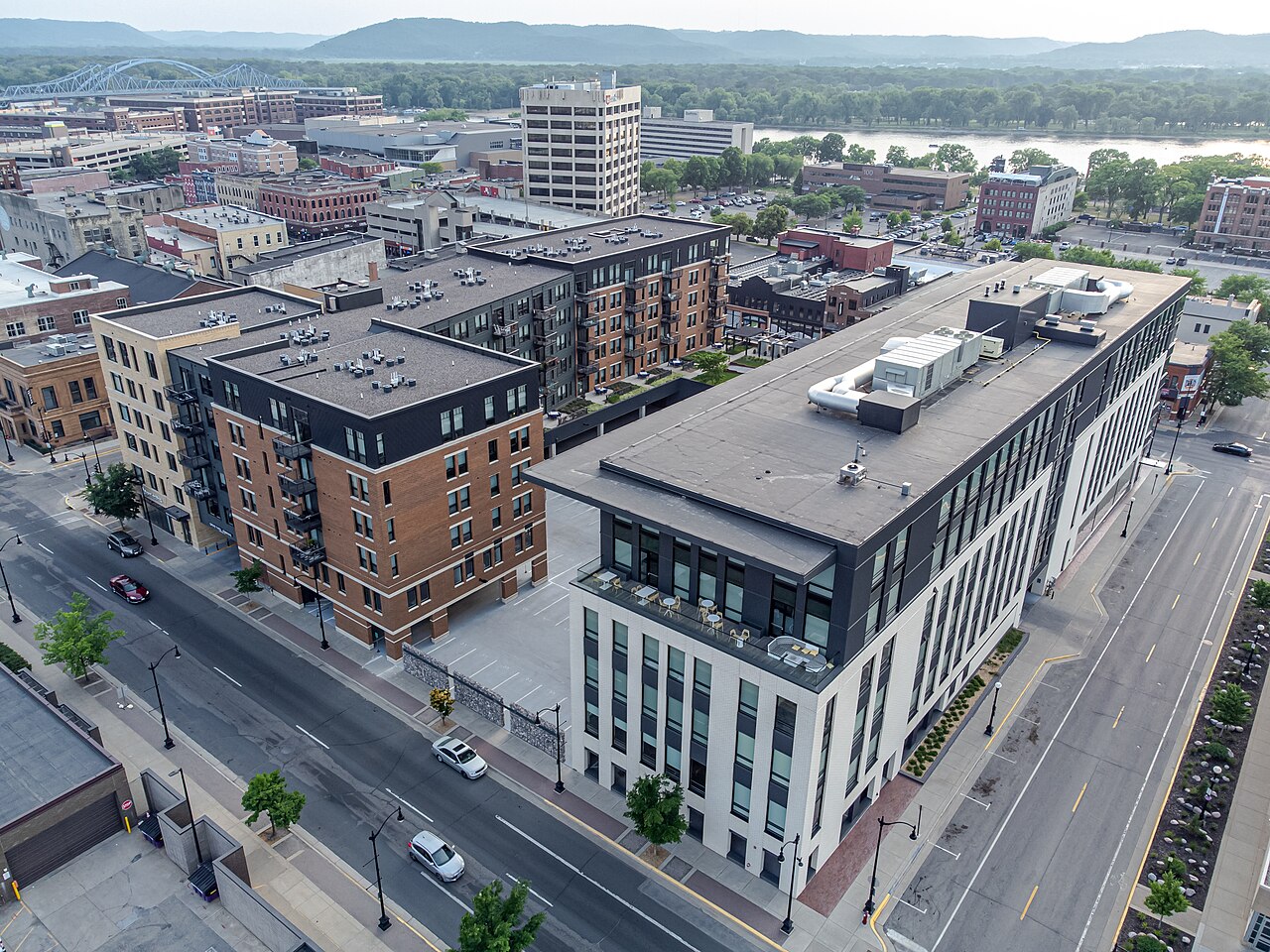
Bell Square Downtown La Crosse, Wisconsin


Geographical Significance and Environmental Dynamics
La Crosse's identity is inextricably linked to its prime location on the western border of Wisconsin, directly alongside the majestic Mississippi River. This positioning makes it the largest city along Wisconsin's western frontier, a crucial gateway between the Midwest and the broader American landscape. The city is situated within La Crosse County, with its geography characterized by the river's floodplain and the surrounding bluffs, remnants of ancient glacial activity.
This topography influences everything from urban development to recreational opportunities. The climate is continental, featuring distinct seasons with cold, snowy winters and warm, humid summers, impacting local agriculture and tourism. The Mississippi River itself is not merely a backdrop but an active participant in the city's life, serving as a vital artery for commerce and recreation, while also presenting challenges related to flood control and environmental management.
The river's presence fosters a unique ecosystem and influences the city's cultural identity.
Historical Evolution
The area now known as La Crosse has a rich history stretching back thousands of years, originally inhabited by various Native American tribes who utilized the river's resources. European exploration and settlement began in earnest in the 19th century, with the city's strategic location on the Mississippi quickly making it a vital hub for steamboat traffic, fur trading, and lumber milling. Its development was significantly shaped by its role as a transportation nexus.
The arrival of railroads further cemented its importance as a commercial center. Throughout the 20th century, La Crosse transitioned from a primary focus on river-based industries to a more diversified economy, embracing manufacturing and, crucially, higher education. Key historical moments include its establishment as a county seat and its continuous growth as a regional center, adapting to economic shifts while retaining its connection to the river that first drew people to its shores.
Cultural Fabric and Community Identity
La Crosse boasts a vibrant cultural scene, deeply influenced by its riverine setting and its history as a meeting point for diverse populations. The city's identity is shaped by its strong educational institutions, which attract a dynamic mix of students and faculty, fostering an environment of intellectual curiosity and cultural exchange. Local traditions often revolve around the river, with events and festivals celebrating its importance.
The presence of major healthcare systems like Mayo Clinic and Gundersen Health System also plays a significant role in the community's well-being and identity, drawing skilled professionals and providing essential services. La Crosse is known for its friendly atmosphere and a strong sense of community pride, often reflected in its well-maintained parks, historic architecture, and active civic engagement. The blend of Midwestern values with the energy of a university town creates a unique and welcoming environment.
Economic Engine
La Crosse functions as a critical economic engine for Western Wisconsin, demonstrating remarkable diversification across several key sectors. Its economy is robust, with the La Crosse–Onalaska metropolitan area generating a substantial Gross Domestic Product (GDP) of $10.1 billion as of 2023. The city serves as a significant hub for manufacturing, with companies contributing to various industries.
Furthermore, its role as a transportation center, facilitated by the Mississippi River and extensive road networks, allows for efficient movement of goods and resources. The presence of major employers such as Kwik Trip, Organic Valley, Mayo Clinic, Gundersen Health System, Gensler, La Crosse Technology, City Brewing Company, and Trane underscores its economic vitality and broad reach. This concentration of diverse industries creates a stable and resilient economic base, attracting talent and investment to the region.
Educational Landscape
Education is a cornerstone of La Crosse's identity and economic strategy. The city is home to a significant concentration of higher education institutions, collectively educating nearly 20,000 students. The University of Wisconsin–La Crosse (UW-La Crosse) is a prominent public university known for its strong programs in liberal arts, sciences, and professional studies.
Viterbo University, a private Catholic university, offers a range of undergraduate and graduate programs with a focus on service and holistic education. Western Technical College provides crucial vocational and technical training, preparing students for skilled trades and technical careers essential to the regional economy. This robust educational ecosystem not only provides pathways for individual advancement but also fuels innovation, research, and a highly skilled workforce that benefits the entire metropolitan area and beyond.
The synergy between these institutions and local industries fosters a dynamic environment for learning and professional development.
See also
Based on content from Wikipedia · Licensed under CC BY-SA 4.0