

Jung Woo-sung
Images

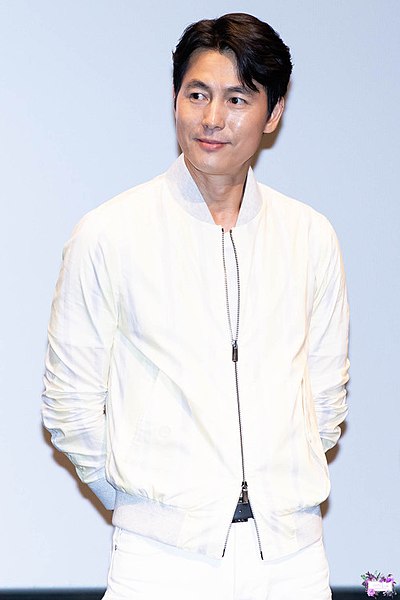
20210305—Jung Woo Sung 정우성, The Hyundai Seoul, Yeouido, Seoul (00m35s) (cropped)




From Fashion Icon to Cinematic Chameleon
Jung Woo-sung's career trajectory is a compelling narrative of transformation and artistic evolution. Emerging onto the South Korean entertainment scene in the mid-1990s, he initially captivated audiences as a prominent fashion model. His striking visual presence and undeniable charisma quickly paved the way for a transition into acting.
His breakthrough came in 1997 with the critically acclaimed film 'Beat,' a role that cemented his status as a rising star and showcased his raw talent. This pivotal moment launched him into a career defined by versatility, allowing him to shed the 'model' label and establish himself as a serious dramatic actor. He has consistently chosen roles that challenge him, demonstrating a keen artistic sensibility and a desire to explore the depths of human emotion across a diverse cinematic landscape.
Navigating Genres
Jung Woo-sung's filmography is a testament to his remarkable range and commitment to diverse storytelling. He has navigated the complexities of various genres with impressive skill, from the gritty realism of urban dramas like 'City of the Rising Sun' (1999) and 'Mutt Boy' (2003) to the grand scale of historical epics such as 'Musa' (2001). His ability to embody characters in romantic classics like 'A Moment to Remember' (2004) further solidified his appeal.
More recently, he has starred in major box-office successes and critically lauded films including 'The Good, the Bad, the Weird' (2008), 'Cold Eyes' (2013), 'The King' (2017), and the intense political thriller 'Steel Rain' (2017). His performances in crime thrillers like 'Asura: The City of Madness' (2016) and 'Beasts Clawing at Straws' (2020) highlight his capacity for portraying morally ambiguous and complex characters, proving his enduring relevance in contemporary cinema.
Critical Acclaim and Artistic Recognition
The depth and nuance of Jung Woo-sung's performances have consistently earned him critical acclaim and prestigious awards. A standout example is his role in 'Innocent Witness' (2019), a film that explored themes of empathy and justice. For this powerful portrayal, he received the coveted Best Actor award at both the 55th Baeksang Arts Awards and the 40th Blue Dragon Film Awards.
These accolades are among the most significant honors in South Korean cinema, underscoring his mastery of the craft and his ability to deliver emotionally resonant performances. His television work, including 'Asphalt Man' (1995) and 'Padam Padam' (2011), has also garnered attention, showcasing his adaptability to different mediums and his sustained presence in the industry.
A Dedicated Humanitarian Voice
Beyond his celebrated acting career, Jung Woo-sung has distinguished himself as a passionate advocate for humanitarian causes. His tenure as the first South Korean Goodwill Ambassador for the United Nations High Commissioner for Refugees (UNHCR), from 2014 to 2024, was marked by significant engagement and advocacy for refugees worldwide. He utilized his considerable public platform to raise awareness, share personal stories, and champion the rights of displaced individuals.
His eventual resignation in 2024, attributed to backlash surrounding his advocacy, underscores the challenges faced by public figures who speak out on sensitive global issues. Nevertheless, his decade-long commitment demonstrates a profound dedication to social justice and a willingness to leverage his influence for the betterment of society, adding a significant dimension to his public persona.
See also
Frequently Asked Questions
What is Jung Woo-sung known for?+
Why did Jung Woo-sung start acting after being a model?+
How many different kinds of movies has Jung Woo-sung acted in?+
When did Jung Woo-sung serve as a UN Goodwill Ambassador?+
What award did Jung Woo-sung win for his role in 'Innocent Witness'?+
Based on content from Wikipedia · Licensed under CC BY-SA 4.0