

Actor
Images
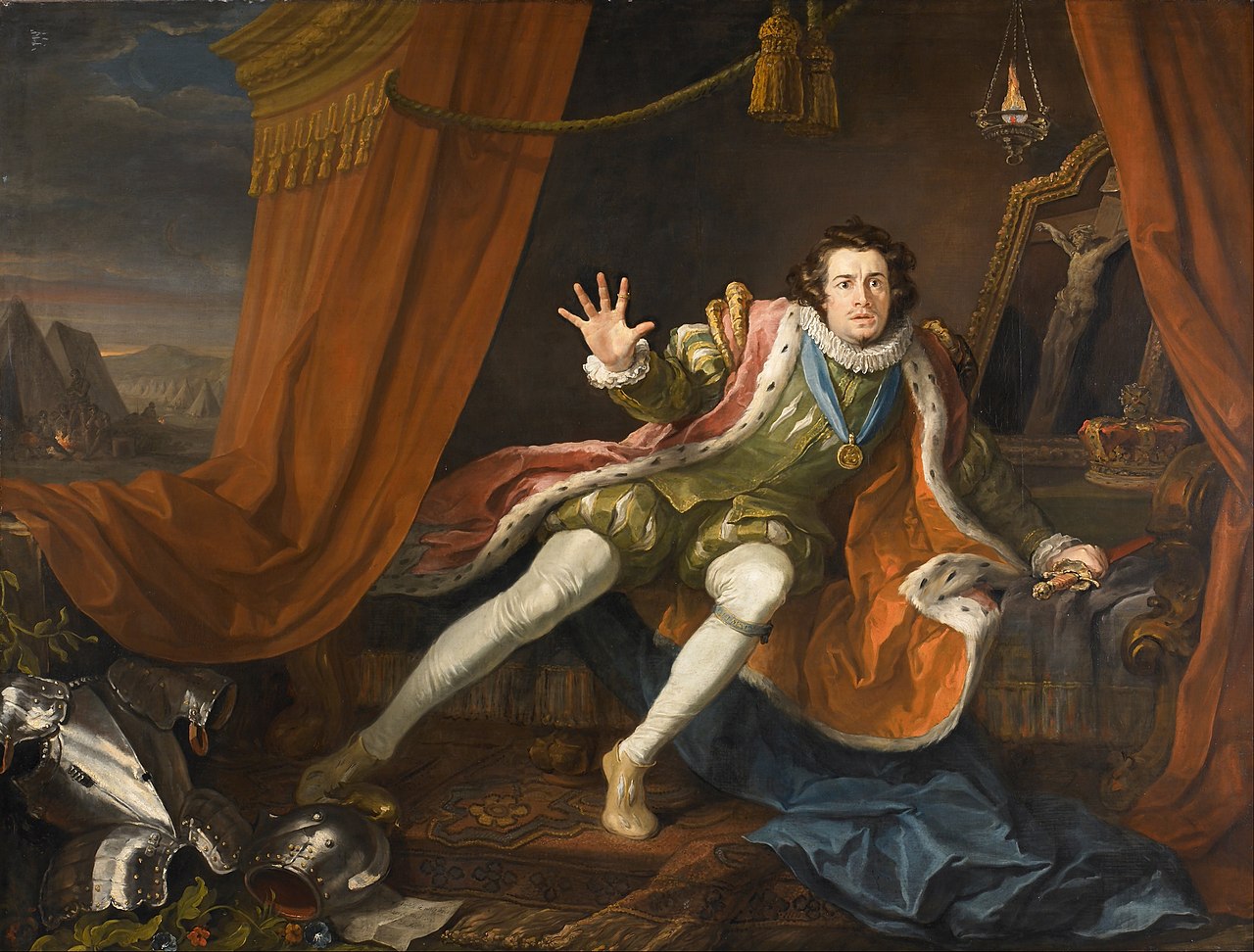
Actor
The Evolution of the Actor
The role of the actor has undergone a profound metamorphosis from its ancient origins to its contemporary manifestations. Initially, acting was deeply intertwined with ritual, religious ceremonies, and oral traditions, serving to transmit myths, historical accounts, and societal values. The formalization of theater in ancient Greece, with playwrights like Sophocles and Euripides, elevated the actor's craft, introducing complex characters and dramatic narratives.
Thespis, often cited as the first actor, is said to have stepped out from the chorus to engage in dialogue, marking a pivotal shift towards individual performance. Throughout history, acting styles have been shaped by cultural contexts: the heightened emotion of Elizabethan drama, the refined naturalism of 19th-century realism, and the avant-garde experimentation of the 20th century. The advent of film and television introduced new demands, requiring actors to master techniques for the camera, such as subtle emotional expression and nuanced performance for close-ups, diverging significantly from the projection needed for large stage audiences.
This historical trajectory underscores acting's enduring capacity to adapt and reflect societal changes.
The Actor's Craft
The actor's craft is a complex discipline demanding intellectual rigor, emotional intelligence, and physical discipline. Modern acting pedagogy encompasses a spectrum of methodologies, each offering distinct approaches to character development. The Stanislavski system, for instance, emphasizes 'the magic if' and emotional recall, encouraging actors to draw upon personal experiences to authentically portray a character's inner life.
Method acting, a derivative, often involves deeper immersion into the character's circumstances, sometimes blurring the lines between actor and role. Conversely, techniques like the Meisner technique focus on truthful reactions to given circumstances, prioritizing instinct and responsiveness. Beyond psychological approaches, actors hone vocal projection, articulation, and dialect work, alongside physical training encompassing movement, dance, and stage combat.
The ability to analyze scripts, understand subtext, and collaborate effectively with directors and fellow actors are crucial components of this multifaceted profession, requiring continuous practice and refinement.
Socio-Cultural Significance
Actors function as vital cultural intermediaries, reflecting and shaping societal norms, values, and discourse. Through their portrayals, they can illuminate the human condition, fostering empathy and understanding across diverse demographics. By embodying characters from various social strata, historical periods, and cultural backgrounds, actors challenge audience preconceptions and broaden perspectives.
They serve as powerful vehicles for social commentary, addressing contentious issues and prompting critical reflection. Furthermore, actors contribute to the preservation and evolution of cultural narratives, reinterpreting classic stories and creating new ones that resonate with contemporary audiences. Their influence extends to shaping public perception, popular culture, and even political discourse.
In essence, actors are not merely entertainers; they are cultural agents who engage audiences intellectually and emotionally, contributing to a society's self-understanding and its capacity for change.
The Professional Actor
The professional actor's journey is characterized by rigorous training, persistent self-advocacy, and navigating a highly competitive industry. Formal education in acting, often at the university or conservatory level, provides a foundational understanding of dramatic theory, performance techniques, and industry practices. This is typically followed by an intensive period of auditions, where actors present prepared monologues or scenes to casting directors and producers.
Success hinges on a combination of talent, preparation, networking, and resilience in the face of frequent rejection. The industry itself is diverse, encompassing theater, film, television, voice acting, and more, each with its unique demands and opportunities. Beyond individual careers, actors collectively influence cultural trends, drive economic activity within the entertainment sector, and contribute to the global dissemination of stories and ideas.
Their work, while often demanding, offers profound opportunities for personal expression and societal engagement.
Go deeper
Frequently Asked Questions
What is an actor?+
Why did acting become more personal in ancient Greece?+
How do actors practice for movies?+
What is the Stanislavski system?+
How do actors help people understand each other?+
Based on content from Wikipedia · Licensed under CC BY-SA 4.0