

Jack Kirby
Images
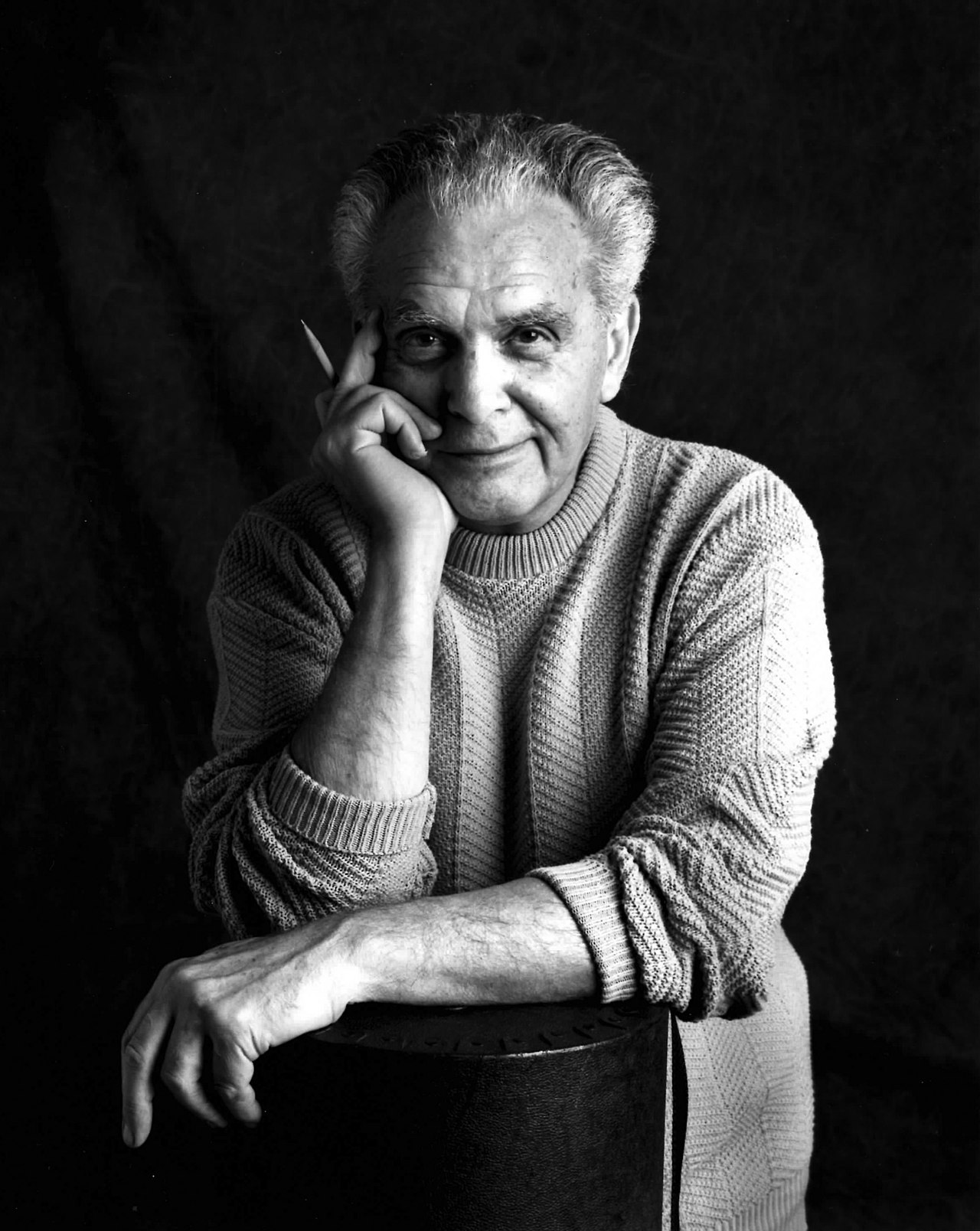
Jack Kirby
From Immigrant Roots to Comic Book Royalty
Born Jacob Kurtzberg in 1917 to Jewish immigrants in New York City's Lower East Side, Jack Kirby's early life was a testament to resilience and artistic drive. He began his professional career in the burgeoning comic book industry during the late 1930s, working under various pseudonyms and contributing to a wide array of genres. However, it was his transformative collaboration with writer Stan Lee at Marvel Comics in the 1960s that etched his name into popular culture history.
This partnership, often characterized by Kirby's prolific visual storytelling and Lee's energetic dialogue, birthed the Fantastic Four, the Incredible Hulk, Thor, the X-Men, and the Silver Surfer, among many others. Kirby's unique artistic sensibility-marked by a powerful, kinetic style, exaggerated anatomy, and a penchant for cosmic grandeur-redefined the visual language of superhero comics, moving them from simple adventure tales to complex, character-driven epics that resonated with a new generation.
The 'Kirby Krackle' and the Language of Cosmic Power
Jack Kirby's artistic innovations were not merely stylistic; they were foundational to the visual grammar of modern comics. His signature 'Kirby Krackle'-a technique of rendering cosmic energy, explosions, and otherworldly phenomena with dense clusters of black dots-became an iconic shorthand for immense power and the unknown. This visual motif, alongside his dramatic panel layouts and dynamic figure work, imbued his stories with an unparalleled sense of scale and dynamism.
Kirby possessed an extraordinary ability to visualize the abstract and the immense, translating complex cosmic concepts into tangible, awe-inspiring imagery. His characters were not static figures but embodiments of raw energy and emotion, their poses and expressions conveying the intensity of their struggles. This visual vocabulary elevated comic book art from mere illustration to a sophisticated form of visual storytelling capable of depicting the truly fantastic.
World-Building Beyond Superheroes
While his work at Marvel is legendary, Kirby's creative vision extended even further. After leaving Marvel, he embarked on ambitious creator-owned projects, most notably his 'Fourth World' saga for DC Comics in the early 1970s. This sprawling epic introduced characters like the New Gods, Darkseid, and the Forever People, exploring profound themes of power, destiny, good versus evil, and the nature of divinity on a cosmic scale.
Kirby's ability to construct intricate mythologies and vast, interconnected universes was unparalleled. He populated these worlds with complex characters and explored sophisticated philosophical ideas, demonstrating a depth and ambition rarely seen in mainstream comics at the time. His influence can be seen in the expansive, lore-rich universes that dominate contemporary media, from blockbuster films to sprawling video game franchises.
A Legacy That Continues to Inspire
Jack Kirby's impact on comic books and popular culture is immeasurable and enduring. He is widely regarded as one of the most important and influential artists in the history of the medium, earning him the moniker 'The King of Comics.' The characters and worlds he co-created continue to be central figures in the global entertainment landscape, adapted into numerous successful films, television shows, and other media, introducing his visionary creations to new generations. His artistic techniques and storytelling approaches are still studied and emulated by aspiring comic artists.
Though he passed away in 1994, Kirby's boundless imagination and unparalleled creative output ensure his legacy remains vibrant, a testament to a true visionary who fundamentally shaped the landscape of modern storytelling.
Go deeper
Frequently Asked Questions
Who was Jack Kirby?+
What are some superheroes Jack Kirby helped create?+
What is the Kirby Krackle?+
What did Jack Kirby do after leaving Marvel?+
Why is Jack Kirby called the "King of Comics"?+
Based on content from Wikipedia · Licensed under CC BY-SA 4.0