

Islamic Art: Colors, Patterns, and Stories!
Images
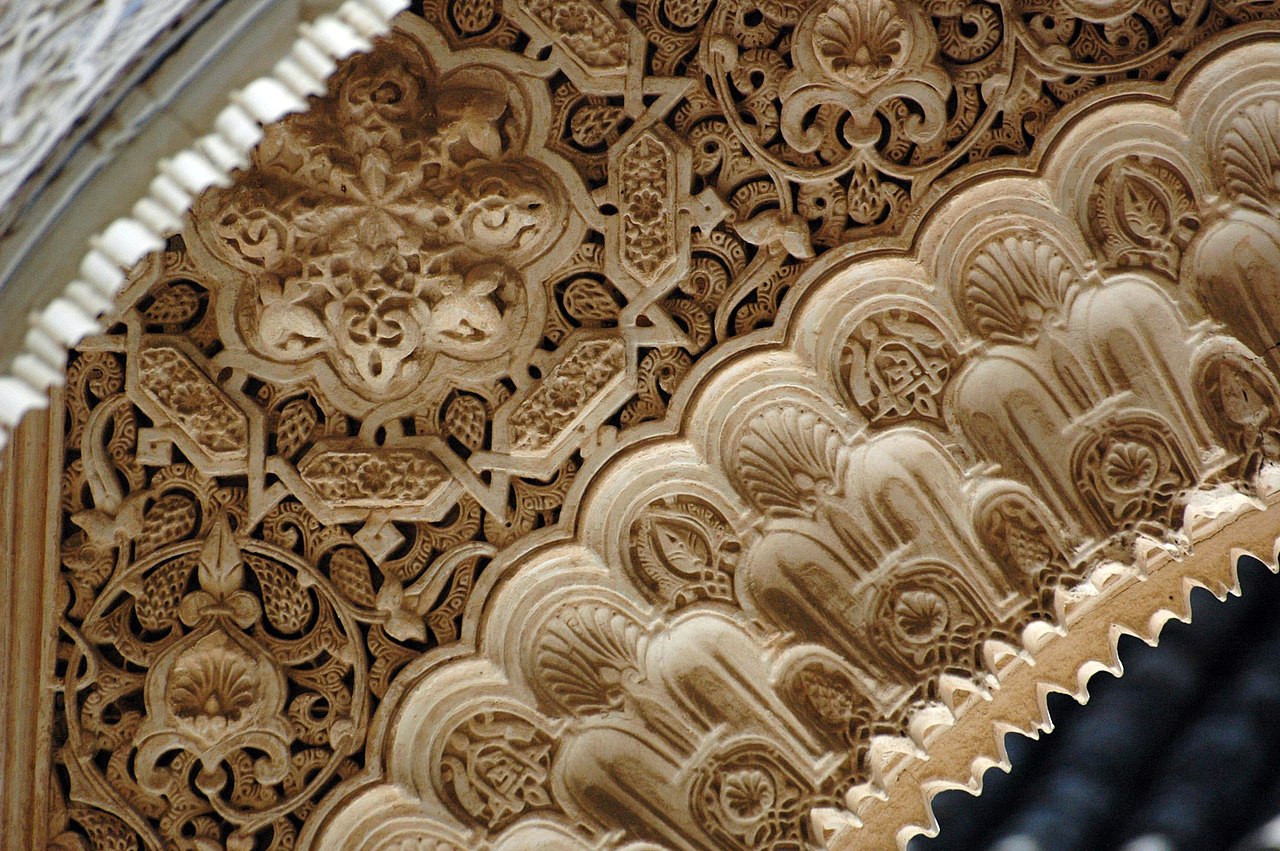
Islamic art
Defining the Undefinable
Islamic art is a complex and expansive artistic phenomenon that transcends geographical boundaries and historical periods, flourishing in regions where Islam has been a dominant cultural force. It is crucial to understand that 'Islamic art' does not refer to a monolithic style dictated by religious dogma, but rather a shared artistic heritage shaped by diverse cultural interactions, patronage, and the evolving needs of Muslim societies. The tradition is characterized by a profound engagement with abstraction, often eschewing figural representation in religious contexts while embracing it in secular settings like miniatures.
Key elements include the masterful use of geometric patterns, which can symbolize the infinite nature of God and the underlying order of the universe; the art of calligraphy, elevated to a supreme visual form for conveying divine revelation and poetic expression; and the arabesque, an intricate, flowing vegetal motif representing the beauty and vitality of nature. This art is not merely decorative; it is deeply imbued with symbolic meaning, serving as a conduit for spiritual contemplation, intellectual inquiry, and the expression of cultural identity across a vast and varied civilization.
Chronicles of Creation
The genesis of Islamic art can be traced to the early Islamic conquests of the 7th century, which brought together disparate artistic traditions – Hellenistic, Roman, Byzantine, Sasanian, and Central Asian – under a new cultural umbrella. Early Umayyad art, exemplified by the Dome of the Rock, synthesized these influences, introducing the mosque as a distinct architectural form and developing mosaic techniques. The Abbasid period (8th-13th centuries) witnessed a flourishing of arts and sciences, with innovations in calligraphy, manuscript illumination, ceramics, and metalwork, often inspired by Persian and Chinese aesthetics.
Subsequent dynasties, such as the Fatimids in Egypt, the Almoravids and Almohads in North Africa and Spain, and the Seljuks in Anatolia, each contributed unique stylistic developments. The Timurid era saw a resurgence of grandeur, particularly in architecture and miniature painting. Later, the 'Gunpowder Empires' – the Ottomans, Safavids, and Mughals – produced some of the most iconic masterpieces, from the grand imperial mosques of Istanbul to the exquisite gardens and mausoleums of India, each empire forging a distinct yet interconnected artistic legacy.
The Resonance of Form
The significance of Islamic art lies in its multifaceted role as a vehicle for spiritual expression, cultural cohesion, and intellectual discourse. In religious architecture, the vast, unadorned spaces of mosques, often adorned with intricate geometric patterns and Quranic calligraphy, are designed to facilitate prayer and contemplation, creating an atmosphere conducive to experiencing the divine. The abstract nature of much of this art allows for a universal appeal, inviting viewers to find their own meaning and connection.
Beyond the sacred, Islamic art beautifies secular spaces, enriches daily life through functional objects like ceramics and textiles, and serves as a repository of knowledge and history through illuminated manuscripts. It fosters a sense of shared identity among diverse populations spread across continents, acting as a visual testament to a rich and interconnected cultural heritage. The enduring appeal of Islamic art stems from its sophisticated aesthetic principles, its deep symbolic resonance, and its capacity to inspire awe and reflection across generations.
Artisanal Mastery
The creation of Islamic art is a testament to extraordinary technical skill and dedication. Calligraphy, considered the highest art form, involves mastering complex scripts like Kufic, Naskh, and Thuluth, requiring years of practice to achieve fluidity and precision. Geometric patterns are often generated through sophisticated mathematical principles, enabling the creation of intricate tessellations that can extend infinitely, a concept reflecting the divine.
Techniques like the development of lustrous glazes in ceramics, producing iridescent effects, and the intricate inlay of precious metals into brass and bronze objects showcase advanced metallurgical and chemical knowledge. In architecture, the development of muqarnas, a complex three-dimensional vaulting system, allowed for the creation of stunning, honeycomb-like effects that defy gravity. The art of bookmaking, including papermaking, illumination, and binding, was also highly developed, preserving and disseminating knowledge and literature through exquisitely crafted manuscripts.
These techniques are not merely functional; they are integral to the aesthetic and symbolic power of the artworks themselves.
Iconic Manifestations
The tangible legacy of Islamic art is vast and awe-inspiring. Architecturally, the Great Mosque of Cordoba, with its forest of horseshoe arches, and the Alhambra palace in Granada, a pinnacle of Nasrid art featuring intricate stucco work and zellij tile mosaics, stand as enduring monuments. In Persia, the mosques of Isfahan, such as the Imam Mosque and Sheikh Lotfollah Mosque, exemplify Safavid architectural brilliance with their dazzling tilework and grand domes.
India's Taj Mahal, a UNESCO World Heritage site, is an unparalleled example of Mughal artistry, blending Persian, Ottoman Turkish, Indian, and Islamic architectural styles with exquisite marble inlay. Beyond monumental structures, the art of the book is represented by masterpieces like the Shahnameh of Shah Tahmasp, a lavishly illustrated Persian epic. Exquisite metalwork from the medieval Islamic world, such as the Baptistery of Saint Louis, and the intricate patterns of Persian and Anatolian carpets, continue to captivate with their beauty and craftsmanship, offering profound insights into the artistic and cultural achievements of Islamic civilizations.
Go deeper
Frequently Asked Questions
What is Islamic art and why does it use patterns instead of pictures of people?+
Why are geometric patterns important in Islamic art?+
How does calligraphy become a special art form in Islam?+
Where did Islamic art start and how did it mix different cultures?+
What are some famous places that show Islamic art?+
Based on content from Wikipedia · Licensed under CC BY-SA 4.0