

Hugo van Lawick
Images
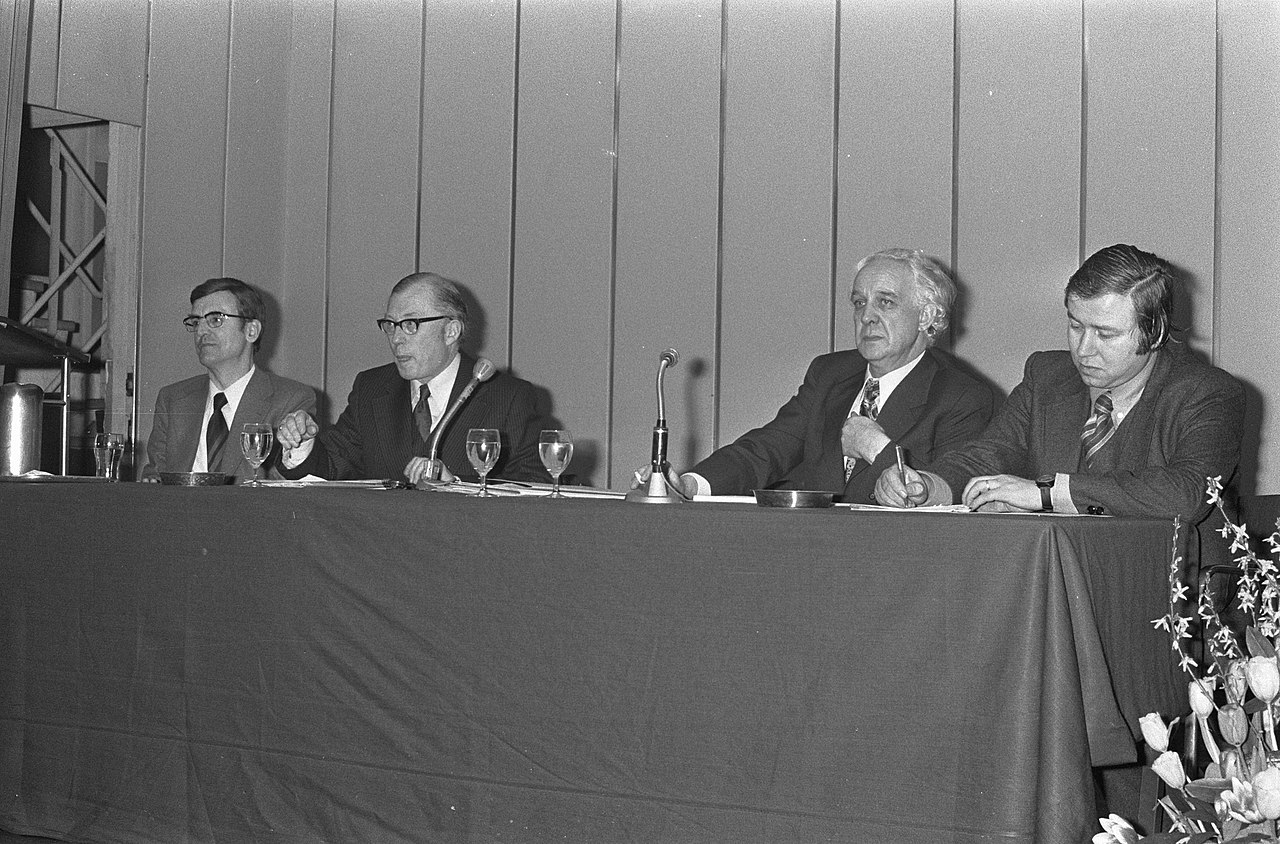
File:Van links naar rechts W. Drees jr., H. Baron van Lawick (directeur 's Rijks Bel…, Bestanddeelnr 926-9530.jpg
The Baron's Lens
Hugo Arndt Rodolf van Lawick, born on April 10, 1937, in the Netherlands, transcended his aristocratic background to become a pivotal figure in wildlife documentary. His career, particularly during the 1960s and 1970s, was intrinsically linked to the groundbreaking research of Jane Goodall at Gombe Stream National Park in Tanzania. Van Lawick's still photographs and films were not merely supplementary; they were instrumental in translating complex scientific observations into a language the general public could understand and appreciate.
His visual narratives brought the intricate social structures, tool-use behaviors, and emotional depth of chimpanzees to a global audience, demystifying these primates and fostering a nascent wave of interest in primatology. This visual evidence was crucial in challenging anthropocentric views and highlighting the cognitive abilities of non-human animals, thereby laying groundwork for future ethological studies and conservation efforts. His ability to capture intimate moments of chimpanzee life, from familial bonds to territorial disputes, offered an unprecedented glimpse into their world.
Beyond Gombe
Van Lawick's photographic and cinematic endeavors extended far beyond the forests of Gombe. He turned his discerning eye to the vast, open plains of the Serengeti, a landscape teeming with iconic African fauna. Here, he meticulously documented the dramatic life cycles and ecological interactions of species such as African wild dogs, elephants, and lions.
His films captured the raw intensity of survival, the intricate dynamics of predator-prey relationships, and the profound challenges faced by these animals in their struggle for existence. By showcasing the resilience and vulnerability of these magnificent creatures, van Lawick's work served as a powerful advocacy tool for wildlife conservation. He illustrated the interconnectedness of the Serengeti ecosystem, demonstrating how the fate of one species is often tied to the health of the entire environment, thereby raising awareness about the urgent need for habitat preservation and anti-poaching initiatives.
The Power of Visual Storytelling in Conservation
The enduring legacy of Hugo van Lawick lies in his profound impact on public perception and his contribution to the field of conservation. His films and photographs were more than just aesthetically pleasing; they were potent instruments for education and advocacy. By making the lives of wild animals accessible and relatable, he cultivated a sense of empathy and connection among viewers, inspiring a generation to care about the natural world.
His work underscored the intrinsic value of biodiversity and the ethical imperative to protect species from extinction. In an era where human encroachment and environmental degradation pose significant threats, van Lawick's visual narratives serve as a vital reminder of what is at stake. His ability to translate scientific discovery into compelling visual narratives helped to bridge the gap between academic research and public engagement, a critical component in fostering effective conservation strategies.
A Legacy of Observation and Advocacy
Hugo van Lawick's career, which spanned several decades until his passing on June 2, 2002, left an indelible mark on wildlife documentation. His dedication to capturing the authentic behaviors and life stories of animals provided invaluable historical records of species and ecosystems that continue to evolve and face new challenges. His work not only informed scientific understanding but also ignited a passion for the natural world in countless individuals, many of whom became advocates for conservation themselves.
The films and photographs he created remain potent resources, offering insights into animal behavior, ecological processes, and the urgent need for global stewardship of our planet's precious wildlife. His legacy is a testament to the power of art and science combined to foster a deeper appreciation and commitment to preserving the wild.
See also
Frequently Asked Questions
Who was Hugo van Lawick?+
What animals did he photograph?+
How did his work help people understand animals?+
Where did he work with Jane Goodall?+
Why is his work important for conservation?+
Based on content from Wikipedia · Licensed under CC BY-SA 4.0