

Holika Dahan: The Festival of Fire and Fun!
Images

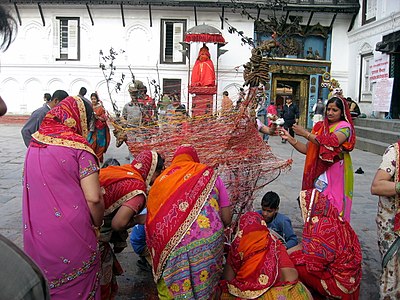
Holika Dahan at Koparkhairane, Navi Mumbai


The Mythological Genesis
Holika Dahan's narrative tapestry is woven from the ancient Puranic tale of Prahlada, a prince whose unwavering devotion to Lord Vishnu defied his tyrannical father, Hiranyakashipu. Hiranyakashipu, a powerful demon king, sought to eradicate his son's faith through brutal means. He enlisted the aid of his sister, Holika, who possessed a divine boon rendering her impervious to fire.
The climax of this legend involves Holika sitting atop a pyre with Prahlada on her lap, intending to immolate him. However, the boon was contingent on Holika entering the fire alone; by taking Prahlada with her, she forfeited its protection. Consequently, Holika was consumed by the flames, while Prahlada, shielded by his devotion and divine grace, emerged unscathed.
This foundational myth imbues Holika Dahan with its core symbolism: the ultimate victory of righteousness and divine protection over malevolent power and arrogance. The ritualistic burning of Holika's effigy serves as a potent, tangible representation of this cosmic justice, reinforcing the belief that virtue, however tested, will ultimately prevail.
The Bonfire as a Catalyst for Transformation and Community Cohesion
The central act of Holika Dahan, the lighting of a massive bonfire, is a deeply symbolic and communal ritual. The construction of the pyre, often a meticulously arranged stack of wood and other combustible materials, can be a community effort, fostering a sense of shared purpose and collective identity. As the flames ascend, they are not merely a spectacle but a catalyst for transformation.
The fire is believed to purify the environment, dispelling negative energies, illnesses, and sins accumulated over the past year. Participants often circumambulate the bonfire, chanting mantras and offering prayers, a practice that signifies their commitment to shedding past transgressions and embracing a renewed spiritual path. This shared experience of confronting and symbolically destroying negativity strengthens social bonds and reinforces the collective consciousness of the community, preparing them for the joyous celebrations of Holi that follow.
Socio-Cultural Significance
Holika Dahan transcends its mythological origins to serve as a significant socio-cultural marker. It acts as a moral compass, reminding individuals of the eternal struggle between good and evil and the importance of ethical conduct. The festival encourages introspection, prompting people to identify and 'burn' their own negative tendencies, such as anger, greed, and jealousy, thereby promoting personal growth and self-improvement.
Furthermore, Holika Dahan is intrinsically linked to the transition from winter to spring, a period of natural renewal and rejuvenation. This connection is evident in its timing, occurring on the eve of Holi, the festival of colors, which celebrates the vibrancy and fertility of the spring season. In regions like Tamil Nadu, the observance of Kama Dahanam, associated with Lord Shiva's destruction of Kamadeva, the god of desire, adds another layer of meaning, symbolizing the transcendence of earthly passions for spiritual enlightenment.
Regional Variations and Enduring Relevance in a Globalized World
While the core narrative of Holika Dahan remains consistent, its celebration exhibits rich regional variations across India and in diaspora communities worldwide. The specific rituals, songs, and even the mythological associations can differ. For instance, the Kama Dahanam tradition in South India, with its pantomimes and effigy burning, offers a distinct cultural flavor.
These variations highlight the adaptability and enduring appeal of the festival, allowing it to resonate with diverse local contexts. In an increasingly globalized world, Holika Dahan continues to be a vital thread connecting individuals to their cultural heritage and ancestral traditions. It serves as a powerful reminder of timeless values and provides a framework for communal celebration and spiritual reflection, proving that ancient rituals can maintain profound relevance in contemporary society.
See also
Frequently Asked Questions
What is Holika Dahan and why do people light a big bonfire?+
Who was Prahlada and why was he saved from the fire?+
Why does Holika's fire story teach us about being kind and honest?+
How does the bonfire help people feel better and get ready for Holi?+
What does Holika Dahan have to do with spring and new beginnings?+
Based on content from Wikipedia · Licensed under CC BY-SA 4.0