

Tokyo: A City That Grew and Grew!
Images

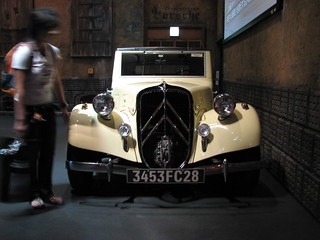
1959 Cadillac Convertible, History Garage, Tokyo


The Genesis of Edo
The history of Tokyo, or Edo as it was known for centuries, is a narrative of strategic development and profound sociopolitical transformation. Archaeological findings suggest human habitation in the region dating back approximately 5,000 years. However, Edo's emergence as a significant entity began in the late 12th century.
Its true ascendancy commenced in 1603 when Tokugawa Ieyasu established his shogunate, relocating the de facto capital from Kyoto to Edo. This decision was pivotal, shifting the nation's political and administrative power base. Edo rapidly evolved from a modest castle town into a sprawling metropolis, becoming Japan's largest city by the mid-17th century and the world's largest by 1720, with an estimated population exceeding one million.
This growth was fueled by the sankin-kotai system, which required daimyo (feudal lords) to spend alternate years in Edo, fostering immense economic activity and cultural exchange, solidifying its status as the nation's vibrant heart.
Resilience Amidst Catastrophe
Tokyo's historical trajectory is marked by remarkable resilience in the face of devastating natural and man-made disasters. The Great Fire of Meireki in 1657 stands as a stark reminder of the city's vulnerability, consuming an estimated 60-70% of Edo and claiming over 100,000 lives, a tragedy that profoundly impacted urban planning and fire prevention measures. Later, the Great Kanto Earthquake of 1923 inflicted catastrophic damage, triggering widespread fires and causing immense loss of life, estimated at over 100,000 fatalities.
The city faced further devastation during World War II, particularly from the Allied firebombing raids, with Operation Meetinghouse in March 1945 being one of the most destructive air raids in history, killing over 100,000 people and destroying vast swathes of the city. Each disaster tested the city's spirit, yet Tokyo consistently demonstrated an extraordinary capacity for rebuilding and adaptation, often emerging stronger and more modern.
The Meiji Restoration and Tokyo's Modernization
The mid-19th century heralded a period of immense change for Japan, culminating in the Meiji Restoration of 1868. This pivotal event marked the end of the Tokugawa shogunate and the restoration of imperial rule, with the Emperor Meiji relocating the imperial court from Kyoto to Edo. The city was subsequently renamed Tokyo, signifying its new role as the 'Eastern Capital.' This era initiated Japan's rapid modernization and Westernization.
Tokyo became the epicenter of these reforms, embracing new technologies, infrastructure development, and Western architectural styles. The opening of Japan to international trade and diplomacy further integrated Tokyo into the global network, setting the stage for its future as a major world city, though this transition was not without internal conflict, such as the Boshin War.
Post-War Reconstruction and Global Prominence
Following its defeat in World War II and subsequent Allied occupation until 1952, Tokyo embarked on an ambitious journey of reconstruction and economic resurgence. The post-war period witnessed Japan's remarkable 'economic miracle,' with Tokyo at its forefront. Hosting the 1964 Summer Olympics was a defining moment, symbolizing the nation's recovery and showcasing its modern infrastructure, including the expansion of its transportation networks like the Tokyo Metro and the Shinkansen bullet train.
Despite facing economic stagnation in the 'Lost Decades' of the 1990s and the challenges posed by the COVID-19 pandemic, which led to the postponement of the 2020 Summer Olympics, Tokyo has consistently maintained its status as a global megacity. Its immense population, economic dynamism, and cultural influence underscore its enduring significance on the world stage.
See also
Based on content from Wikipedia · Licensed under CC BY-SA 4.0