

Tokugawa Shogunate: Japan's Super Samurai Rulers!
Images
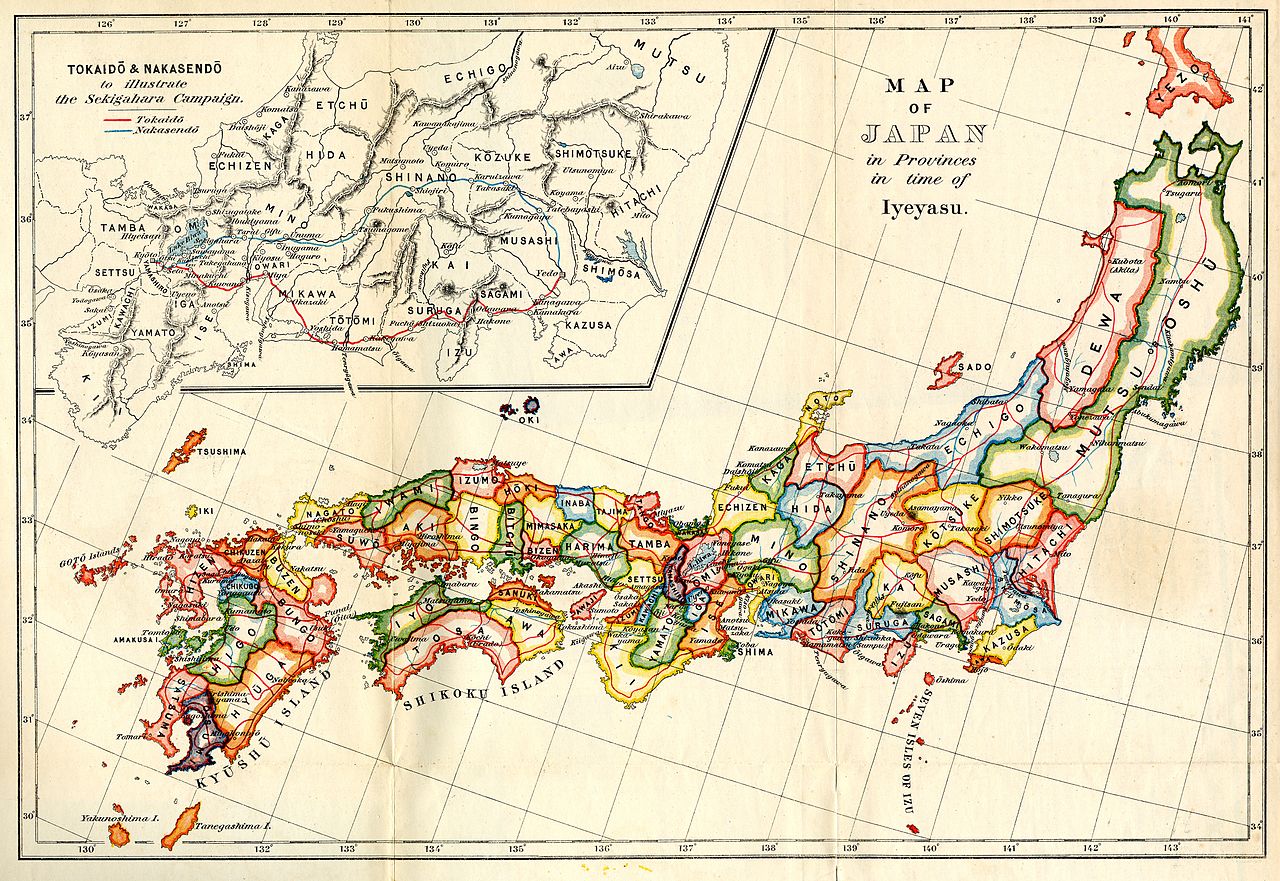
Tokugawa shogunate
Consolidating Power
The Tokugawa shogunate emerged from the ashes of the tumultuous Sengoku period, a century of near-constant civil war. Tokugawa Ieyasu, after consolidating his power through strategic alliances and decisive military victories, notably the Battle of Sekigahara in 1600, was appointed Shogun in 1603. This appointment wasn't merely a title; it signified the establishment of a centralized military government that would dominate Japanese politics for over two centuries.
Ieyasu implemented the 'bakuhan' system, a dual structure where the shogunate (baku) held ultimate authority, while regional feudal lords (to) governed their own domains, albeit under strict shogunal oversight. This system, combined with policies like the 'sankin-kotai' (alternate attendance) requiring daimyo to spend every other year in Edo, effectively controlled the powerful feudal lords and prevented any serious challenges to Tokugawa rule.
Sakoku
The policy of sakoku, implemented in stages throughout the 1630s, represented a radical departure from Japan's earlier engagement with the outside world. Driven by a desire to eliminate foreign influence, particularly Christianity, and to maintain internal stability, the shogunate severed most ties with other nations. Trade was limited to a few designated ports and controlled by specific groups, such as the Dutch at Dejima island in Nagasaki.
While this policy fostered a unique and insular Japanese culture, it also meant Japan lagged significantly behind the West in technological and military advancements. This technological gap would become critically apparent in the mid-19th century when faced with the formidable naval power of Western nations, ultimately leading to the shogunate's downfall.
The Shi-no-ko-sho System
The Tokugawa social structure, known as shi-no-ko-sho, rigidly categorized society into four main classes: samurai, farmers, artisans, and merchants. This hierarchical system was designed to maintain order and prevent social mobility, with the samurai class at the apex, enjoying privileges and responsibilities of governance. While intended to ensure stability, this rigid structure inadvertently stifled economic innovation.
Farmers, the backbone of the economy, were heavily taxed, limiting their ability to invest or improve agricultural techniques. Merchants, despite accumulating wealth, held low social status and were often restricted in their economic activities. This social engineering, while successful in maintaining peace for centuries, contributed to economic stagnation and growing discontent by the end of the shogunate.
Cultural Renaissance and the Seeds of Change
Despite its restrictive policies, the Tokugawa era witnessed an extraordinary cultural renaissance. The long period of peace and urbanization led to the flourishing of popular arts and entertainment. Ukiyo-e woodblock prints depicted scenes of everyday life, famous actors, and beautiful women, becoming accessible to the masses. Kabuki theater and Bunraku puppet shows captivated urban audiences. Haiku poetry, exemplified by masters like Basho, offered profound insights into nature and human experience.
This vibrant cultural landscape, however, coexisted with growing internal pressures. Economic disparities, the rise of a wealthy merchant class chafing under social restrictions, and the increasing awareness of Western power began to sow the seeds of discontent that would ultimately lead to the Meiji Restoration and the end of the shogunate.
The Inevitable End
By the mid-19th century, the Tokugawa shogunate faced an existential crisis. The arrival of U.S. Commodore Matthew Perry in 1853, with his 'black ships' and demands for trade, shattered Japan's isolationist facade.
The shogunate's inability to effectively respond to this external threat exposed its internal weaknesses and the obsolescence of its military technology. This event triggered a period of intense political turmoil, known as the Bakumatsu, where pro-imperial and anti-shogunate forces gained momentum. Ultimately, the shogunate was overthrown in 1867, leading to the Meiji Restoration, a period of rapid modernization and industrialization that transformed Japan into a major world power.
The Tokugawa shogunate's legacy is thus one of profound paradox: a period of unprecedented peace and cultural achievement that simultaneously laid the groundwork for its own dramatic collapse.
Go deeper
Frequently Asked Questions
What was the Tokugawa shogunate and how long did it rule Japan?+
Why did the Tokugawa shogunate keep Japan peaceful?+
How did the Tokugawa shogunate limit contact with other countries?+
What were the four social classes in the Tokugawa era?+
What kinds of art and entertainment grew during the Tokugawa period?+
Based on content from Wikipedia · Licensed under CC BY-SA 4.0