

Tokugawa Ieyasu
Images
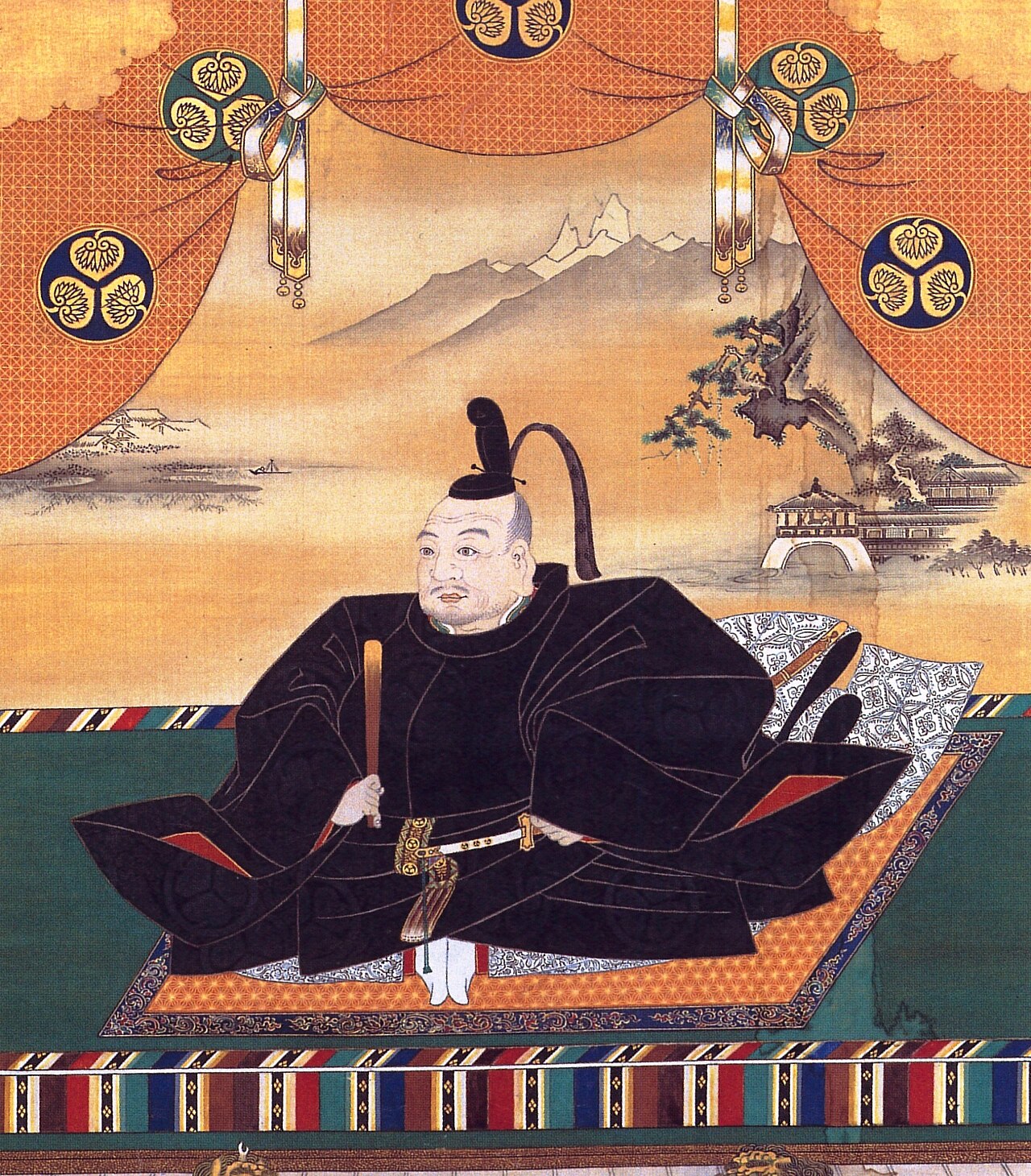
Tokugawa Ieyasu
Forging a Path Through Sengoku Jidai's Turmoil
Born Matsudaira Takechiyo in 1543, Tokugawa Ieyasu's early life was defined by the brutal realities of the Sengoku Jidai, the 'Warring States period.' As a child, he was a political pawn, held hostage by both the Imagawa and Oda clans, enduring years of precarious existence that honed his patience, observation skills, and strategic foresight. His survival and eventual rise were testaments to his ability to forge and maintain alliances in a landscape of constant betrayal and shifting loyalties. He meticulously built his power base in the Mikawa province, demonstrating a pragmatic approach to warfare and diplomacy, often prioritizing long-term stability over immediate gains.
His early career was a masterclass in political maneuvering, setting the stage for his ultimate unification of Japan.
The Decisive Victory at Sekigahara and the Establishment of the Shogunate
The Battle of Sekigahara in 1600 was the culmination of decades of Ieyasu's strategic planning and military campaigns. This monumental clash, involving an estimated 160,000 soldiers, pitted Ieyasu's Eastern Army against the Western Army led by Ishida Mitsunari, loyal to the Toyotomi clan. Ieyasu's victory was not solely due to military might but also to his masterful diplomacy, which secured the allegiance of key daimyo through promises and strategic marriages.
The aftermath saw Ieyasu consolidate his power, systematically dismantling opposition and rewarding his loyal followers. In 1603, he was appointed Shogun by the Emperor, establishing the Tokugawa Shogunate and officially ending the Sengoku Jidai, ushering in a new era of centralized authority.
Architect of Stability
Ieyasu's genius lay not only in winning battles but in creating a lasting peace. The Tokugawa Shogunate was built on a sophisticated system of control designed to prevent any resurgence of civil war. The 'Buke Shohatto' (Laws Governing Military Houses) imposed strict regulations on daimyo, limiting castle construction, forbidding alliances, and mandating loyalty oaths.
The 'Sankin-kotai' system, requiring daimyo to reside in Edo for alternating periods, served a dual purpose: it kept them under surveillance and financially depleted them through the costs of travel and maintaining dual residences. Furthermore, Ieyasu initiated policies of national isolation ('sakoku'), severely restricting foreign trade and travel, which, while limiting external influences, ensured internal stability and prevented foreign powers from interfering in Japanese affairs.
The Enduring Impact
Tokugawa Ieyasu's legacy is inextricably linked to the Edo period (1603-1867), a remarkable era of over 260 years of uninterrupted peace and relative prosperity. This prolonged stability allowed for significant societal, economic, and cultural developments. Urban centers like Edo, Osaka, and Kyoto flourished, fostering a vibrant merchant class and the growth of popular culture, including Kabuki theater, Ukiyo-e woodblock prints, and haiku poetry.
While the isolationist policies eventually contributed to Japan's technological lag compared to the West, the peace and order established by Ieyasu provided a unique cultural foundation. His meticulous statecraft and strategic vision fundamentally reshaped Japan, creating a distinct national identity and leaving an indelible mark on its history, influencing its trajectory even into the modern era.
Go deeper
Frequently Asked Questions
Who was Tokugawa Ieyasu?+
Why did Tokugawa Ieyasu win the Battle of Sekigahara?+
How did Tokugawa Ieyasu keep Japan peaceful?+
What was the Tokugawa Shogunate?+
What happened in Japan during the Edo period?+
Based on content from Wikipedia · Licensed under CC BY-SA 4.0