

Henry Fonda
Images
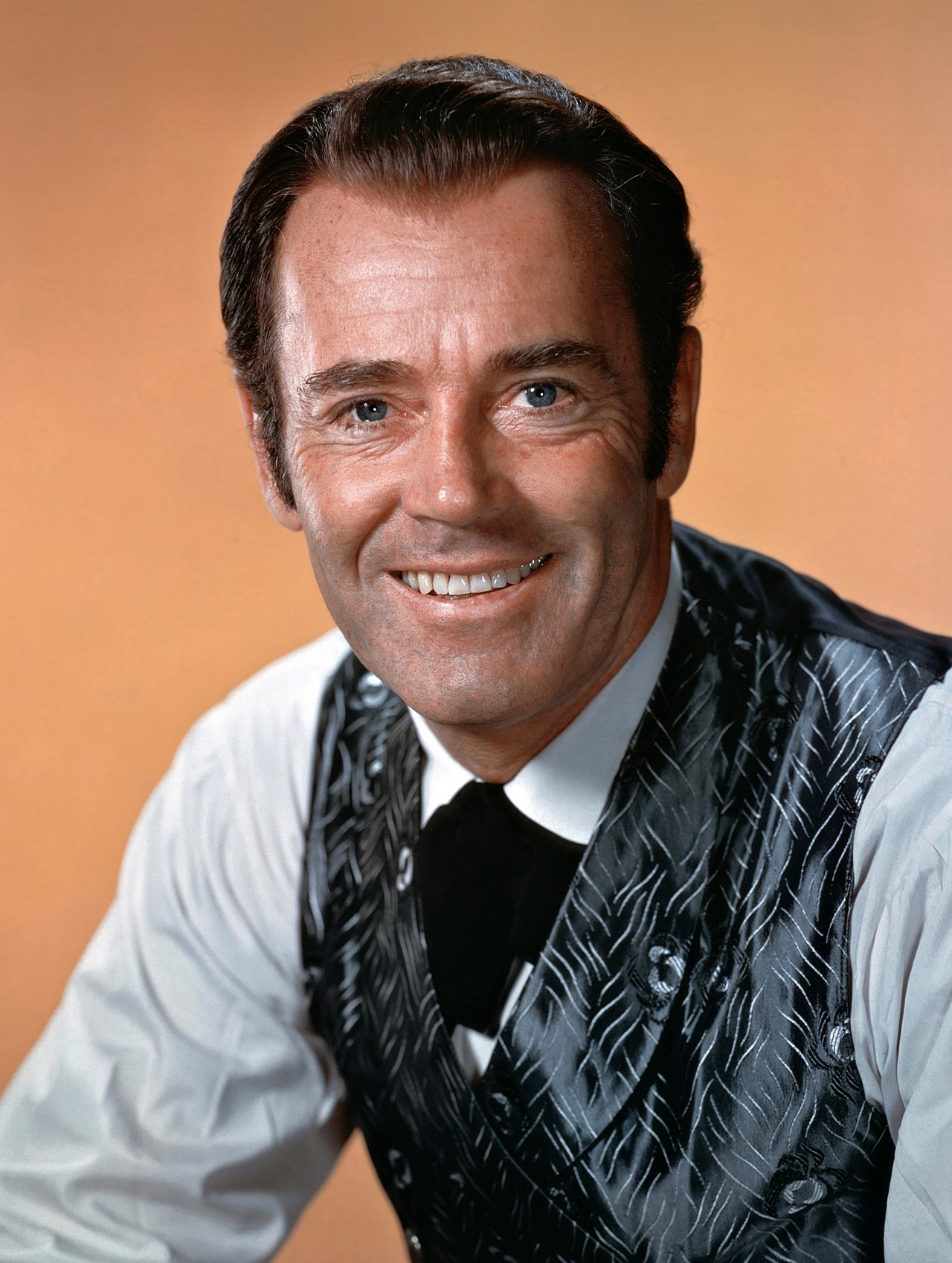
Henry Fonda
From Midwestern Roots to Stardom
Henry Jaynes Fonda, born May 16, 1905, in Grand Island, Nebraska, emerged from the American heartland to become one of Hollywood's most enduring stars. His early life in Nebraska instilled a sense of grounded authenticity that would define his acting persona. Fonda's theatrical beginnings on Broadway in the early 1930s honed his craft, establishing him as a compelling stage actor before he transitioned to the silver screen.
His film debut in 1935 marked the beginning of a career that would span five decades. Fonda quickly distinguished himself by embodying the 'everyman' – characters who resonated with audiences due to their relatable struggles, moral integrity, and quiet strength. This archetypal portrayal became his signature, seen in early successes like 'Jezebel' (1938) and 'Young Mr.
Lincoln' (1939), where he brought historical figures to life with a palpable sense of humanity.
Navigating Hollywood's Golden Age
Fonda's career trajectory was marked by a remarkable versatility that defied easy categorization. He earned his first Academy Award nomination for his poignant portrayal of Tom Joad in John Ford's adaptation of 'The Grapes of Wrath' (1940), a role that cemented his status as a leading man capable of conveying profound social commentary. His collaborations with director John Ford were particularly fruitful, yielding classics like 'My Darling Clementine' (1946) and 'Fort Apache' (1948), which defined the modern Western genre.
Beyond Westerns, Fonda demonstrated his range in the sophisticated screwball comedy 'The Lady Eve' (1941) and later, after serving in World War II, in the tense drama 'The Ox-Bow Incident' (1943). His ability to shift between genres and character types, always maintaining a core of authenticity, made him a consistently compelling screen presence.
The Power of Conviction
A pivotal moment in Fonda's career, and a testament to his artistic vision, was his involvement in '12 Angry Men' (1957). Fonda not only starred as Juror 8, the lone voice of reason challenging a guilty verdict, but also co-produced the film. This project allowed him significant creative control, enabling him to champion a story that explored themes of justice, prejudice, and civic duty.
His performance as the quietly resolute juror is a masterclass in understated intensity, earning him critical acclaim and a BAFTA Award. The film's success, largely driven by Fonda's conviction and performance, highlighted his commitment to meaningful storytelling and his ability to command attention through subtle, powerful acting rather than overt theatrics.
A Lasting Legacy
In the latter stages of his career, Fonda continued to challenge himself with diverse roles, including a memorable villain in Sergio Leone's epic 'Once Upon a Time in the West' (1968). His final film appearance was in 'On Golden Pond' (1981), a deeply personal project where he starred alongside Katharine Hepburn and his daughter, Jane Fonda. This role earned him the Academy Award for Best Actor, a crowning achievement for a career spanning over fifty years.
Though too ill to accept the award in person, it recognized his lifelong dedication to his craft. Henry Fonda passed away on August 12, 1982, leaving an indelible mark on American cinema. He is remembered not only for his iconic performances but also as the patriarch of a celebrated acting dynasty, including his son Peter Fonda and granddaughter Bridget Fonda.
His legacy endures through his extensive filmography and his profound influence on the portrayal of American character in film.
Go deeper
Frequently Asked Questions
Who was Henry Fonda?+
What was Henry Fonda's first movie?+
Which movie earned Henry Fonda an Oscar?+
Did Henry Fonda act in Western movies?+
What role did Henry Fonda play in 12 Angry Men?+
Based on content from Wikipedia · Licensed under CC BY-SA 4.0