

Hawaii
Images
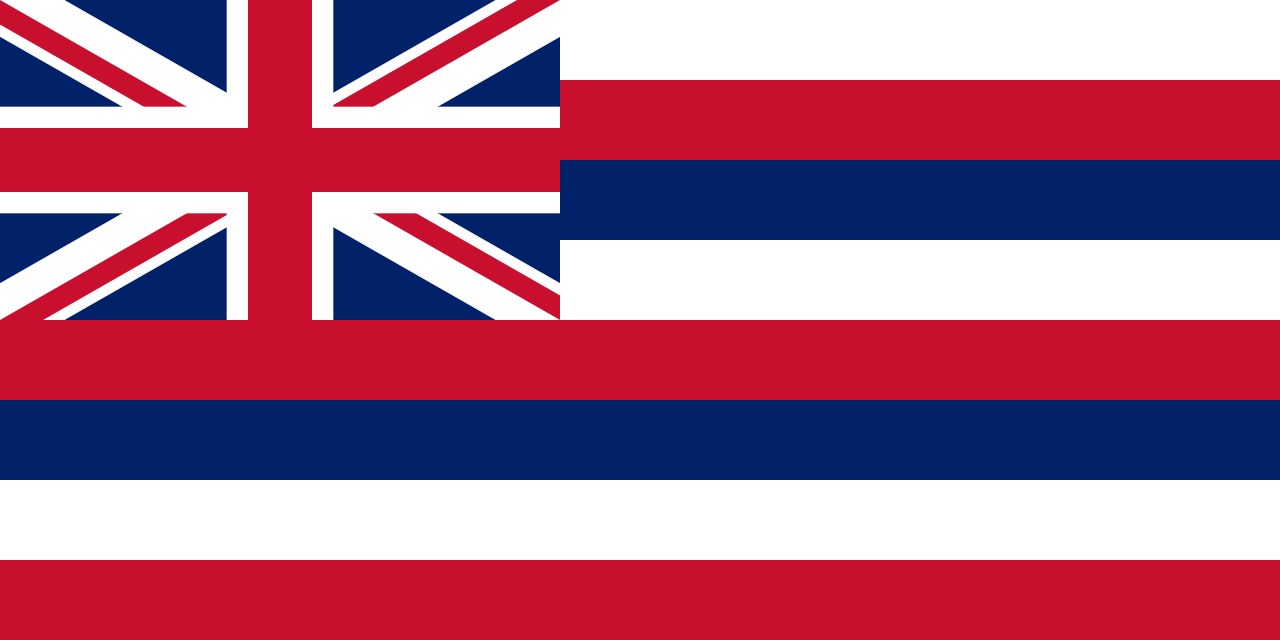
Hawaii
Geological Marvel and Strategic Location
Hawaii's existence is a testament to powerful geological forces. Situated in the central Pacific Ocean, approximately 2,000 miles from the U.S. mainland, it is the only U.S. state that is an archipelago and the only one located entirely within the tropics. The state comprises 137 islands, the vast majority of which are uninhabited, forming the Hawaiian archipelago.
These islands are volcanic in origin, created by a 'hotspot' beneath the Pacific Plate that has been erupting for millions of years. The southeasternmost island, Hawaiʻi (the Big Island), is the youngest and still geologically active, with active volcanoes like Mauna Loa and Kīlauea. This geological dynamism shapes its unique landscape, from black sand beaches to towering volcanic peaks.
Physiographically and ethnologically, Hawaii is part of the Polynesian subregion of Oceania. Its extensive coastline, measuring about 750 miles, is the fourth-longest in the U.S., highlighting its deep connection to the ocean. The state's isolation contributes to a unique ecosystem and a high cost of living, yet also makes it a crucial strategic location in the Pacific.
From Ancient Voyagers to Statehood
The human history of Hawaii began between 1000 and 1200 CE, when Polynesian navigators, using sophisticated celestial and oceanic knowledge, successfully colonized the remote islands. They established a complex society with distinct chiefdoms. This isolation was dramatically broken in 1778 with the arrival of British explorer James Cook, who named the islands the Sandwich Islands.
Early European and American contact, while introducing new technologies and ideas, also brought devastating diseases like syphilis, tuberculosis, smallpox, and measles, to which the native population had no immunity. This led to a catastrophic decline in the native Hawaiian population, from an estimated 300,000-1,000,000 to less than 40,000 by 1890. In 1810, Kamehameha I unified the islands into a sovereign kingdom.
However, the monarchy was overthrown in 1893 by American and European businessmen, leading to the U.S. annexation in 1898. Hawaii's strategic importance was underscored during World War II with the attack on Pearl Harbor on December 7, 1941, which propelled the U.S. into the war. Hawaii officially became the 50th U.S. state on August 21, 1959.
The U.S. government formally apologized in 1993 for its role in the overthrow of the Hawaiian monarchy, acknowledging the historical injustices and fueling the ongoing Hawaiian sovereignty movement.
Hawaii's Demographics and Culture
Hawaii stands out as one of the most demographically diverse states in the U.S., a direct result of its historical position as a crossroads in the Pacific and centuries of migration. It is one of nine majority-minority states, boasting the only Asian American plurality and the largest proportion of multiracial individuals in the nation. This rich cultural tapestry is woven from the threads of indigenous Hawaiian heritage, significant East Asian influences (particularly from China, Japan, and the Philippines), and contributions from European and North American settlers.
This unique blend is reflected in its cuisine, music, language, and traditions. The concept of the 'Aloha Spirit' is central to Hawaiian identity, embodying principles of love, peace, compassion, and mutual respect, fostering a sense of community and interconnectedness. While English is the most commonly spoken language, Hawaiian is also an official language and is experiencing a revival, with efforts to preserve and promote its use.
Economic Pillars
Historically, Hawaii's economy was heavily reliant on plantation agriculture, primarily sugar cane and pineapple cultivation, which leveraged its fertile volcanic soil and tropical climate. While these sectors remain important agricultural exporters, the state's economy has significantly diversified since the mid-20th century. Tourism has emerged as the dominant industry, drawing millions of visitors annually with its world-renowned beaches, surfing spots, active volcanoes, and stunning natural beauty.
The state's strategic location also makes it a vital hub for the U.S. military, hosting the United States Pacific Fleet, the world's largest naval command, and tens of thousands of Department of Defense employees. This economic structure, while generating wealth, also contributes to one of the highest costs of living in the U.S. due to the expense of importing goods and its geographical isolation. Despite these challenges, Hawaii ranks as the third-wealthiest state, and its residents benefit from the longest life expectancy in the nation, often attributed to lifestyle factors and access to healthcare.
Governance and Education in the Aloha State
As the 50th U.S. state, Hawaii operates under a democratic republican system of government, mirroring that of the federal government and other states. It has a governor as the chief executive, a bicameral legislature consisting of the State Senate and State House of Representatives, and a judicial system headed by the Hawaii Supreme Court. The state's unique history, including the overthrow of its monarchy and subsequent annexation, has led to ongoing discussions and movements regarding Hawaiian sovereignty and self-determination.
In education, Hawaii is committed to providing opportunities for its diverse population. The University of Hawaiʻi system is the primary public higher education institution, with multiple campuses across the islands, including the flagship University of Hawaiʻi at Mānoa. The state also emphasizes the importance of cultural education, integrating Hawaiian language and history into its curriculum to preserve and promote its indigenous heritage.
The educational system faces challenges related to its isolated geography, impacting resource allocation and accessibility, but strives to offer quality education to all residents.
Go deeper
Frequently Asked Questions
What makes Hawaii a volcanic island chain?+
Why is Hawaii called the "Aloha State"?+
How did Hawaii become a U.S. state?+
Where is the most active volcano in Hawaii located?+
Why are there so many different cultures in Hawaii?+
Based on content from Wikipedia · Licensed under CC BY-SA 4.0