

Haitian Vodou: Magic, Music, and Spirits!
Images
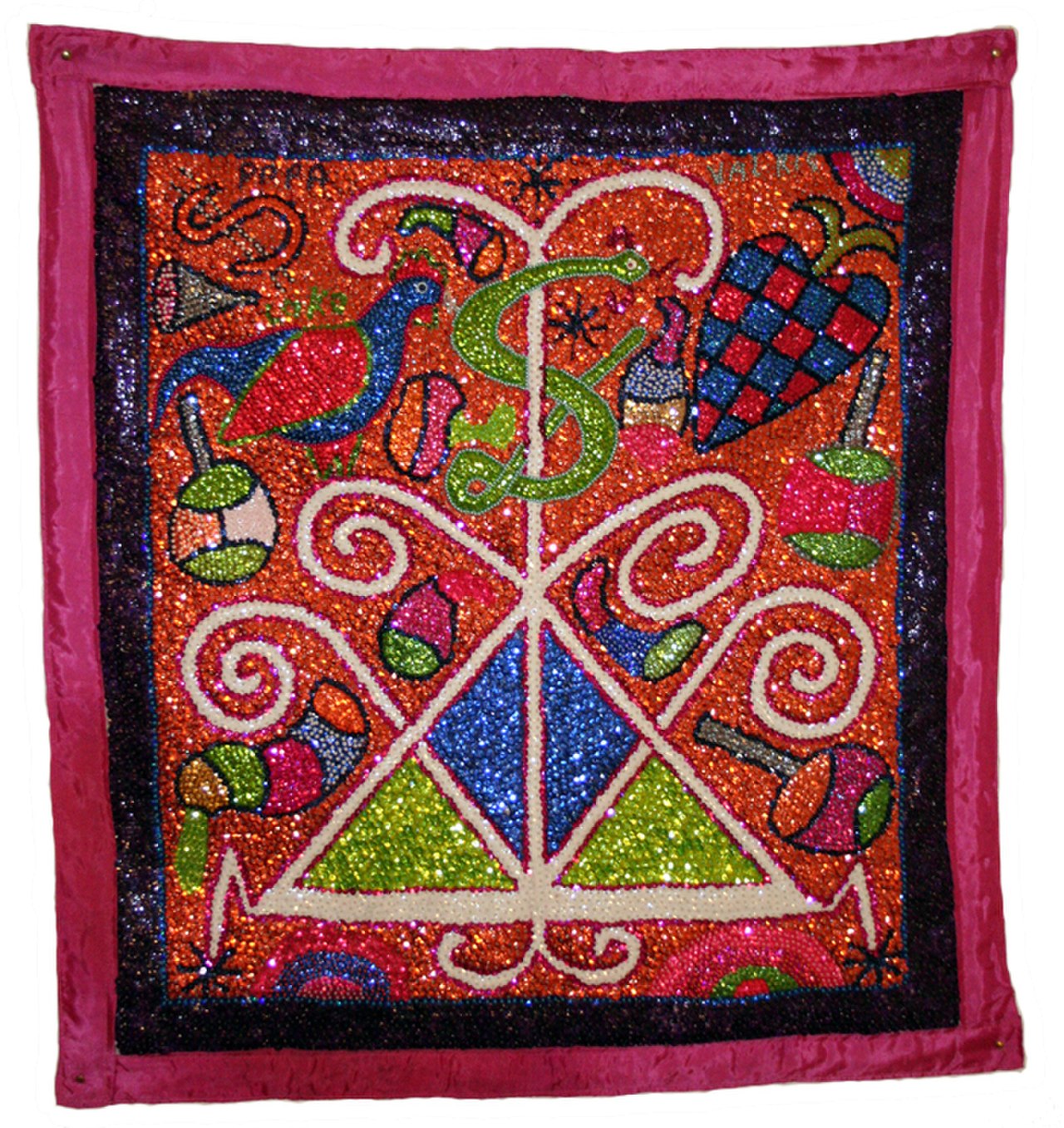
Haitian Vodou
The Crucible of Creation
The genesis of Haitian Vodou is inextricably linked to the brutal realities of French colonialism and the transatlantic slave trade. Enslaved Africans, primarily from West African regions like the Kongo, Ewe, and Yoruba, were forcibly brought to Saint-Domingue (modern-day Haiti), carrying with them diverse spiritual traditions, most notably Vodun. The colonial administration and Catholic Church actively suppressed these African practices, compelling enslaved people to adopt Catholicism.
However, rather than abandoning their ancestral faiths, they engaged in a profound act of syncretism. They mapped their deities and spiritual concepts onto the Catholic pantheon, a strategy that allowed for the covert continuation of their traditions while outwardly adhering to the colonizer's religion. This created a unique spiritual matrix where figures like the Virgin Mary might be associated with Ezili Dantor, or Jesus with Ogou.
This process was not merely mimicry but a dynamic reinterpretation and preservation of cultural identity under extreme duress, laying the groundwork for a distinct Haitian spiritual identity that would fuel resistance and revolution.
The Lwa
The spiritual architecture of Haitian Vodou is organized around the Lwa, a complex hierarchy of spirits who mediate between the transcendent creator deity, Bondye, and the human realm. Bondye, often conceived as distant and inaccessible, is the ultimate source of power, but it is the Lwa who are actively invoked and served. The Lwa are categorized into various 'nations' (e.g., Rada, Petro), reflecting their diverse African origins and temperaments.
Rada Lwa are generally considered older, gentler, and associated with Africa, while Petro Lwa are often seen as more fiery, powerful, and linked to the struggles and resistance experienced in the Americas. Each Lwa possesses a distinct personality, iconography, preferred offerings (food, drink, colors, songs), and a specific domain of influence, ranging from love and justice to healing and protection. Their presence is most powerfully felt during ceremonies, where they may possess devotees, speaking and acting through them, offering guidance, performing healing, or engaging in divination.
This direct interaction is central to the lived experience of Vodou practitioners.
Ritual, Initiation, and Community Cohesion
Vodou is fundamentally a communal and ritualistic practice, deeply embedded in the social fabric of Haiti. Ceremonies, known as 'veve' (for the symbolic drawings on the ground) or 'sevis' (services), are elaborate affairs often held in a dedicated space called a 'hounfor.' These events are characterized by intense, rhythmic drumming, call-and-response chanting, and choreographed dancing, all designed to build spiritual energy and invite the Lwa. The 'Kanzo' is a crucial set of initiation rites that induct individuals into the priesthood, signifying a profound commitment and deepening their spiritual authority and connection to the Lwa.
Through these rituals, Vodou fosters strong community bonds, provides a framework for collective healing and problem-solving, and serves as a vital mechanism for transmitting cultural knowledge, history, and ethical values across generations. The role of the Houngan (male priest) and Mambo (female priestess) is central, guiding these complex ceremonies and acting as spiritual leaders and counselors.
Vodou's Sociopolitical Impact and Cultural Representation
The influence of Haitian Vodou extends far beyond the spiritual realm, playing a pivotal role in the nation's sociopolitical landscape. It served as a unifying force and a source of spiritual and psychological fortitude during the Haitian Revolution (1791-1804), the only successful slave revolt in history that led to the establishment of an independent nation. Despite its historical significance and its role in shaping Haitian identity, Vodou has been persistently marginalized and vilified, both within Haiti by elites and internationally, often through sensationalized and inaccurate portrayals in Western media.
This negative stereotyping, fueled by colonialist biases and a lack of understanding, frequently reduces Vodou to simplistic notions of 'witchcraft' and 'curses,' ignoring its sophisticated theology, ethical principles, and its function as a system of healing, justice, and social support. Understanding Vodou accurately is crucial to appreciating the resilience and complexity of Haitian culture and history.
Go deeper
Frequently Asked Questions
What is Haitian Vodou?+
Why do Haitian Vodou ceremonies have drums and dancing?+
How do people honor the spirits called Lwa?+
What is a "veve" in Haitian Vodou?+
Why is the Kanzo ceremony important?+
Based on content from Wikipedia · Licensed under CC BY-SA 4.0