

Grenada: The Island of Spice!
Images
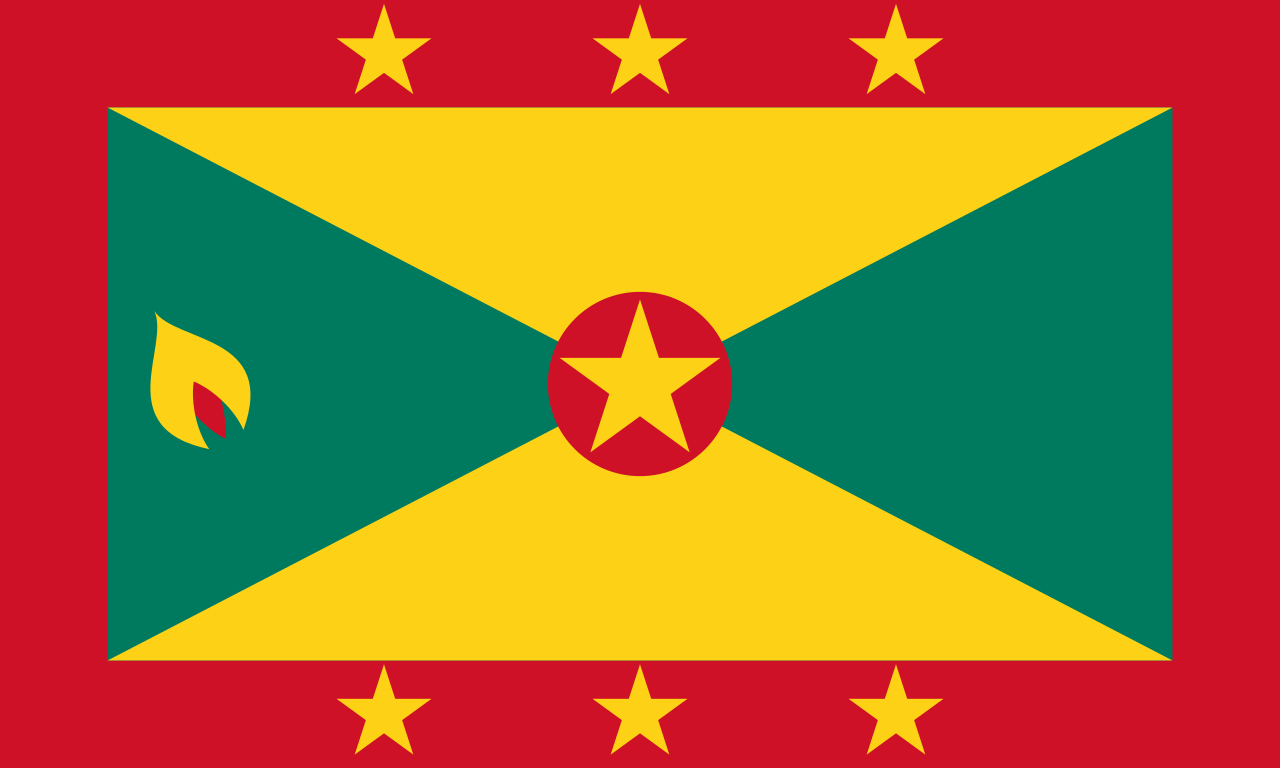
Grenada
Geographical Context and Ecological Richness
Grenada, a sovereign island state, occupies a significant position in the southeastern Caribbean Sea, marking the southern end of the Windward Islands chain. Its geographical placement, approximately 100 miles (160 km) north of Trinidad and the South American mainland, offers strategic maritime access and influences its climate and biodiversity. The nation comprises the main island of Grenada, alongside the smaller islands of Carriacou and Petite Martinique, and several smaller islets, collectively spanning 344 square kilometers (133 sq mi).
The topography is characterized by a volcanic interior featuring rugged mountains, dense tropical rainforests, and numerous rivers that form spectacular waterfalls. This lush environment supports a rich ecosystem and provides the foundation for its agricultural output. The climate is tropical, marked by distinct wet and dry seasons, with average temperatures consistently warm, fostering a vibrant natural landscape that is both a resource and an attraction.
A Tapestry of Historical Transitions
The historical narrative of Grenada is a complex interplay of indigenous presence, European colonization, and the enduring legacy of the transatlantic slave trade. Initially inhabited by indigenous peoples, the island was sighted by Christopher Columbus in 1498. European attempts at settlement, particularly by the French starting in 1649, were met with resistance from the indigenous Carib population.
The island's colonial history is deeply intertwined with the exploitation of labor; between 1669 and 1808, a substantial number of enslaved Africans, estimated at 127,600, were forcibly brought to Grenada by French and British powers. Grenada was formally ceded to the British in 1763 under the Treaty of Paris, though it experienced a brief French recapture from 1779 to 1783. British rule persisted until 1974, punctuated by periods of evolving autonomy, including its status as an Associated State with full internal self-governance from 1967.
The nation finally achieved full independence on February 7, 1974, marking a pivotal moment in its quest for self-determination.
The 'Island of Spice'
Grenada's economy is intrinsically linked to its agricultural bounty, earning it the esteemed title 'Island of Spice.' It is a globally significant producer of nutmeg and mace, with these spices forming the backbone of its export market. The unique microclimate and fertile volcanic soil are ideal for cultivating these aromatic crops, as well as others such as cocoa, cinnamon, cloves, and ginger. Beyond agriculture, tourism plays a crucial role, capitalizing on Grenada's stunning natural beauty, pristine beaches, and vibrant marine life.
The government actively promotes eco-tourism and cultural tourism to diversify revenue streams. The nation's economic strategy focuses on sustainable development, leveraging its natural resources while seeking to mitigate vulnerabilities associated with small island economies, such as susceptibility to natural disasters and global economic fluctuations.
Governance, Political Evolution, and International Relations
Grenada operates as a parliamentary representative democracy under a constitutional monarchy. The Head of State is King Charles III, represented locally by a Governor-General. The political landscape has been shaped by significant events, including the 1979 People's Revolutionary Government coup and the subsequent U.S.-led invasion in 1983.
These episodes underscore the island's complex geopolitical positioning within the Caribbean. Since the restoration of democratic governance, Grenada has prioritized political stability and regional cooperation. It is an active member of the Commonwealth of Nations, CARICOM (Caribbean Community), and the Organization of American States (OAS), engaging in international diplomacy and contributing to regional development initiatives.
The capital, St. George's, serves as the administrative and political hub.
Cultural Identity, Social Fabric, and Educational Framework
Grenadian culture is a rich amalgamation of African, European, and indigenous influences, reflected in its music, dance, cuisine, and festivals. The official language is English, facilitating international engagement, though Grenadian Creole English is also widely spoken. The society places a strong emphasis on community and family ties.
Education is a cornerstone of national development, with a commitment to providing accessible and quality learning opportunities from primary to tertiary levels. The literacy rate is commendably high, indicating successful educational policies. Grenada's educational institutions aim to equip citizens with the skills needed for both local economic participation and global competitiveness.
The island's heritage is celebrated through vibrant cultural expressions, contributing to its unique identity and appeal as a destination that offers more than just scenic beauty.
Go deeper
Frequently Asked Questions
Where is Grenada located?+
Why is Grenada called the Island of Spice?+
What kind of climate does Grenada have?+
How many islands make up Grenada?+
Who is the head of state of Grenada?+
Based on content from Wikipedia · Licensed under CC BY-SA 4.0