

German Literature: Stories from a Land of Thinkers!
Images
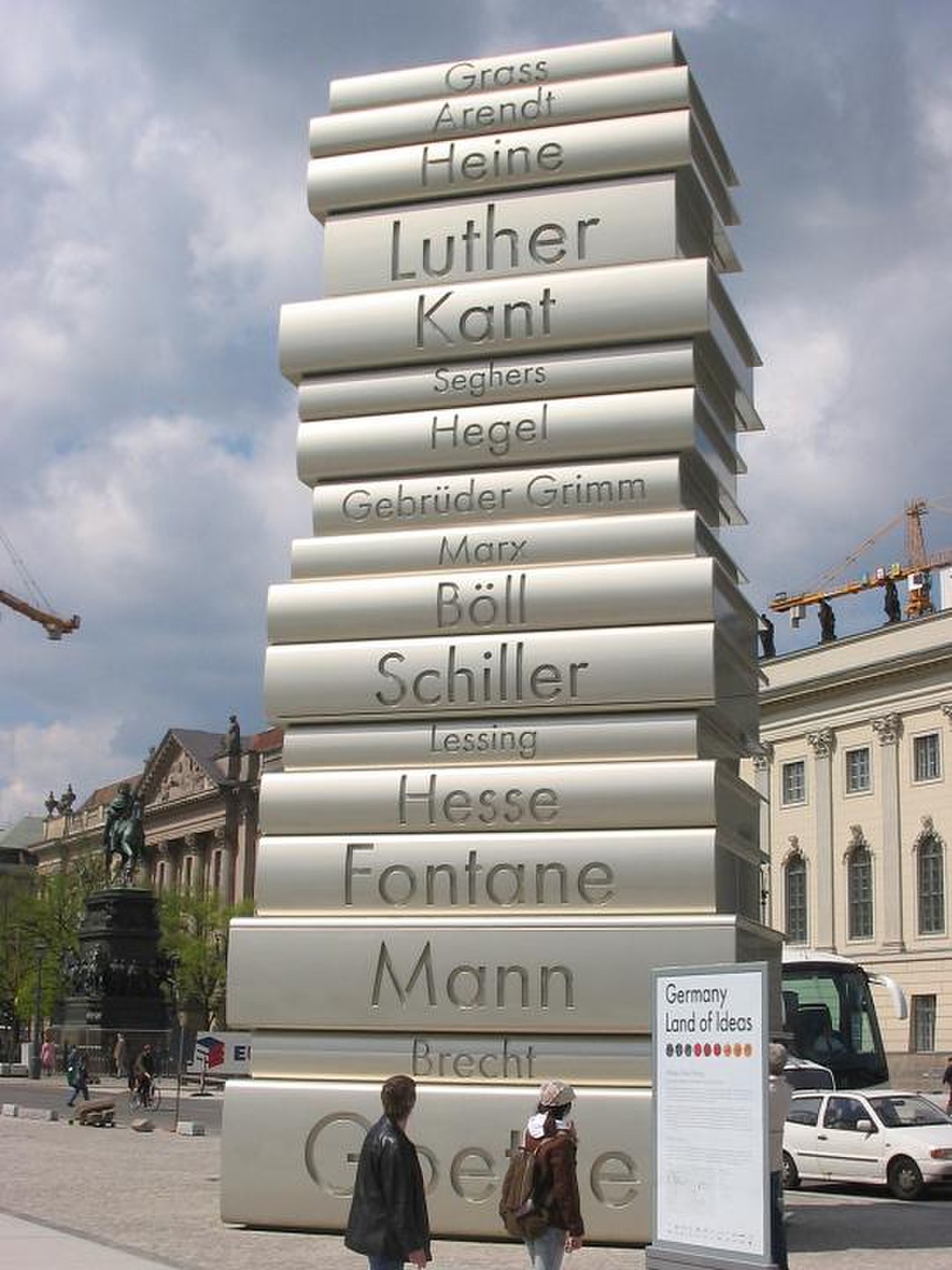
German literature
Foundational Epics and the Genesis of a Literary Tradition
The origins of German literature are deeply embedded in the oral traditions of the Germanic tribes, eventually coalescing into written forms during the early medieval period. Works like the 'Hildebrandslied' (c. 830 AD) and the 'Nibelungenlied' (c. 1200 AD) represent monumental achievements, offering insights into the heroic ethos, societal structures, and linguistic development of Old High German. The 'Hildebrandslied', a poignant tale of a father and son unknowingly facing each other in battle, explores themes of loyalty, fate, and the tragic consequences of societal duty.
The 'Nibelungenlied', an epic of revenge and treasure, showcases a complex narrative tapestry woven with myth, history, and chivalric ideals. These foundational texts are not merely historical artifacts; they are sophisticated literary creations that established narrative conventions and thematic preoccupations that would resonate throughout subsequent German literary history, influencing later genres and authors by providing a rich cultural and linguistic bedrock.
Revolutionizing Expression
The late 18th century witnessed a dramatic shift in German literary sensibilities. The 'Sturm und Drang' (Storm and Stress) movement, a precursor to Romanticism, championed intense emotion, individualism, and rebellion against societal norms. Young Goethe, with his play 'The Sorrows of Young Werther', became a sensation, embodying the movement's spirit of passionate subjectivity.
This was followed by the more measured, yet equally profound, era of Weimar Classicism, spearheaded by Goethe and Schiller. They sought to synthesize Enlightenment ideals with classical aesthetics, focusing on harmony, humanism, and the cultivation of character. Goethe's 'Faust', a monumental dramatic poem, grapples with the eternal human quest for knowledge, meaning, and redemption, becoming a cornerstone of world literature.
This period was pivotal, as it moved German literature from regional significance to a position of international intellectual and artistic leadership, profoundly influencing philosophical discourse and artistic expression across Europe.
The Brothers Grimm
The Brothers Grimm, Jacob and Wilhelm, were not merely collectors of fairy tales; they were pioneering scholars who recognized the profound cultural and linguistic significance of oral traditions. Their 'Children's and Household Tales' (Kinder- und Hausmärchen), first published in 1812, was a deliberate effort to preserve a vital part of German heritage during a time of political upheaval and burgeoning national consciousness. By meticulously gathering and editing these stories, they transformed ephemeral folklore into enduring literary works.
The tales, while often perceived as simple children's stories, frequently contained complex moral lessons, social commentary, and psychological depth, reflecting the anxieties and aspirations of the common people. Their work not only saved countless narratives from oblivion but also played a crucial role in shaping a unified German cultural identity and introduced a global audience to the rich tapestry of European folk imagination.
Modern Relevance and Enduring Influence
German literature's impact extends far beyond its historical context, continuing to shape contemporary thought and artistic expression. The philosophical underpinnings found in works by authors like Nietzsche, Kafka, and Thomas Mann have profoundly influenced existentialism, modernism, and post-modernism. Kafka's allegorical tales of alienation and bureaucracy, for instance, remain chillingly relevant in our complex world.
Mann's exploration of art, society, and the human condition in novels like 'The Magic Mountain' continues to provoke critical analysis. Furthermore, German literary traditions have consistently engaged with pressing social and political issues, from the critique of totalitarianism in the 20th century to contemporary explorations of identity, migration, and globalization. The intellectual rigor, thematic depth, and stylistic innovation characteristic of German literature ensure its ongoing relevance, providing essential perspectives for understanding the human experience and the challenges of our time.
Key Movements and Their Lasting Impact
German literature is characterized by a series of influential movements that have left indelible marks on global culture. Romanticism, with its emphasis on emotion, nature, and the supernatural, produced poets like Novalis and E.T.A. Hoffmann, whose works explored the subconscious and the irrational. Realism and Naturalism in the late 19th century, exemplified by authors like Theodor Fontane, focused on depicting everyday life and social issues with accuracy.
The early 20th century saw the rise of Expressionism, a radical movement that sought to convey subjective experience and inner turmoil through distorted forms and intense language, with writers like Georg Trakl and Franz Werfel. These diverse movements, from the introspective depth of Romanticism to the stark social critiques of Naturalism and the visceral intensity of Expressionism, demonstrate the dynamic evolution of German literary thought, consistently pushing boundaries and offering profound reflections on the human condition.
See also
Frequently Asked Questions
What are the oldest German stories called?+
Why did the Brothers Grimm collect fairy tales?+
How did the Sturm und Drang movement change German literature?+
Where does the epic "Nibelungenlied" fit in German literature?+
When did Goethe write "Faust" and why is it important?+
Based on content from Wikipedia · Licensed under CC BY-SA 4.0