

Peninsula: Land Surrounded by Fun!
Images
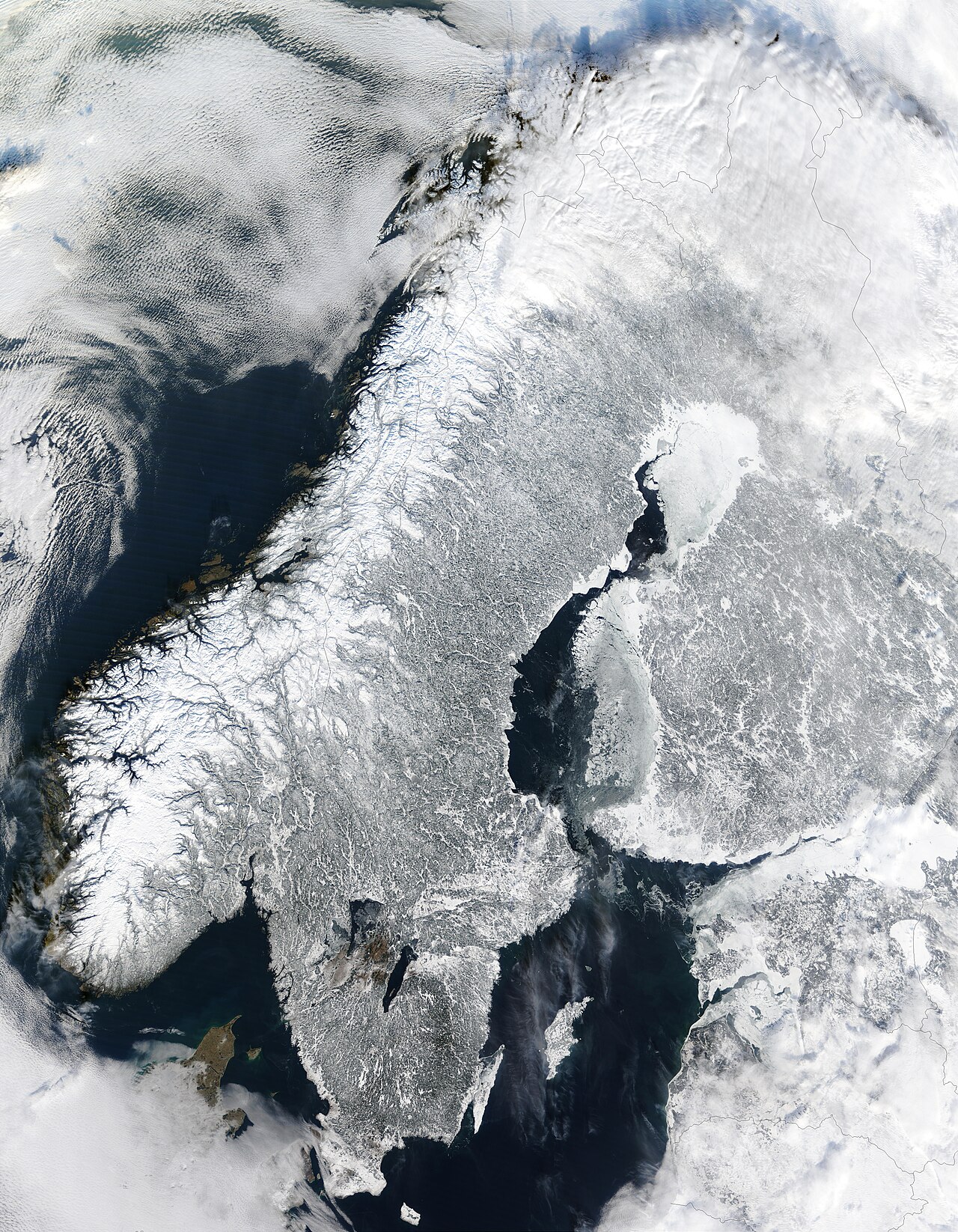
Peninsula
Geomorphology and Climatic Niches of Peninsulas
Peninsulas represent a fascinating intersection of terrestrial and aquatic environments, formed through various geological processes such as tectonic uplift, volcanic activity, or the deposition of sediments creating isthmuses. Their defining characteristic-being largely surrounded by water-imparts distinct climatic patterns. Coastal proximity often leads to a maritime climate, moderating extreme temperatures and increasing humidity compared to continental interiors.
This can result in unique microclimates supporting specialized flora and fauna, contributing to higher biodiversity. For instance, peninsulas can act as land bridges or barriers for migratory species. The shape and orientation of a peninsula also influence wind patterns and ocean currents, further shaping local weather and marine ecosystems.
The erosion and deposition processes driven by wave action and tides continuously sculpt the coastlines, creating dynamic landscapes of cliffs, beaches, and estuaries. Understanding these geomorphological and climatic factors is crucial for appreciating the ecological and human significance of peninsular regions.
Historical Trajectories and Strategic Importance
Throughout human history, peninsulas have served as pivotal arenas for the development of civilizations, trade, and conflict. Their natural defensibility, with water providing a significant barrier, made them attractive for early settlements and fortifications. Many ancient empires and kingdoms rose to prominence on peninsulas, leveraging their strategic locations for maritime trade and military projection.
The Italian Peninsula, for example, was the heartland of the Roman Empire, its geography facilitating control over the Mediterranean. The Iberian Peninsula became a launching point for global exploration during the Age of Discovery. Conversely, peninsulas have also been sites of intense geopolitical competition and conflict, as demonstrated by the Korean Peninsula's complex history.
The development of naval technology and trade routes has consistently amplified the strategic and economic importance of peninsular regions, making them crucial nodes in global networks.
Cultural Tapestry and Societal Development
The distinct geographical setting of peninsulas often cultivates unique cultural identities and societal structures. The intimate relationship with the sea fosters traditions centered around maritime activities, influencing cuisine, art, music, and social customs. This can lead to a strong sense of regional identity, sometimes distinct from the mainland.
The relative isolation afforded by their geography can also contribute to the preservation of linguistic diversity and unique cultural practices, as seen in regions like Brittany in France or Cornwall in the United Kingdom. Furthermore, peninsulas have historically been melting pots of cultures due to their accessibility via sea routes, facilitating the exchange of ideas, technologies, and peoples. The development of distinct governance systems and social hierarchies has often been shaped by the challenges and opportunities presented by living on the edge of continents.
Economic Engines
Peninsulas are frequently vital economic engines, their geography offering distinct advantages for commerce and resource utilization. Extensive coastlines provide numerous natural harbors, essential for the development of major port cities that serve as critical hubs for international trade. This facilitates the efficient movement of goods, raw materials, and manufactured products, underpinning global supply chains.
Many peninsulas are rich in natural resources, such as offshore oil and gas reserves (e.g., the Arabian Peninsula), valuable mineral deposits, or fertile agricultural lands. Tourism is another significant economic sector, driven by the appeal of coastal landscapes, beaches, and historical sites. The development of infrastructure, such as bridges and tunnels connecting peninsulas to the mainland, further enhances their economic connectivity and potential for growth, making them indispensable components of the global economy.
Governance and Education in Peninsular Contexts
The governance of peninsulas can be complex, often involving regional autonomy or specific administrative structures due to their unique geographical position and distinct cultural identities. Governments may focus on managing coastal resources, maritime law, and international trade agreements. Educational systems on peninsulas often reflect their maritime heritage and economic specializations.
Universities and research institutions may focus on marine biology, oceanography, naval architecture, or international trade. Specialized vocational training might be geared towards fishing, shipbuilding, or tourism management. The challenges of providing equitable education across diverse peninsular landscapes, from densely populated coastal cities to more remote areas, are a constant consideration for educational policymakers.
Access to higher education and research facilities can be crucial for fostering innovation and economic development within these distinct geographical regions.
Go deeper
Frequently Asked Questions
What is a peninsula?+
Why do peninsulas have special climates?+
How do peninsulas help animals and plants?+
Where have peninsulas been important for people?+
Are peninsulas unique in culture?+
Based on content from Wikipedia · Licensed under CC BY-SA 4.0